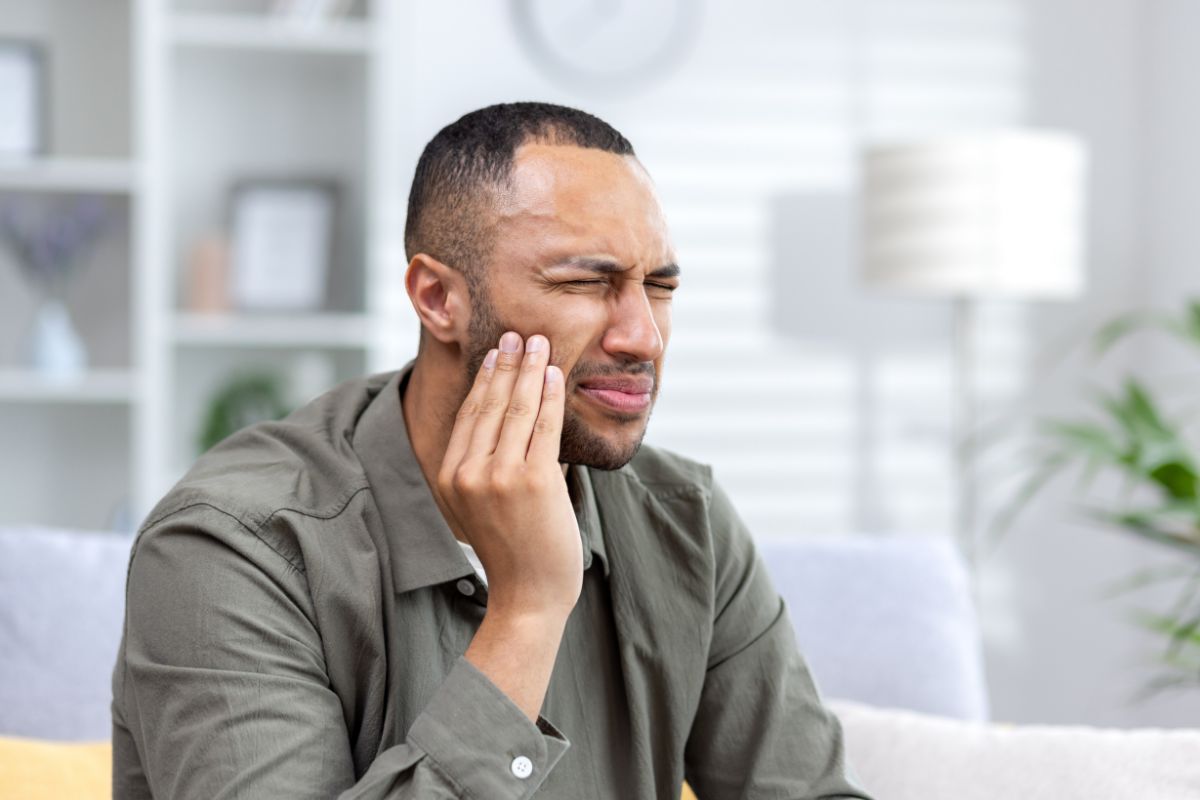
Most people are unfamiliar with the bone grafting procedure. They may have only heard about it as something that’s sometimes required before receiving dental implants. Since it’s not a routine treatment for many, it’s natural to have questions—and even fears—about it. One of the most common concerns is: “Is bone grafting painful?”
If you’re considering bone grafting, it’s important to know that this is a common and well-practiced procedure. Whether you’re visiting a general dentist or a periodontist, the goal of bone grafting is to restore lost bone tissue and support your long-term oral health, especially when preparing for dental implants.
Does Bone Grafting Hurt?
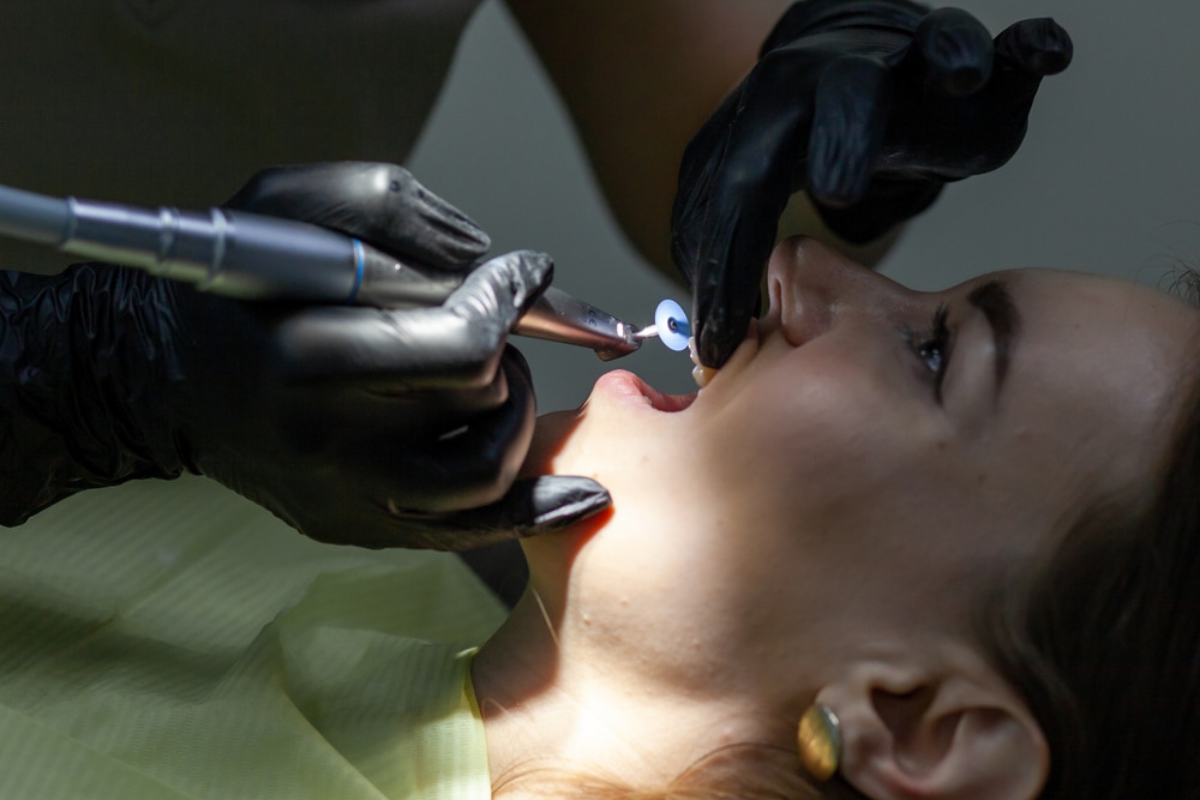
Bone grafting might sound intimidating, but thanks to modern techniques and anesthesia, the procedure itself is generally painless. Most patients are placed under local anesthesia or sedation, meaning you won’t feel any pain while the surgery is being performed. Some people even sleep through the entire process.
After the anesthesia wears off, it’s common to experience minor side effects such as swelling, bruising, and mild discomfort at the surgical site. These symptoms are usually temporary. Your periodontist may prescribe antibiotics to prevent infection and pain medication to help manage any post-operative discomfort.
So, to answer the frequently searched question: “Are dental bone grafts painful?”—not during the procedure itself. Any discomfort that may occur afterward can typically be managed with proper care and medication.
What Is the Bone Grafting Procedure?
Bone grafting involves placing bone material—either synthetic or from a donor—into an area where bone has deteriorated. The goal is to encourage new bone growth and establish a stable foundation for future procedures, such as implant placement.
For example, our periodontist in Colorado Springs may recommend bone grafting if you’ve lost teeth due to trauma, gum disease, or decay, and your jawbone has resorbed as a result. This process helps rebuild the structure necessary for successful implant placement or to preserve your facial profile.
Why Is a Bone Graft Recommended?
A bone graft is often recommended when your natural bone isn’t strong or thick enough to support a dental implant. Here are some common situations where a bone graft may be necessary:
- Tooth loss that has led to jawbone deterioration
- Gum disease that has affected the bone structure
- Injury or trauma to the face or mouth
- Developmental conditions that limit bone growth
- Preparation for a dental implant or bridge
When you receive bone grafting, you’re not just undergoing a routine procedure—you’re taking a crucial step toward restoring your oral health and preventing further complications.
How Much Pain Can Be Expected After a Bone Graft?
Patients often ask, “How much pain is there after bone grafting?” While everyone has a different pain threshold, the discomfort is usually mild to moderate and can be controlled with medication. Most patients compare it to the feeling after a tooth extraction or minor oral surgery. Following your periodontist’s post-operative instructions can significantly reduce the risk of complications and help you heal faster.
What Is the Recovery Time from Bone Grafting?
Recovery from bone grafting varies depending on factors such as the patient’s age, overall health, and the complexity of the procedure. On average, recovery can take anywhere from four to twelve months. However, the bone integration process—or “fusion”—often starts within the first two to three months.
During this time, your body works to integrate the graft material with your existing bone, creating a stable and strong foundation. Our periodontist in Colorado Springs schedules follow-up visits to monitor healing and make adjustments as needed.
Tips for a Smooth Recovery
Following a bone graft, here are a few key tips to support healing and reduce discomfort:
- Limit physical activity for the first few days to avoid disturbing the surgical site
- Eat soft foods like scrambled eggs, yogurt, soups, and smoothies
- Finish the full course of prescribed antibiotics to prevent infection
- Avoid chewing near the graft site for at least a few days
- Use cold compresses to reduce swelling and pain
- Sleep with your head elevated to improve blood flow and reduce pressure
- Take painkillers only as prescribed, and check with your dentist before taking over-the-counter options
These steps can help ensure your recovery from bone grafting is smooth and complication-free.
Final Thoughts: What to Expect and When to Seek Help
While some discomfort is expected after a dental bone graft, persistent or severe pain is not. If you experience intense pain, fever, or signs of infection, reach out to your periodontist right away. Delaying treatment can lead to more serious complications and affect the outcome of the graft.
Bone grafting is a safe and routine procedure performed by experienced specialists like our team at Mountain Top Periodontics & Implants. We understand that undergoing oral surgery can be overwhelming, but we’re here to guide you every step of the way with compassion and expert care.
So, if you’re wondering whether a bone grafting procedure is right for you or if you need to prepare for dental implants, schedule an appointment with our periodontist in Colorado Springs. It’s one of the best steps you can take for long-term dental health and stability.