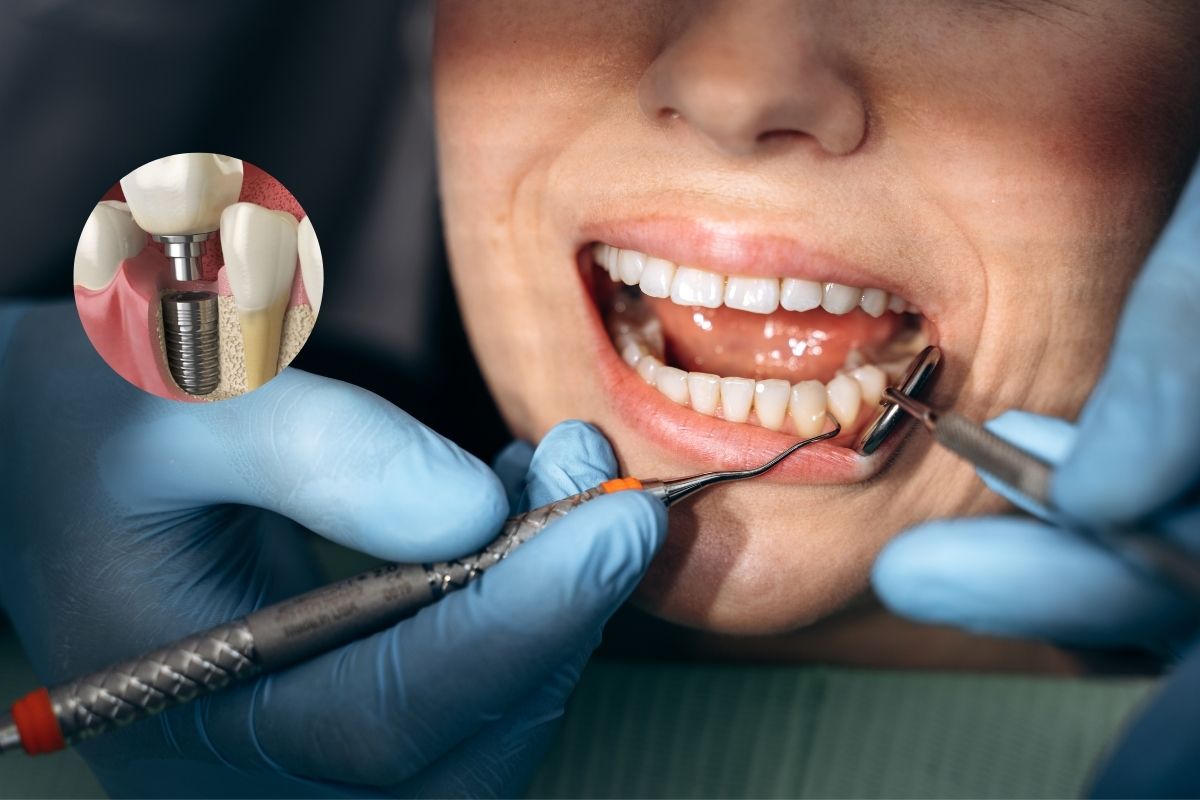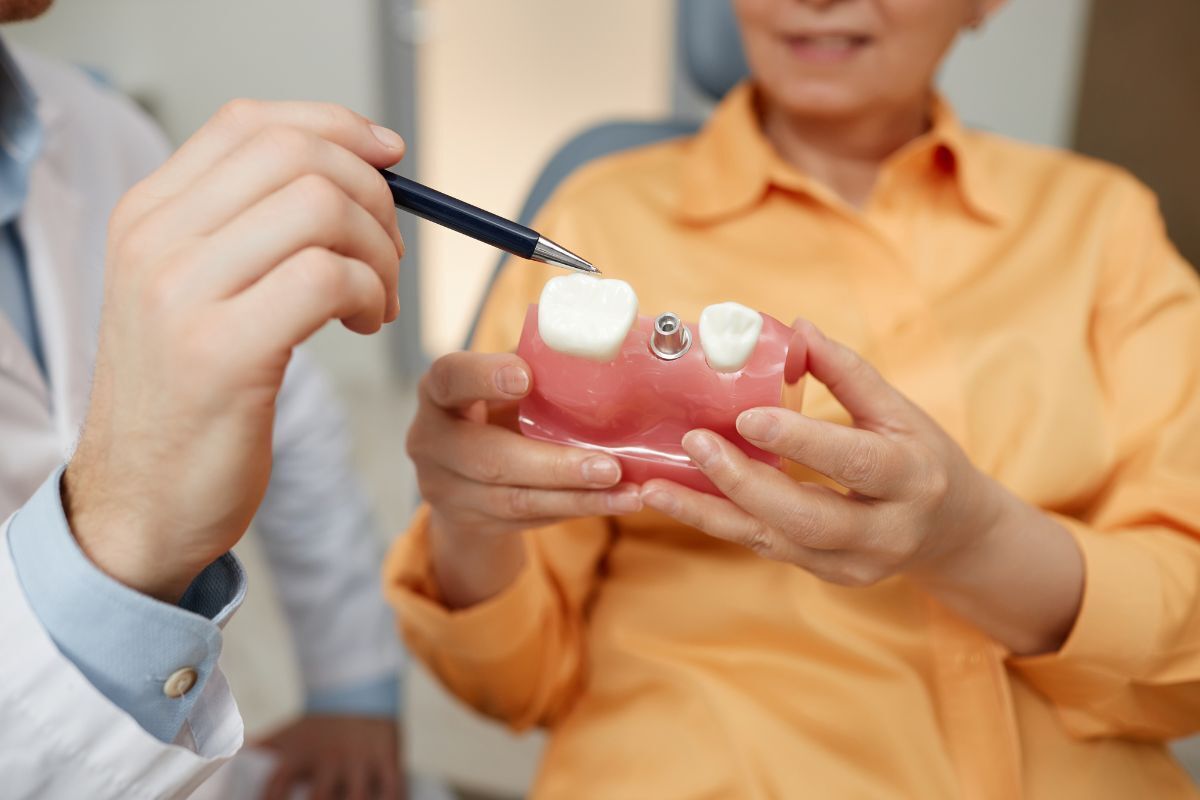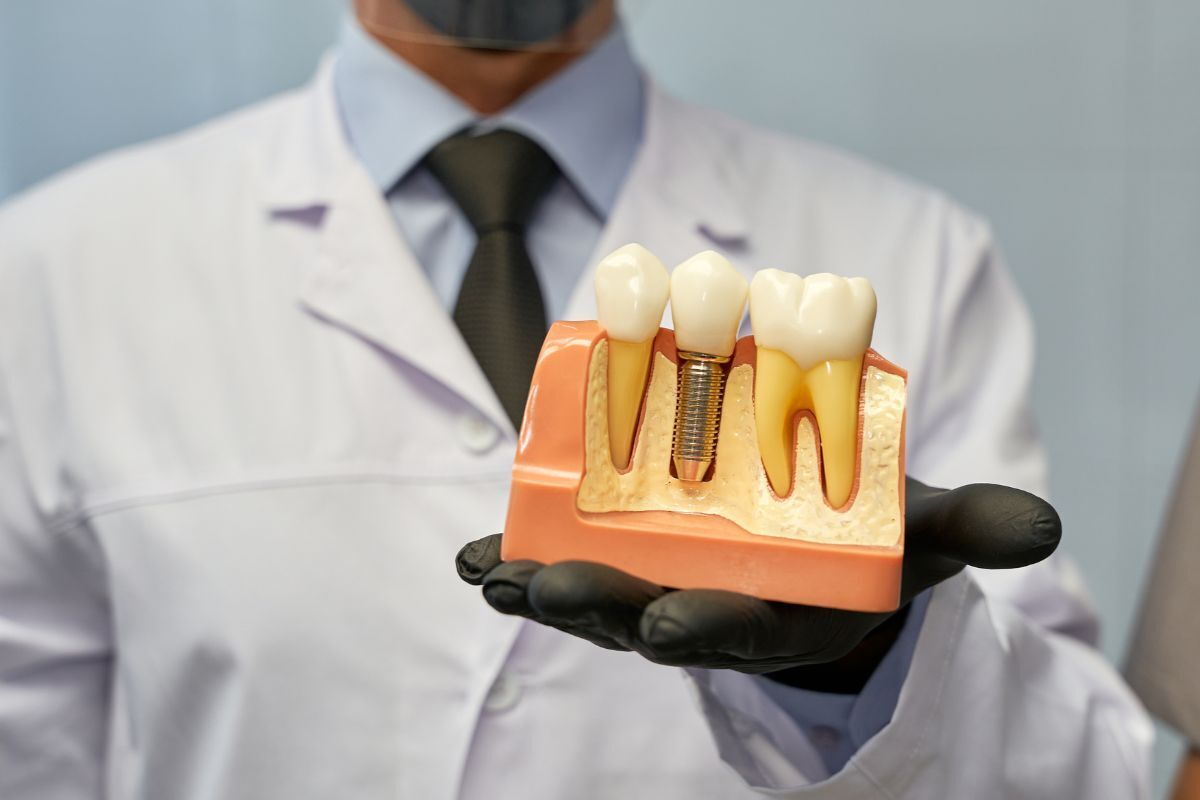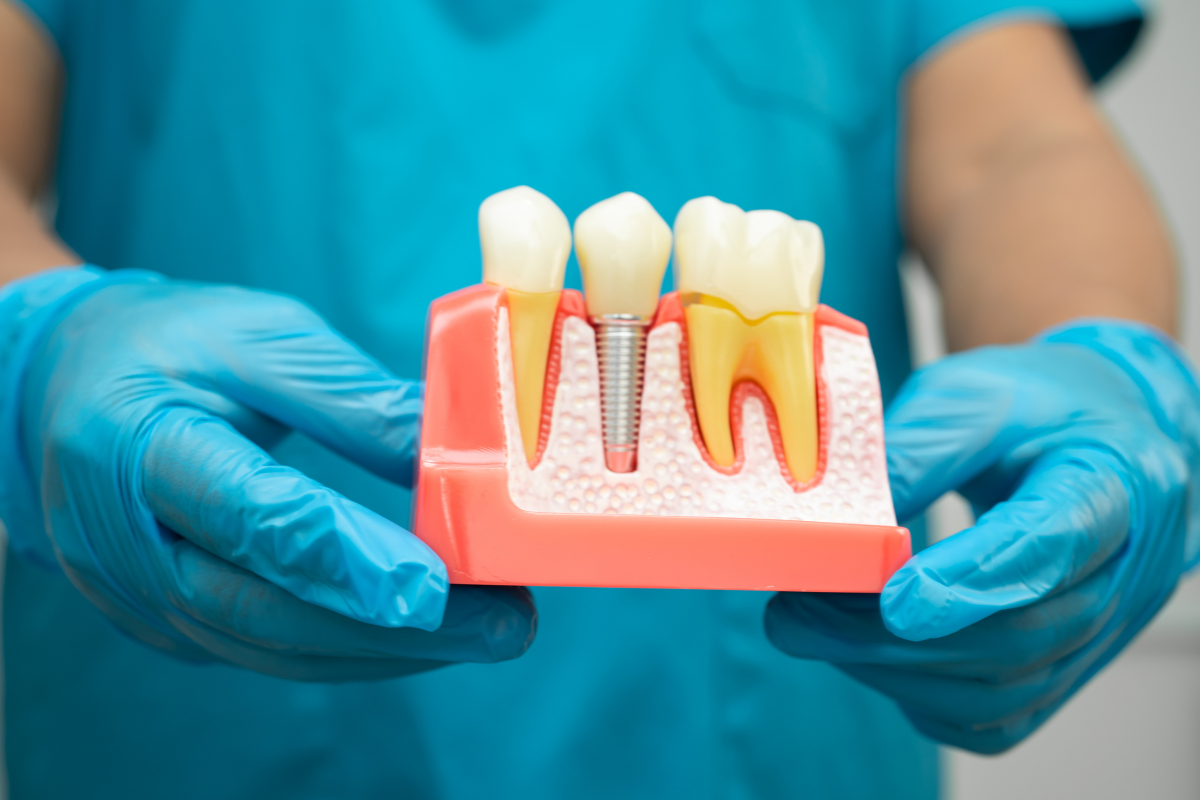
Adjusting to life after dental implants can come with a few surprises—one of which is the unexpected development of a lisp. While dental implants restore your smile and improve your oral health, some patients notice subtle changes in speech during the healing phase. A lisp may occur when the tongue hits the teeth or implants differently than before, causing certain sounds to sound slurred or distorted.
But don’t worry—this issue is often temporary and manageable. With the right approach, most patients can regain normal speech and confidence. If you’re wondering how to get rid of a lisp after dental implants, this blog offers clear, helpful tips straight from the team at Mountain Top Periodontics & Implants, a trusted provider of dental implants in Colorado Springs.
Why Do Some People Lisp After Dental Implants?
A lisp isn’t uncommon after receiving dental implants, especially if the front teeth are involved. Here’s why it happens:
- Tongue Position Change: Your tongue may need time to adapt to the new surface of the implants.
- Swelling and Healing: Post-surgical swelling and temporary numbness can alter your articulation.
- Prosthetic Design: In some cases, the shape or position of the crown may interfere with airflow or tongue movement.
- Muscle Memory: Your mouth has been used to a particular configuration, and now it’s adjusting to something new.
Luckily, as your muscles and brain adapt, speech typically improves.
Simple Techniques to Improve Your Speech
Many patients regain normal speech without intervention. However, if the lisp persists, try these proven techniques:
1. Practice with Tongue Placement
Spend a few minutes each day focusing on how your tongue interacts with your teeth and implants.
- Practice saying “S,” “Z,” “CH,” and “SH” sounds slowly.
- Use a mirror to observe tongue movement.
- Record your speech and compare your progress weekly.
2. Read Aloud Daily
Reading out loud helps your brain retrain your tongue and muscles to coordinate properly.
- Start with children’s books—they use clear, simple sounds.
- Gradually move to more complex passages.
- Repeat difficult words or sentences multiple times.
3. Use Speech Exercises
A few consistent exercises can make a big difference:
- Say “sss” sounds slowly and steadily for 1 minute.
- Alternate between words like “sip,” “zip,” “ship,” and “chip.”
- Try tongue twisters like “She sells sea shells” or “Silly Sally swiftly shooed seven silly sheep.”
4. Stay Hydrated and Rested
Dry mouth or fatigue can worsen speech issues. Make sure to:
- Drink plenty of water throughout the day.
- Avoid caffeine or alcohol, which may dehydrate you.
- Get at least 7–8 hours of sleep to keep your muscles sharp.
When to Involve a Professional
If your lisp continues after a few weeks or worsens, it may be time to get extra help.
1. Consult Your Implant Dentist
At Mountain Top Periodontics & Implants, our implant dentist in Colorado Springs examines:
- If the implant crown needs adjustment
- Whether the placement has affected speech mechanics
- Any bite alignment issues
Even small refinements can lead to noticeable improvements.
2. Consider Speech Therapy
If exercises alone aren’t enough, a speech therapist can work with you to:
- Identify specific speech barriers caused by your implants
- Customize vocal exercises
- Monitor your progress over time
Speech therapy isn’t just for children—many adults benefit from targeted support.
Preventing Future Speech Issues
If you haven’t received your implants yet but are concerned about speech changes, there are a few things you can do preemptively:
- Choose an experienced provider: Working with a skilled team ensures implant precision and minimizes speech-related complications.
- Discuss concerns early: Don’t hesitate to bring up worries about lisping before treatment begins.
- Follow post-op care closely: Healing properly plays a big role in speech recovery.
What to Expect Over Time
Most patients find that their speech improves significantly within 2–6 weeks after getting implants. However, individual recovery varies based on:
- Location of the implant(s)
- Personal healing rate
- Pre-existing speech habits
Patience is key. With consistent effort, the lisp often disappears completely, and you’ll be speaking clearly and confidently again.
Frequently Asked Questions
Is it normal to have a lisp after dental implants?
Yes, it’s quite common, especially if the front teeth were involved. A lisp often occurs as your tongue adjusts to the new implant structure. This is usually temporary.
What speech exercises help after dental implants?
Reading aloud, repeating “S” and “CH” sounds, practicing tongue twisters, and using a mirror to track tongue placement are all helpful exercises.
When should I consider speech therapy after implants?
If the lisp or other speech issues continue for more than a few weeks, a speech therapist can help retrain your tongue and improve articulation.
Can dental implants improve speech and eating?
Yes, once healing is complete, properly placed implants can significantly enhance speech clarity and chewing function compared to missing or damaged teeth.
How long does it take for a lisp to go away after dental implants?
Most lisps improve within 2–6 weeks as your tongue and mouth adapt to the implants. However, the timeline can vary based on implant placement and individual healing.
Can the position of the dental implant affect my speech?
Yes, if the implant or crown is slightly misaligned, it can interfere with tongue movement or airflow. Your implant dentist can adjust the prosthetic if needed.
Is a lisp after All-on-X implants more common?
All-on-X implants may temporarily affect speech, especially if they replace multiple front teeth. Most patients adapt with time and practice.
Can my implant dentist help fix my lisp?
Absolutely. Your dentist can check if adjustments to the crown shape or placement are needed and may refer you to a speech therapist if necessary.
Should I be concerned if my lisp gets worse weeks after implants?
Yes, if speech issues worsen instead of improving, it’s best to revisit your implant dentist to rule out any fit or healing complications.
Final Words
A lisp after dental implants can be frustrating, but it’s rarely permanent. With a mix of daily practice, smart strategies, and professional guidance when needed, your speech can return to normal—or even improve.
At our dental practice, we understand that implants are about more than just aesthetics—they’re about function, comfort, and confidence. If you’re looking for reliable dental implants in Colorado Springs, our team is here to guide you through every step of the journey, from placement to speech recovery.
Struggling with speech after dental implants? Let us help you find your voice again!