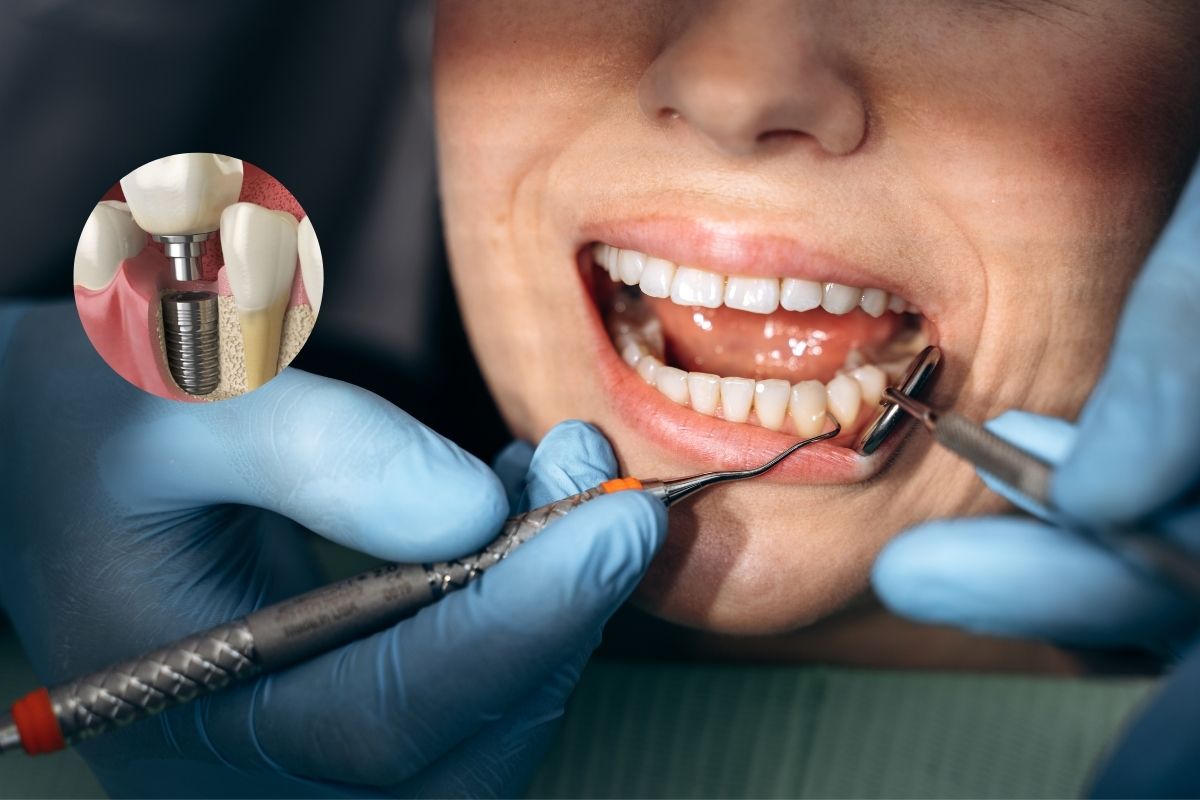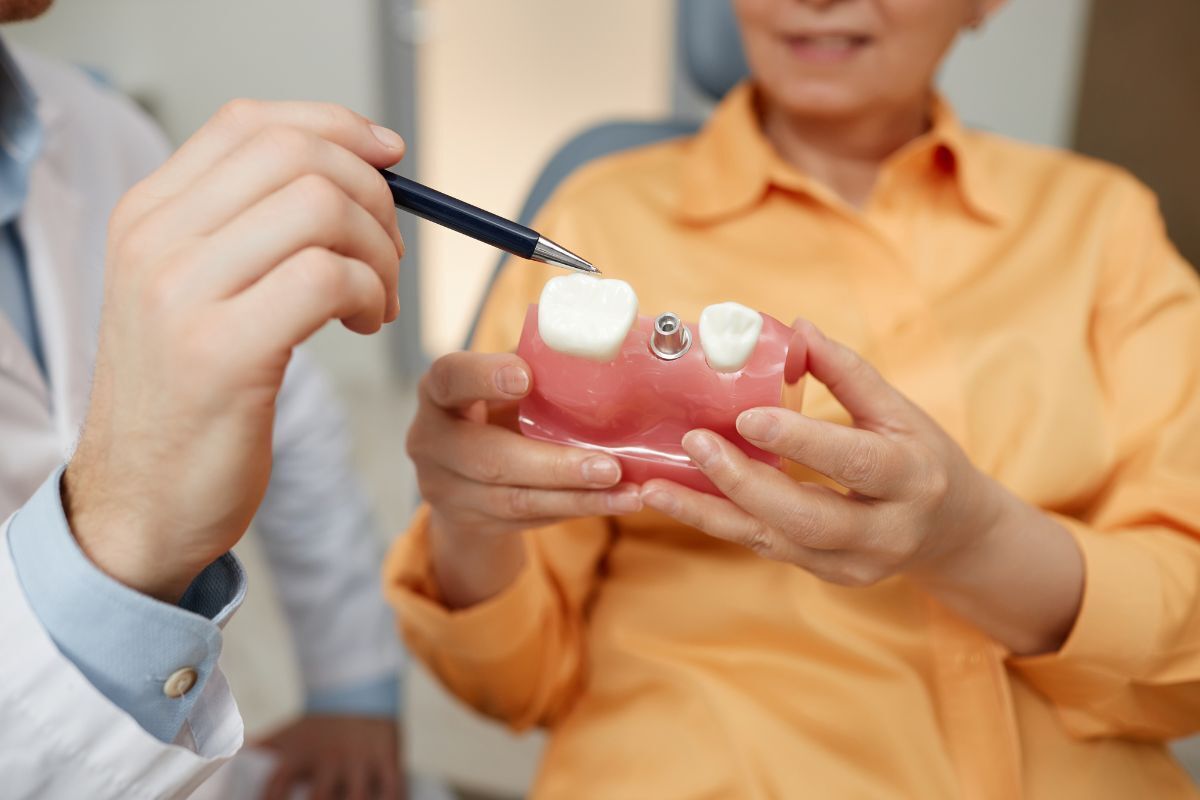
Getting dental implants is a big step toward restoring your smile, and the recovery phase is crucial for the success of the procedure. What you eat after surgery plays a major role in healing—both in avoiding discomfort and in preventing damage to the implant site. Choosing the right foods helps you recover faster, keeps you nourished, and reduces the risk of complications.
At Mountain Top Periodontics & Implants in Colorado Springs, we want to make sure you feel confident about your post-surgery diet, so here’s a complete guide on what to eat—and what to skip—after your dental implant surgery.
Why Your Diet Matters During Recovery
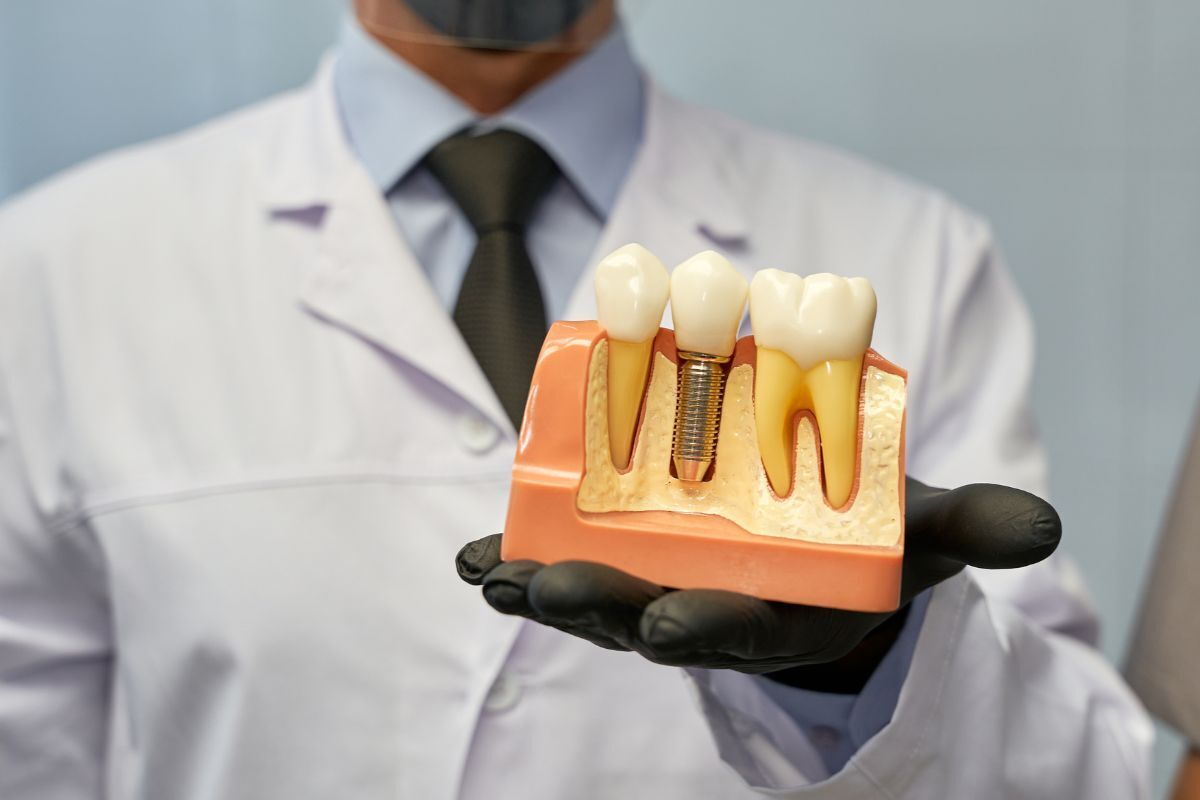
After dental implant surgery, your gums and jawbone need time to heal. The implant is integrating with your bone through a process called osseointegration, and chewing hard or sticky foods too soon can disturb this process. Soft, nutrient-rich foods support healing while keeping you comfortable and protecting your implant site.
Soft Foods That Are Perfect Right After Surgery
For the first few days, stick to foods that require little to no chewing. This will help avoid irritation and promote faster healing.
Great options include:
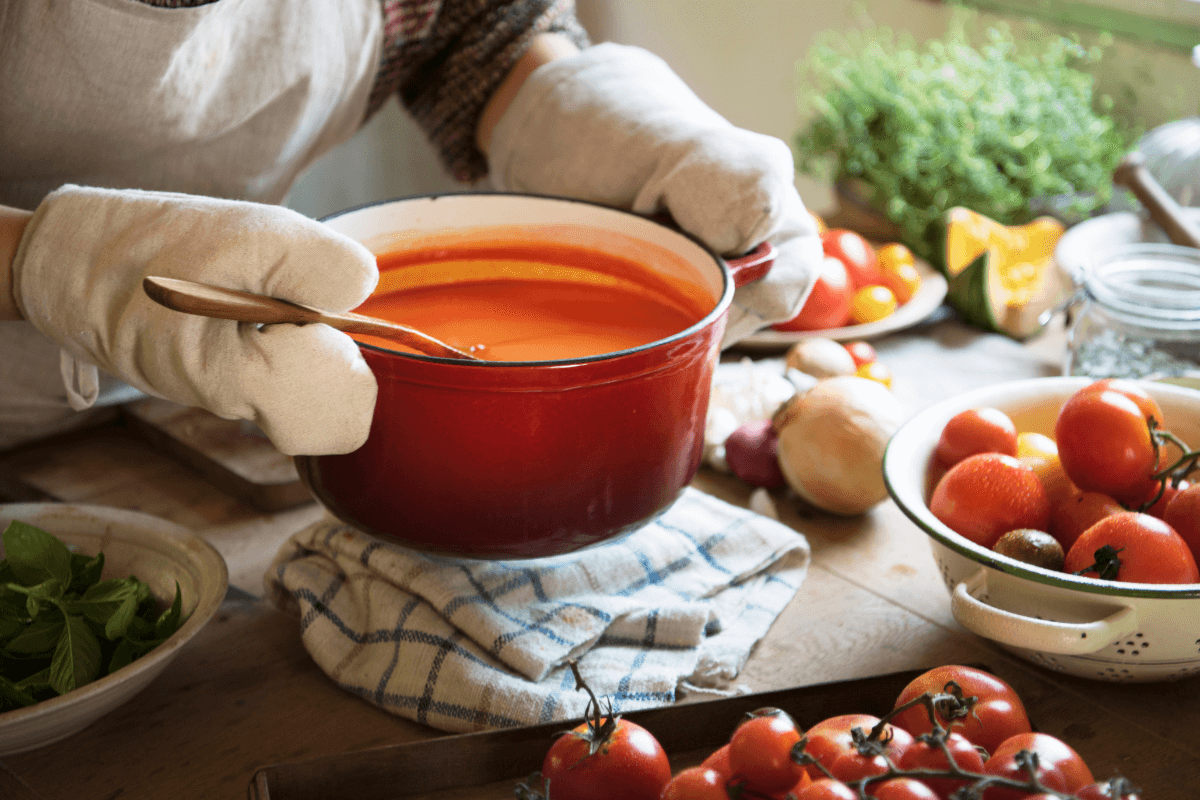
- Smooth soups (like tomato or butternut squash) – They’re warm, comforting, and easy to swallow.
- Yogurt – A creamy texture that’s gentle on your gums.
- Mashed potatoes – Soft, filling, and can be flavored without spices that might irritate your mouth.
- Scrambled eggs – Packed with protein to help your body heal.
- Smoothies – A tasty way to get fruits and veggies, but avoid using a straw to protect the implant site.
Tip: Many people ask, “What soups are good after dental implant surgery?”
Our implant dentist in Colorado Springs recommends smooth soups that aren’t too hot. Creamy vegetable soups or pureed chicken soups work great—avoid chunky or crunchy bits for the first week.
Gradually Adding More Variety
Once your dentist or periodontist gives the go-ahead—usually after about a week—you can start adding slightly firmer foods, but still keep them soft and easy to chew.
Some safe choices include:
- Soft pasta or well-cooked noodles
- Soft bread (avoid crusty or hard rolls)
- Tender fish or flaky baked salmon
- Oatmeal or cream of wheat
Many patients ask, “Can I eat bread after a dental implant?” Yes—but stick to soft sandwich bread or rolls without seeds, nuts, or a hard crust.
When to Reintroduce Solid Foods
A common question is, “How long after a tooth implant can you eat solid food?” Most people can start eating more solid items around 1–2 weeks after surgery, depending on how well they heal. However, harder, crunchier foods—like nuts, chips, and raw vegetables—should be avoided for at least 6–8 weeks or until your implant dentist confirms that your implant is stable.
Healing timelines vary, so always follow your dentist’s personalized instructions.
Foods You Should Avoid After Implant Surgery
Certain foods can cause irritation, pain, or even implant failure if eaten too soon. Until your dentist says otherwise, steer clear of:
- Crunchy foods like chips, popcorn, and raw carrots
- Sticky foods such as caramel or taffy
- Tough meats like steak or jerky
- Very hot or spicy foods that may irritate the gums
- Sugary snacks that can encourage bacterial growth
If you’re wondering, “Can I eat chicken noodle soup after dental surgery?”—yes, but make sure the chicken is shredded very finely and the vegetables are soft enough to mash with your tongue.
Keeping Your Mouth Healthy While Eating Soft Foods
Even though you’re focusing on soft foods, you still need to maintain good oral hygiene. Rinse gently with salt water after meals, and brush carefully without disturbing the implant site. Good hygiene will help your gums heal and protect your investment in dental implants.
FAQs About Eating After Dental Implant Surgery
What is the best food to eat after dental implant surgery?
Soft, high-protein foods like scrambled eggs, yogurt, and smooth soups are ideal for the first few days.
How long after dental implant surgery can I drink through a straw?
Avoid straws for at least a week to prevent disturbing the blood clot and healing site.
Can I eat ice cream after dental implants?
Yes, as long as it’s soft and not too cold, it can actually soothe sore gums.
When can I eat solid food after dental implant surgery?
Usually within 1–2 weeks, but avoid very hard or crunchy foods for up to 8 weeks.
What foods cannot be eaten with dental implants?
Avoid sticky, crunchy, or very hard foods until your dentist confirms it’s safe.
Is chicken noodle soup safe after dental surgery?
Yes—just make sure the chicken and vegetables are soft and easy to chew.
Final Takeaway
Your recovery diet after dental implant surgery is about balance—choosing foods that are gentle on your mouth but still provide the nutrition your body needs. Start with soft, smooth meals and gradually progress to more variety as your healing allows. Always follow the advice of your implant dentist to make sure your recovery stays on track.
At our dental office in Colorado Springs, our team guides you at every step—from your initial consultation to the moment you can enjoy your favorite foods again with a confident smile.