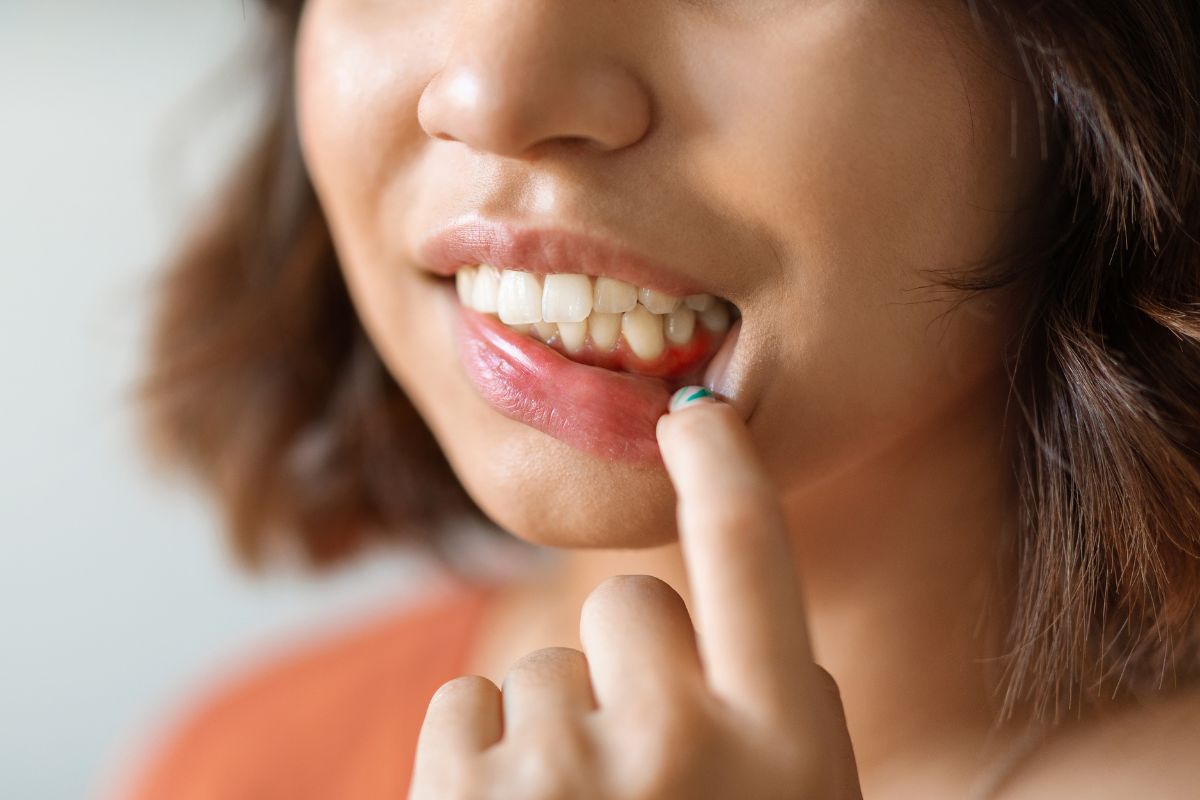
Healthy gums do much more than frame your smile. They protect the roots of your teeth, help support the jawbone, and create a barrier against harmful bacteria. When gum tissue begins to recede, that protective layer becomes thinner, leaving your teeth increasingly vulnerable. Many people dismiss gum recession because it often develops gradually and may not cause immediate discomfort. Unfortunately, waiting until symptoms become severe can make treatment more complex and allow preventable damage to progress.
At Mountain Top Periodontics & Implants – Colorado Springs, Dr. Adam Weaver and Dr. Kearny Chang help patients understand why treating gum recession early is often the best way to preserve long-term oral health. Drawing on advanced periodontal expertise, our team believes that patient education is the first step toward healthier smiles. If you have noticed receding gums or increased tooth sensitivity, visit our dental office for a comprehensive periodontal evaluation and personalized guidance before the condition worsens.
According to the National Institute of Dental and Craniofacial Research (NIDCR), gum disease remains one of the leading causes of gum recession and tooth-supporting tissue damage in adults. Early diagnosis and treatment significantly improve the chances of preserving healthy teeth and surrounding tissues.
Why Is Delaying Gum Graft Treatment Risky?
Delaying gum graft treatment allows gum recession to continue, exposing tooth roots, increasing sensitivity, raising the risk of decay, and potentially causing permanent damage to supporting tissues.
Gum recession is not simply a cosmetic concern. Once gum tissue pulls away from the tooth, it does not naturally regenerate. Every month that recession progresses exposes more of the tooth root, creating additional opportunities for bacteria to accumulate below the gumline.
Unlike tooth enamel, root surfaces are covered by cementum, which is considerably softer and more susceptible to wear and decay. As more root structure becomes exposed, everyday activities like brushing, eating cold foods, or drinking hot beverages may become increasingly uncomfortable.
Patients often assume that because the recession progresses slowly, treatment can safely wait. In reality, periodontal conditions frequently advance without causing significant pain until considerable tissue damage has already occurred.
What Causes Gum Recession to Progress?
Gum recession commonly worsens because the original cause continues to damage the gums unless treated.
Several factors may contribute to progressive gum recession:
- Periodontal disease
- Aggressive tooth brushing
- Teeth grinding or clenching
- Misaligned teeth create uneven bite forces
- Thin gum tissue
- Tobacco use
- Poor plaque control
- Genetic predisposition
Each of these factors places additional stress on gum tissue. Unless the underlying cause is addressed alongside treatment, recession may continue to worsen over time.
Residents throughout the Pikes Peak region often enjoy hiking destinations such as Garden of the Gods and Red Rock Canyon Open Space. Staying hydrated during outdoor activities supports overall health, but hydration alone cannot reverse gum recession. Professional evaluation remains essential when gums begin pulling away from the teeth.
What Problems Can Occur If You Wait Too Long?
Delaying treatment increases the likelihood of sensitivity, root decay, worsening recession, aesthetic concerns, and even tooth loss.
Increased Tooth Sensitivity
One of the earliest warning signs is heightened sensitivity. As roots become exposed, temperature changes stimulate microscopic tubules inside the tooth. Patients frequently report discomfort when consuming:
- Ice cream
- Hot coffee
- Cold water
- Sweet foods
- Acidic beverages
Sensitivity may gradually become more frequent rather than remaining occasional.
Greater Risk of Root Decay
Unlike enamel, root surfaces wear down more easily. Once exposed, bacteria can attach directly to these softer surfaces, increasing the likelihood of cavities below the gumline. Root cavities are often more challenging to restore than traditional cavities because of their location near delicate gum tissue.
Progressive Gum Recession
Gum recession rarely stabilizes without professional intervention. Every additional millimeter of recession exposes more root structure while reducing the protective gum tissue surrounding the tooth. Over time, this progression may compromise both function and appearance.
For patients considering gum grafting in Colorado Springs, seeking care earlier often allows treatment before extensive tissue loss develops, helping preserve more of the natural supporting structures.
Can Delayed Treatment Affect Tooth Stability?
Yes. Advanced gum recession may eventually weaken the tissues supporting your teeth, increasing mobility and the risk of tooth loss.
The gums, periodontal ligament, and surrounding bone work together to stabilize every tooth. When recession progresses unchecked, inflammation may extend deeper into these supporting structures.
Potential long-term consequences include:
| Early Stage | Later Stage if Delayed |
|---|---|
| Mild sensitivity | Persistent discomfort |
| Small areas of recession | Extensive exposed roots |
| Minimal aesthetic changes | Noticeably elongated teeth |
| Healthy bone support | Increased risk of bone loss |
| Stable teeth | Possible tooth mobility |
Although not every patient develops severe complications, delaying evaluation increases the opportunity for periodontal disease to advance.
Does Gum Recession Affect Your Smile?
Yes. Receding gums often make teeth appear longer, create uneven gumlines, and may affect overall smile symmetry.
Many patients first notice recession while looking at photographs rather than experiencing pain.
As gum tissue recedes:
- Teeth appear unusually long.
- Dark spaces may develop between teeth.
- Smile symmetry changes.
- Restorations may become more noticeable.
- Self-confidence may decline.
These cosmetic changes often become more difficult to correct once recession becomes extensive.
A noticeable number of local residents who spend weekends exploring Old Colorado City or enjoying meals in downtown cafés become increasingly aware of their smiles during conversations and photographs. Addressing gum recession early can help preserve both oral health and smile aesthetics before more advanced treatment becomes necessary.
How Does Gum Grafting Help Protect Your Teeth?
This procedure restores lost gum tissue, protects exposed tooth roots, reduces sensitivity, and helps prevent further recession. When performed at the appropriate time, it can preserve your natural teeth and improve long-term periodontal health.
A gum graft is designed to replace or reinforce areas where gum tissue has receded. Depending on your clinical needs, your periodontist may recommend different grafting techniques to achieve the best outcome. The procedure not only improves the appearance of your smile but also restores an important protective barrier around your teeth.
Patients who undergo treatment often experience benefits such as:
- Reduced tooth sensitivity
- Better protection against root decay
- Slower progression of gum recession
- Improved gumline symmetry
- Easier plaque removal around the gumline
- Better long-term tooth stability
If your gums have already started receding, seeking gum grafting in Colorado Springs before the condition progresses may help preserve healthy tissue and reduce the need for more extensive periodontal treatment later.
Is Every Case of Gum Recession Treated with a Gum Graft?
No. Not every patient requires immediate grafting. Your periodontist evaluates the cause, severity, tissue thickness, and overall periodontal health before recommending treatment.
Some cases respond well to improved oral hygiene, bite adjustments, or treatment for periodontal disease. Others require surgical intervention because the gums have receded beyond the point where conservative care can protect the exposed roots.
A comprehensive periodontal evaluation typically includes:
- Measuring gum recession depth
- Assessing gum tissue thickness
- Evaluating bone support
- Identifying signs of active periodontal disease
- Reviewing brushing habits and bite forces
- Discussing your long-term oral health goals
This individualized approach ensures treatment is based on your specific condition rather than a one-size-fits-all solution.
Why Early Treatment Matters
Treating gum recession early helps preserve healthy tissue, minimizes future complications, and often results in more predictable long-term outcomes.
Many patients postpone treatment because the recession is painless or appears minor. However, periodontal disease and gum recession frequently progress silently.
Early intervention may help:
- Preserve more natural gum tissue
- Protect exposed tooth roots
- Reduce the likelihood of root cavities
- Minimize tooth sensitivity
- Maintain healthier bone support
- Improve treatment predictability
Much like maintaining the trails around Garden of the Gods before small areas of erosion become major repairs, addressing gum recession early can help prevent more extensive damage to your smile.
Signs You Should Schedule a Periodontal Evaluation
You should not ignore changes in your gums simply because they are painless. Consider scheduling an evaluation if you notice:
- Teeth appearing longer than before
- Gum tissue pulling away from the teeth
- Tooth sensitivity to hot or cold foods
- Bleeding while brushing or flossing
- A notch near the gumline
- Loose teeth
- Persistent bad breath
- A family history of periodontal disease
These symptoms do not always mean you need gum graft surgery, but they do indicate that your gums should be professionally evaluated.
Protect Your Smile Before Gum Recession Progresses
Healthy gums provide the foundation for a healthy smile. Waiting until gum recession becomes severe can allow unnecessary damage to occur, making treatment more involved than it might have been earlier.
At Mountain Top Periodontics & Implants – Colorado Springs, our team is committed to providing evidence-based periodontal care personalized to your individual needs. If you have noticed signs of gum recession or increased tooth sensitivity, book an appointment today for a personalized diagnosis and treatment plan.
Frequently Asked Questions
1. Can gum recession heal naturally?
No. Lost gum tissue does not grow back on its own. A periodontal evaluation helps determine whether treatment is needed to protect exposed tooth roots and prevent further recession.
2. Is tooth sensitivity always caused by gum recession?
Not always. Tooth sensitivity has several possible causes, but exposed roots from gum recession are among the most common reasons patients experience discomfort with hot or cold foods.
3. How do I know if I need a gum graft?
Only a periodontal examination can determine this. Your periodontist evaluates gum tissue, bone support, recession depth, and the underlying cause before recommending treatment.
4. Can brushing too hard cause gum recession?
Yes. Aggressive brushing over time may wear away delicate gum tissue. Using a soft-bristled toothbrush and proper technique helps reduce unnecessary trauma.
5. Does gum grafting prevent future recession?
A successful gum graft protects vulnerable tooth roots, but maintaining excellent oral hygiene and treating underlying causes are equally important for long-term stability.
6. Is gum recession always related to gum disease?
No. Although periodontal disease is a leading cause, genetics, bite problems, teeth grinding, orthodontic movement, and aggressive brushing may also contribute to gum recession.
7. Why shouldn’t I wait until my gums hurt?
Gum recession and periodontal disease often progress without pain. Seeking care early allows your periodontist to address problems before they become more advanced and difficult to treat.