February may be the shortest month on the calendar, but at Mountain Top Periodontics & Implants, we believe it packs the biggest punch when it comes to oral health awareness and patient care. While most people associate this month with Valentine’s Day chocolates and winter weather in Colorado, dental professionals recognize February as National Children’s Dental Health Month and a critical time to address gum disease awareness.
Here’s something interesting: studies show that dental visits actually increase in February compared to January. Why? The holiday indulgences have settled, insurance benefits have reset, and people are motivated by their New Year’s health resolutions. At our Colorado Springs practice, we see patients who finally take action on issues they’ve been postponing, whether that’s scheduling dental implants in Colorado Springs, CO or addressing periodontal concerns that affect their confidence and health.
February also brings unique challenges for oral health in our Colorado climate. The combination of dry winter air, indoor heating, and temperature fluctuations can impact your gums and teeth. This makes it the perfect time to assess your periodontal health and create a treatment plan that sets you up for success throughout the year.
Why February is the Best Time to Prioritize Your Oral Health
The start of a new year brings fresh motivation, but February is when that motivation meets action. Dental insurance benefits have fully renewed, flexible spending accounts are topped off, and patients have had time to evaluate what health goals matter most to them.
At Mountain Top Periodontics & Implants, we notice something powerful in February: patients stop making excuses. The “I’ll do it next month” mindset shifts to “I’m doing this now.” Whether you need periodontal treatment, are considering dental implants, or require an emergency dentist in Colorado Springs, February represents a turning point where intention becomes reality.
Colorado’s winter conditions also make this month ideal for recovery from dental procedures. Cooler temperatures mean less outdoor activity, giving patients the perfect excuse to rest and heal properly. Plus, with spring approaching, patients want to be ready to smile confidently when the weather warms up.
8 Essential Tips for Optimal Recovery After Periodontal Procedures
Whether you’ve just had gum grafting, dental implant placement, or periodontal surgery, following these evidence-based recovery tips will speed your healing and improve your results.
1. Follow Your Post-Operative Instructions to the Letter
Your periodontist provides specific instructions for a reason. These aren’t generic suggestions but personalized guidelines based on your exact procedure and health status. Keep the written instructions handy and refer to them multiple times during your first week of recovery.
Set reminders on your phone for medications, and don’t skip doses even if you’re feeling better. According to the American Academy of Periodontology, antibiotics work best when taken at consistent intervals, and pain medication is most effective when you stay ahead of discomfort rather than waiting until pain becomes severe.
2. Apply Cold Compresses During the First 48 Hours
Cold therapy reduces swelling and numbs discomfort. Apply an ice pack or cold compress to the outside of your face for 20 minutes on, 20 minutes off during the first two days after surgery. This simple step can dramatically reduce post-operative swelling.
In Colorado’s dry climate, the cold compress also provides soothing relief. Just make sure to wrap ice packs in a clean cloth to protect your skin. Never apply ice directly to surgical sites inside your mouth.
3. Prioritize Rest and Sleep
Your body heals most effectively when you’re resting. Plan to take at least 24 to 48 hours off from work or strenuous activities after periodontal surgery. Keep your head elevated while sleeping by using extra pillows, which helps reduce swelling and prevents blood from pooling in the surgical area.
Avoid bending over, lifting heavy objects, or any activity that increases blood pressure to your head during the first few days. Colorado residents who enjoy skiing, hiking, or other outdoor activities should wait until fully cleared by their periodontist before resuming these pursuits.
4. Stick to Soft Foods and Stay Hydrated
Your diet plays a crucial role in healing. For the first few days, choose soft foods that require minimal chewing: scrambled eggs, yogurt, smoothies, mashed potatoes, soup (lukewarm, not hot), and protein shakes. These provide necessary nutrients without disturbing surgical sites.
The Mayo Clinic recommends avoiding crunchy, spicy, or acidic foods that can irritate healing tissues. Stay well-hydrated by drinking plenty of water, but skip the straw. Suction from straws can dislodge blood clots and delay healing.
5. Maintain Gentle Oral Hygiene
Clean teeth and gums heal faster than dirty ones, but you need to be gentle. Rinse your mouth with warm salt water (half a teaspoon of salt in eight ounces of water) several times daily, especially after meals. This keeps the area clean and promotes healing.
Brush and floss areas away from the surgical site normally, but avoid disturbing the treated area for the first few days unless specifically instructed otherwise. Your periodontist may recommend a special antimicrobial rinse to prevent infection.
6. Eliminate Smoking and Alcohol Completely
Smoking is the single worst thing you can do for periodontal healing. It constricts blood vessels, reduces oxygen delivery to tissues, and dramatically increases infection risk. If you smoke, this is the perfect opportunity to quit. Studies from the National Institute of Dental and Craniofacial Research show that smokers have a 50% higher failure rate with dental implants in Colorado Springs, CO compared to non-smokers.
Alcohol also interferes with healing and can interact negatively with pain medications and antibiotics. Abstain completely during your recovery period, typically at least two weeks but ideally longer.
7. Monitor Your Recovery Daily
Pay attention to your body. Some swelling, minor bleeding, and discomfort are normal, but excessive pain, prolonged bleeding, fever, or signs of infection require immediate attention. Know when to call your periodontist versus when to seek an emergency dentist in Colorado Springs.
Warning signs include pus, severe swelling that worsens after day three, fever above 101°F, or bleeding that doesn’t stop with gentle pressure. Don’t wait until Monday if something seems wrong on a weekend. Keep emergency contact information readily available.
8. Attend All Follow-Up Appointments
Follow-up visits aren’t optional. These appointments allow your periodontist to assess healing, remove sutures if needed, and address any concerns before they become problems. Missing follow-up care can compromise your results and lead to complications.
At Mountain Top Periodontics & Implants, we schedule strategic follow-up visits to ensure your recovery stays on track. These appointments typically take just a few minutes but provide invaluable peace of mind.
Understanding Periodontal Disease and Why February Matters
Periodontal disease affects nearly 50% of American adults over age 30, according to the Centers for Disease Control and Prevention. This silent infection destroys gum tissue and bone supporting your teeth, often without obvious symptoms until it reaches advanced stages.
February’s focus on dental health makes it the ideal time to get screened for gum disease. Early detection means simpler treatment and better outcomes. Signs to watch for include bleeding gums, persistent bad breath, receding gums, loose teeth, or changes in how your teeth fit together when you bite.
Colorado’s high altitude and dry climate can exacerbate gum problems by reducing saliva production, which normally helps protect against bacteria. If you’ve noticed increased tooth sensitivity or gum irritation this winter, schedule an evaluation.
Dental Implants: Why Colorado Patients Choose February for Treatment
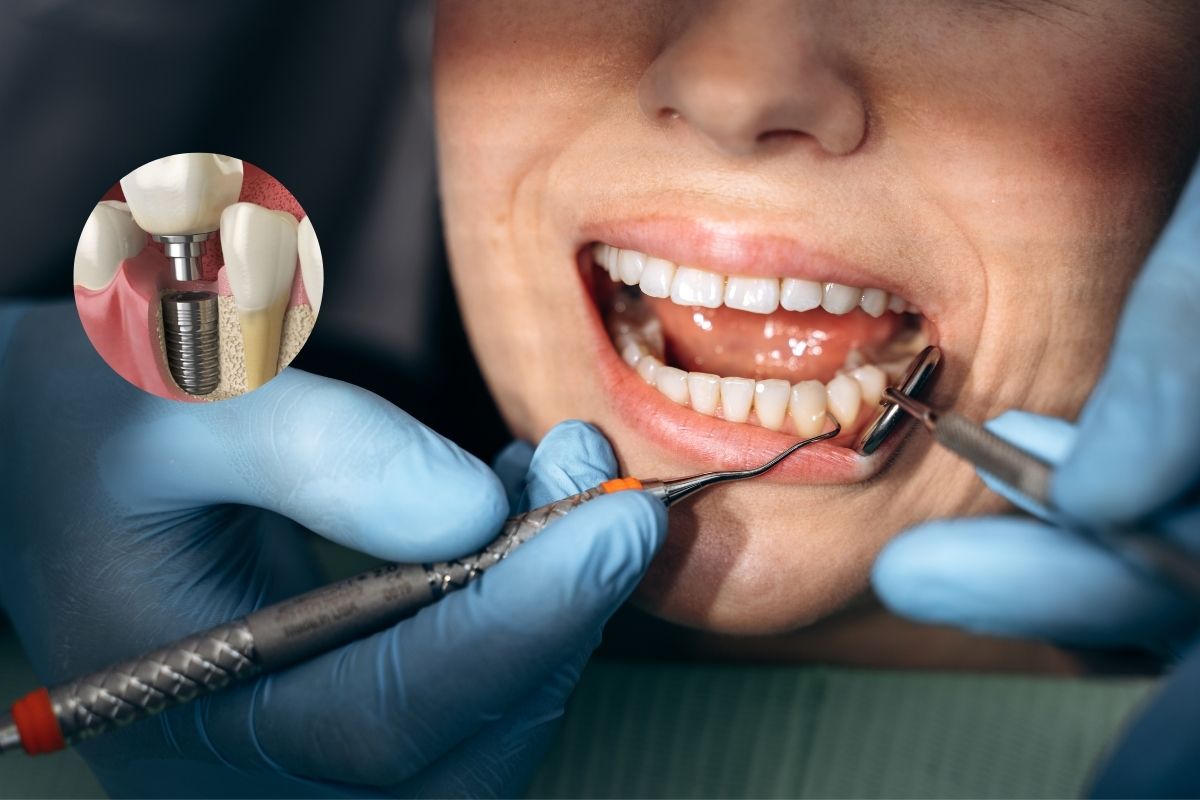
Dental implants in Colorado Springs, CO have become the gold standard for replacing missing teeth, and February is an excellent time to begin this life-changing treatment. The process typically takes several months from start to finish, so starting in February means you could have your final restoration by summer.
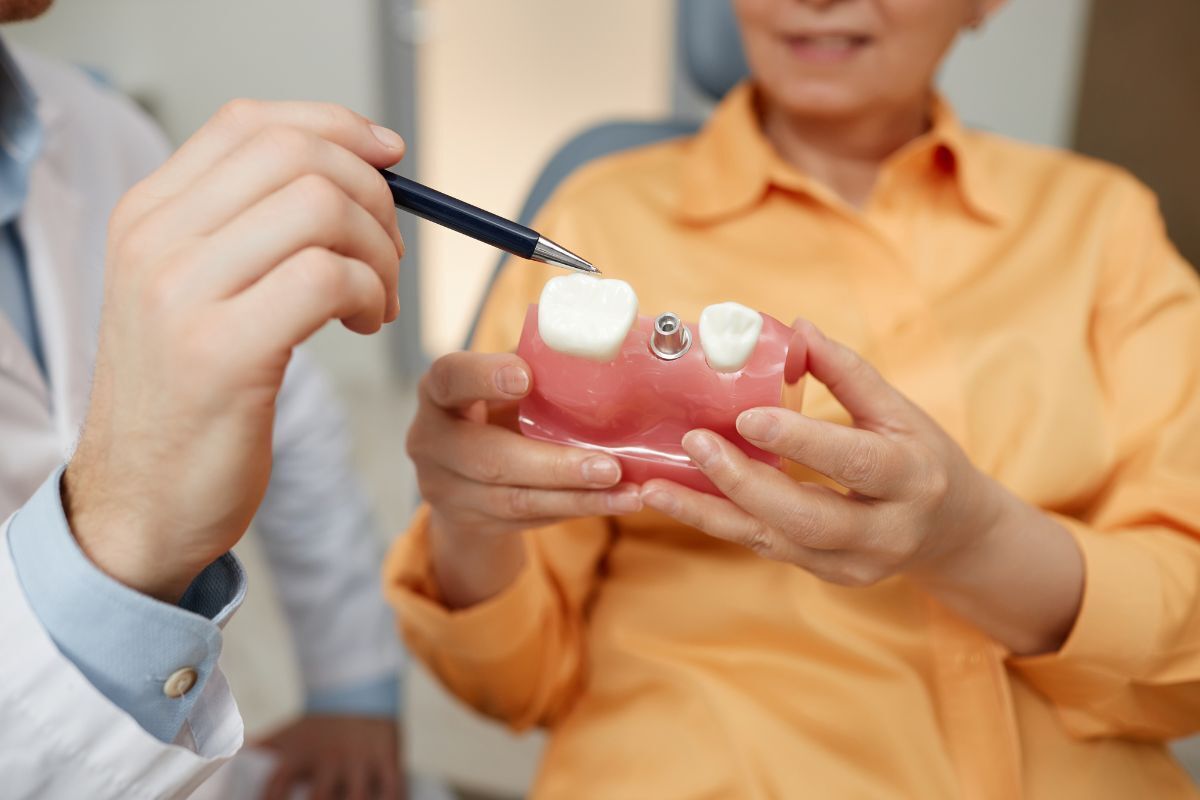
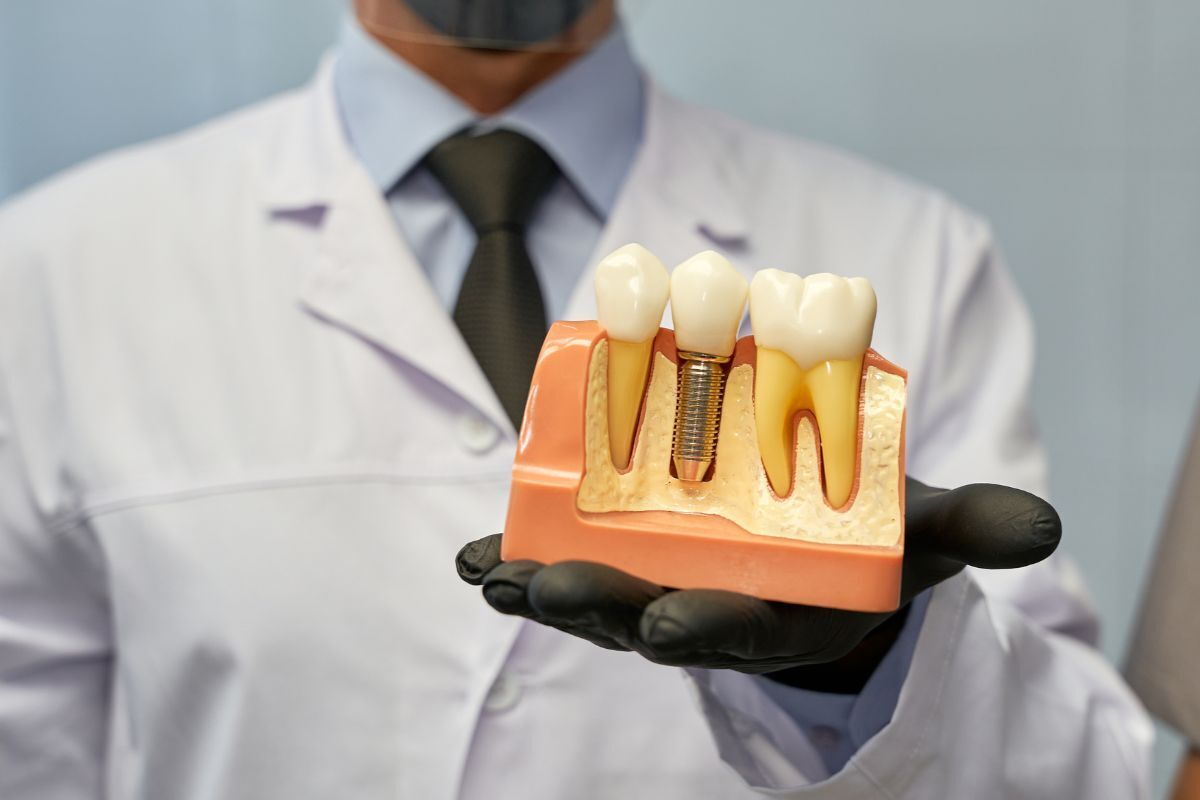
Dental implants offer unmatched benefits: they look, feel, and function like natural teeth, preserve jawbone density, don’t require grinding down adjacent teeth, and can last a lifetime with proper care. At Mountain Top Periodontics & Implants, we use advanced 3D imaging and precise surgical techniques to achieve optimal results.
The investment in dental implants goes beyond aesthetics. According to the American Dental Association, missing teeth can cause remaining teeth to shift, lead to bone loss, affect nutrition due to chewing difficulties, and impact self-confidence. Addressing tooth loss promptly prevents these cascade effects.
When to Seek an Emergency Dentist in Colorado Springs
Dental emergencies don’t schedule themselves conveniently. Knowing when you need an emergency dentist in Colorado Springs can save your tooth and prevent serious complications.
Seek immediate care for knocked-out teeth (bringing the tooth with you in milk or saliva), severe toothaches that don’t respond to over-the-counter pain relief, uncontrolled bleeding, facial swelling that affects breathing or swallowing, or trauma to the jaw or face.
The American Association of Endodontists provides helpful guidelines for handling dental emergencies. At Mountain Top Periodontics & Implants, we provide guidance for handling dental emergencies and can accommodate urgent situations. For after-hours emergencies, we have protocols in place to ensure patients receive prompt care.
Take Action This February
Don’t let another month pass while dental concerns linger in the background. February’s shorter length means there’s no time to waste. Whether you need a routine periodontal evaluation, are ready to move forward with dental implants in Colorado Springs, CO, or have been experiencing symptoms that worry you, now is the time to act.
Mountain Top Periodontics & Implants serves Colorado Springs and surrounding communities with comprehensive periodontal care and dental implant expertise. Our experienced team combines advanced technology with personalized attention to deliver results that exceed expectations.
Schedule your appointment today by calling our office or visiting our website. Your smile deserves expert care, and February is the perfect month to make it happen. Let’s work together to create the healthy, confident smile you deserve.
Frequently Asked Questions
How long does recovery from dental implant surgery typically take?
Initial healing takes about one to two weeks, during which you’ll experience minor swelling and discomfort managed with over-the-counter pain medication. Complete osseointegration (bone fusion with the implant) takes three to six months. Most patients return to normal activities within a few days but should avoid strenuous exercise for at least a week.
What makes periodontal disease worse in Colorado’s climate?
Colorado’s low humidity and high altitude reduce saliva production, which normally washes away bacteria and neutralizes acids. Indoor heating during winter further dries out oral tissues. This creates an environment where bacteria thrive more easily. Drinking extra water and using a humidifier can help counteract these effects.
Can I get dental implants if I have gum disease?
Active periodontal disease must be treated before dental implant placement. Healthy gums and adequate bone structure are essential for implant success. At Mountain Top Periodontics & Implants, we first address gum disease through scaling, root planing, or surgery as needed, then proceed with implants once your oral health is optimized.
How do I know if my post-surgery symptoms are normal or require emergency care?
Normal symptoms include mild to moderate swelling that peaks around day three, minor bleeding that stops with gentle pressure, and discomfort controlled by prescribed medications. Seek emergency care for fever above 101°F, severe pain not relieved by medication, excessive bleeding lasting more than a few hours, or swelling that worsens significantly after day three.
Are dental implants covered by insurance?
Coverage varies by insurance plan. Some plans cover a portion of implant treatment, particularly if tooth loss resulted from trauma or medical necessity. Our team at Mountain Top Periodontics & Implants works with you to maximize insurance benefits and offers financing options to make treatment affordable.
What’s the success rate of dental implants?
Dental implants have a success rate exceeding 95% when placed by experienced periodontists and when patients maintain proper oral hygiene. Factors affecting success include overall health, bone quality, smoking status, and adherence to post-operative care instructions. According to research published in the Journal of Dental Research, choosing a specialist significantly improves outcomes.
How often should I have periodontal maintenance cleanings?
Patients with a history of gum disease typically need professional cleanings every three to four months rather than the standard six months. This more frequent schedule prevents disease recurrence and allows early intervention if problems develop. Your periodontist will recommend a personalized schedule based on your specific needs.
Why should I choose a periodontist for dental implants instead of a general dentist?
Periodontists complete three additional years of specialized training beyond dental school, focusing exclusively on gum disease treatment, bone grafting, and implant placement. This expertise means better outcomes, particularly for complex cases involving bone loss or multiple implants. Specialists handle complications more effectively and have access to advanced techniques and technology.
Mountain Top Periodontics & Implants is your trusted partner for advanced periodontal care and dental implant treatment in Colorado Springs. Our commitment to excellence, combined with state-of-the-art technology and compassionate care, ensures you receive the best possible results. Contact us today to schedule your consultation and discover why patients throughout Colorado choose us for their periodontal health needs.