When you invest in dental implants, you’re choosing a long-lasting, beautiful replacement for missing teeth — one that feels and functions just like the real thing. Naturally, many patients wonder if these restorations are vulnerable to tooth decay the way natural teeth are. The short answer? Dental implants can’t get cavities, but that doesn’t mean they’re completely immune to oral health issues.
Let’s dive into what makes dental implants cavity-resistant, what problems can still arise, and how you can keep your smile strong and healthy for years to come.
Why Dental Implants Don’t Get Cavities
Dental implants are designed differently from your natural teeth. While real teeth have enamel, dentin, and a pulp chamber containing nerves, dental implants are made from titanium or zirconia — materials that are biocompatible and resistant to decay.
Here’s how implants work:
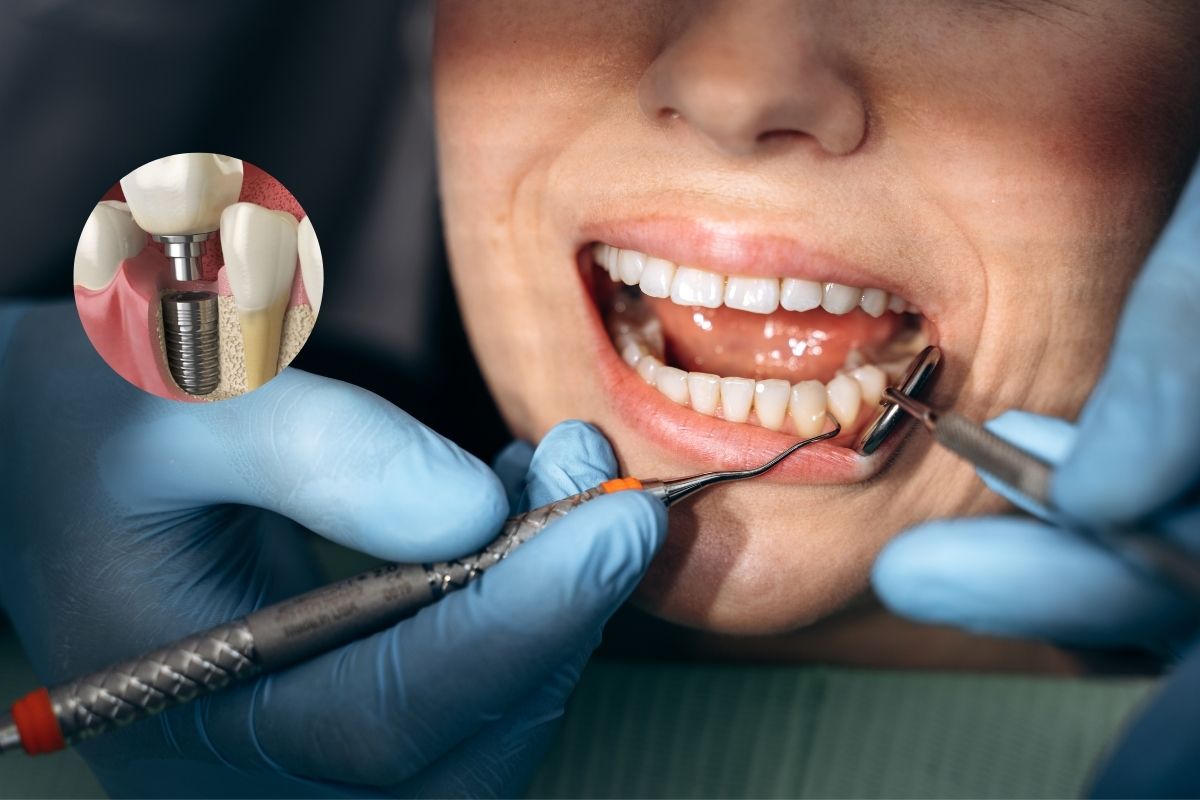
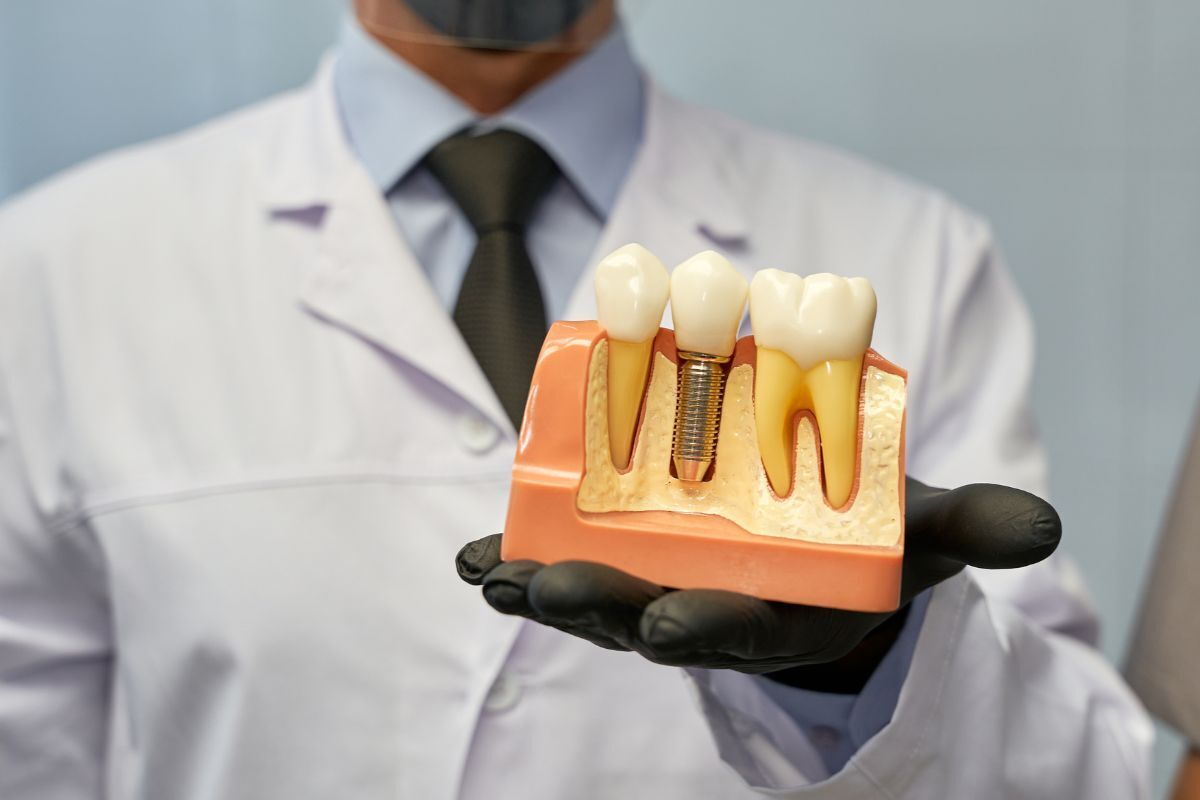
- A titanium post is surgically placed into your jawbone, acting as an artificial tooth root.
- A custom crown is attached to the post via an abutment.
- The crown is made from materials like porcelain or ceramic that don’t decay.
Because there’s no organic material for bacteria to attack, implants can’t get cavities like natural teeth.
However, this doesn’t mean you can skip oral hygiene. While your implant itself is safe from decay, the tissues surrounding it — like your gums and bone — can still become infected if not properly cared for.
The Real Threat: Peri-Implant Disease
Even though dental implants can’t decay, they can fail due to peri-implant disease, a condition similar to gum disease. It occurs when plaque builds up around the implant, leading to inflammation and infection in the surrounding gums.
Peri-implant diseases come in two forms:
- Peri-implant mucositis: Early-stage inflammation limited to the soft tissues around the implant.
- Peri-implantitis: Advanced infection that affects both the gum and bone, leading to implant loosening or failure.
Warning signs include:
- Red, swollen, or bleeding gums
- Bad breath or a foul taste in your mouth
- Discomfort or pain near the implant
- Gum recession or exposed implant threads
The best way to prevent these issues is to maintain proper hygiene and schedule regular visits with your implant dentist.
How to Keep Your Dental Implants Healthy
Caring for dental implants is almost the same as caring for your natural teeth — consistency is key. Follow these simple but crucial steps to protect your implants:
- Brush twice daily: Use a soft-bristled toothbrush and non-abrasive toothpaste to clean your implants, gums, and remaining natural teeth.
- Floss daily: Use floss designed for dental implants or an interdental brush to clean between teeth and around implant crowns.
- Rinse with mouthwash: Choose an alcohol-free, antibacterial rinse to reduce plaque and bacteria buildup.
- Schedule routine cleanings: Visit your implant dentist for professional cleanings and checkups at least twice a year.
- Avoid bad habits:
Smoking, teeth grinding, and chewing hard objects can damage your implants or cause gum irritation.
By following these practices, you can ensure your dental implants remain strong, functional, and attractive for years to come.
What Happens If You Don’t Maintain Proper Oral Hygiene
Neglecting implant care can have serious consequences. Poor oral hygiene allows bacteria to thrive, increasing your risk for peri-implantitis, gum inflammation, and even bone loss.
If the bone supporting your implant deteriorates, it can lead to implant instability or failure — meaning you might need additional surgery to replace it. In severe cases, untreated infection can spread, affecting surrounding teeth and tissues.
So even though implants don’t get cavities, they still need regular maintenance and professional attention.
Why Professional Checkups Are Crucial
Even the most diligent brushing routine can’t replace the expertise of a professional cleaning. During your visits, your dentist will:
- Check the stability of your implants
- Examine your gums for inflammation or infection
- Remove any hardened plaque or tartar buildup
- Evaluate your bite and overall oral health
Our implant dentist in Colorado Springs uses advanced diagnostic tools like digital X-rays and 3D imaging to help detect potential issues early — before they become serious problems.
Common Myths About Dental Implants
Let’s clear up a few misconceptions:
Myth 1: Dental implants never need maintenance.
False — they require regular cleaning and professional checkups just like natural teeth.
Myth 2: Implants are immune to all oral diseases.
Not true — while they can’t get cavities, they can be affected by gum infections or bone loss.
Myth 3: Once an implant is placed, it lasts forever without care.
Proper hygiene and regular visits are essential for long-term success. Many implants last a lifetime, but only with good maintenance.
FAQs
Can bacteria still affect dental implants?
Yes. Bacteria can’t decay implants, but they can infect the surrounding gums, leading to peri-implantitis.
What does implant failure feel like?
You might experience pain, gum swelling, or implant movement. If you notice these symptoms, contact your implant dentist immediately.
Do dental implants need special toothpaste?
Use non-abrasive toothpaste without whitening agents to avoid scratching the implant surface.
Can I get a cavity in the teeth near my implants?
Yes, your natural teeth are still susceptible to cavities, so keep brushing and flossing around them carefully.
How long do dental implants last?
With proper oral care and regular visits to your dentist, implants can last 20 years or more — often for life.
Keep Your Smile Strong with Dental Implants in Colorado Springs
So, can dental implants get cavities? No — but they can fail if the surrounding gums and bone aren’t healthy. That’s why ongoing oral care and professional maintenance are key.
At Mountain Top Periodontics & Implants, our expert team helps patients maintain the longevity and health of their dental implants in Colorado Springs through personalized treatment plans, preventive cleanings, and advanced periodontal care.
Keep your smile bright, healthy, and worry-free — because your implants deserve the same love as your natural teeth.