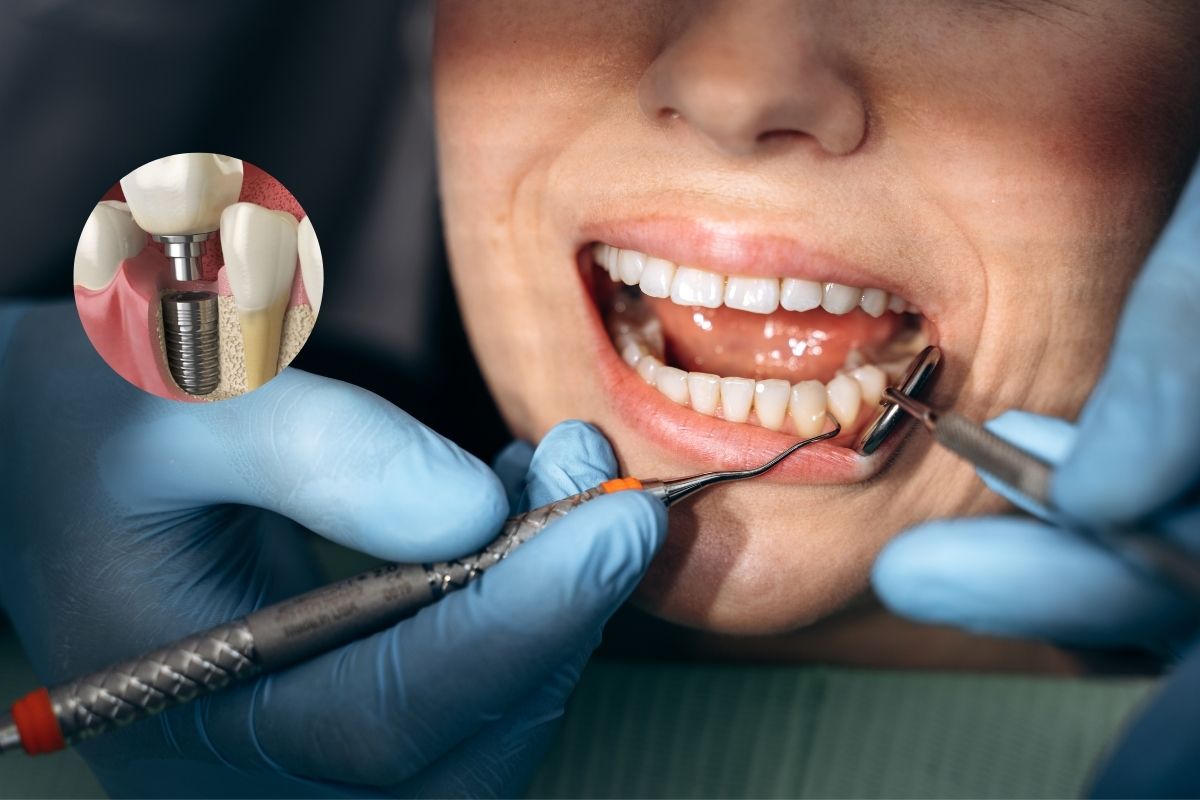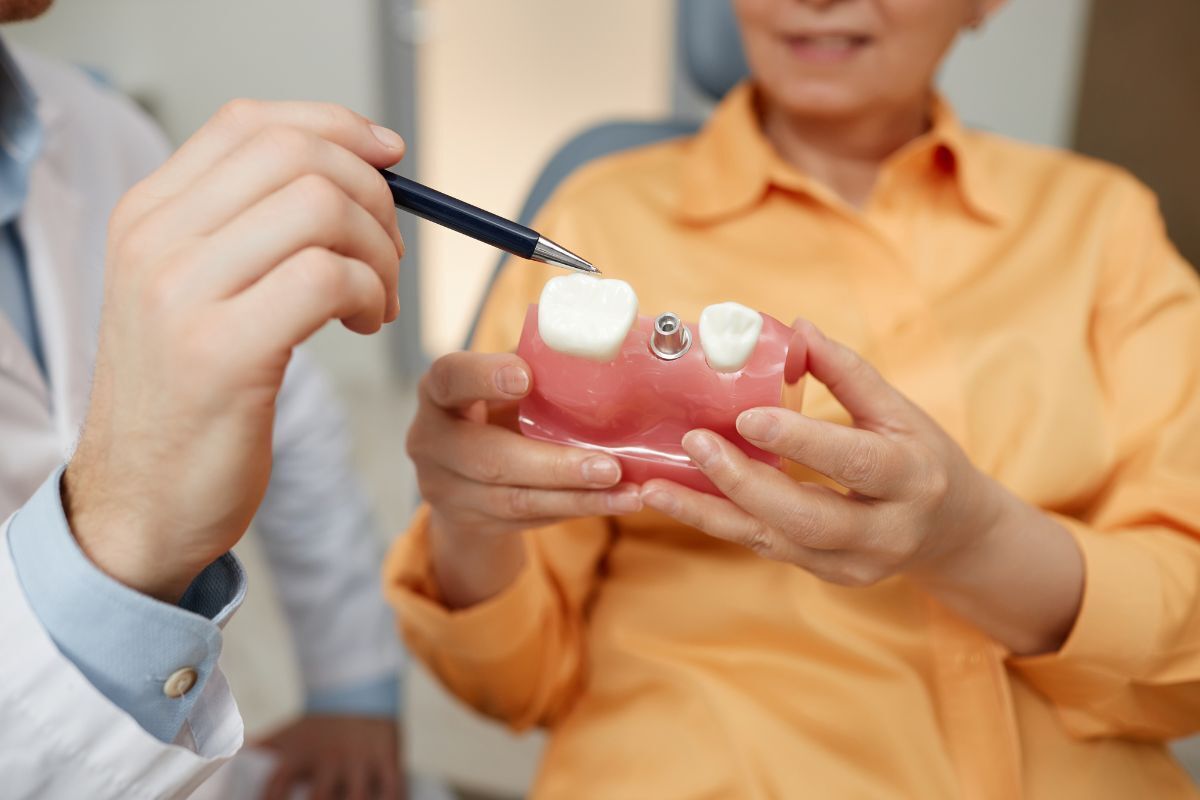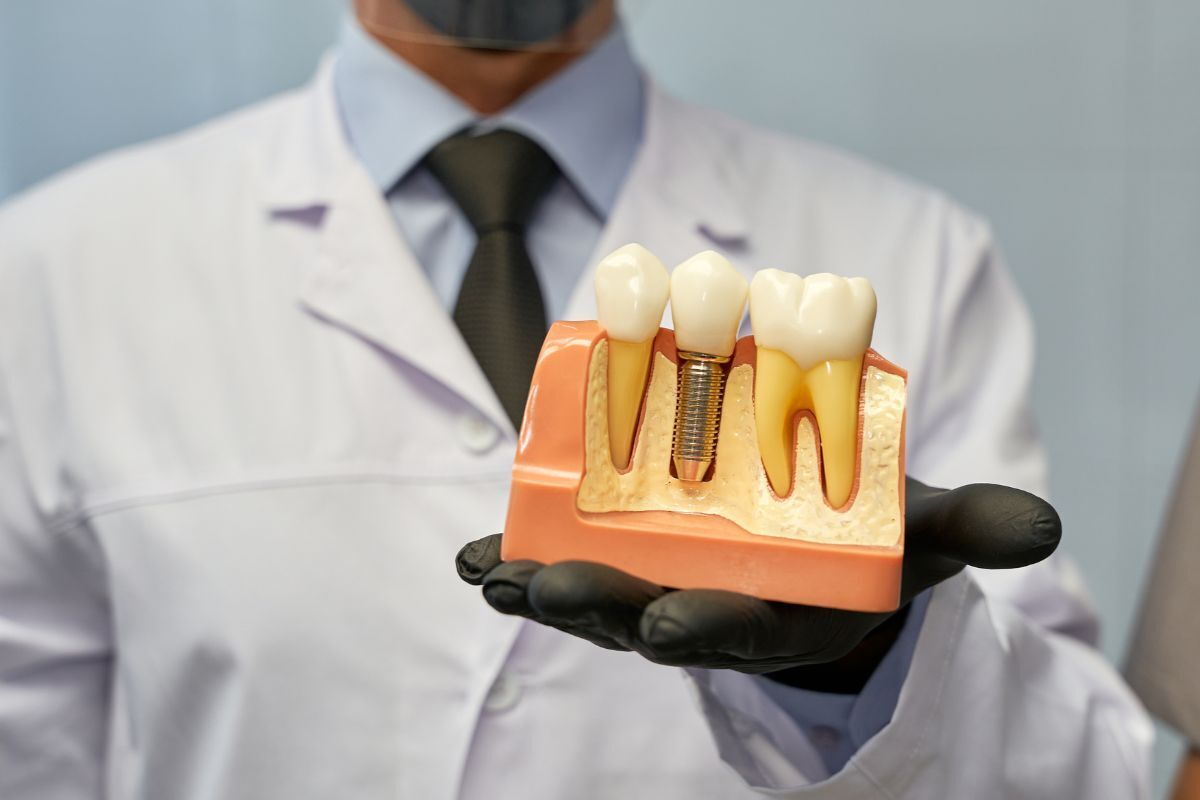
Dental implants are known for their strength, durability, and natural appearance, but one common question our implant dentist in Colorado Springs hears is, “Does food get under dental implants?” Whether you’re new to implants or have had them for years, this concern is valid, and we’re here to give you clear, helpful answers.
Let’s explore whether food can get trapped under dental implants, why it happens, and what you can do to prevent it from becoming a problem.
Can Food Really Get Under Dental Implants?
In short—yes, food can get under dental implants in some cases, but it depends on the type of implant and how well it was placed.
If you have traditional implants topped with individual crowns, food getting under the crown or around the implant is rare when everything is sealed properly. However, with systems like All-on-4 dental implants, where an entire row of teeth is supported by four implants, food particles can sometimes slip into tiny gaps between the prosthetic and your gums.
Common culprits include:
- Seeds (like sesame or poppy)
- Small pieces of meat
- Lettuce or spinach
- Crumbs and nuts
These issues aren’t always a sign of something wrong, but they do require proper hygiene and care.
Why Does Food Get Stuck Under Dental Implants?
There are a few reasons you might find food stuck under or around your dental implants:
- Poorly Fitted Prosthetics: If the implant-supported crown or denture doesn’t fit snugly against the gums, gaps may allow food in.
- Bone or Gum Shrinkage: Over time, changes in your jawbone or gum tissue can create small spaces.
- All-on-4 Design Limitations: These full-arch restorations don’t always have a perfect seal with the gumline.
- Improper Cleaning: Even though implants aren’t susceptible to cavities, they still need daily cleaning. Inadequate care allows debris to accumulate.
If you’ve noticed food getting trapped beneath your implant or experience discomfort while eating, it could be due to one of the reasons mentioned above. Our implant dentist in Colorado Springs can help identify whether the issue lies in the fit, hygiene, or prosthetic design.
How to Prevent Food from Getting Trapped
Fortunately, there are several proactive steps you can take to reduce or eliminate food getting stuck under your implants:
1. Choose the Right Type of Implant Restoration
If you’re still considering your implant options, speak with your dentist about solutions that offer minimal gaps and better gum seal. Custom-fitted restorations often reduce food entrapment.
2. Practice Thorough Daily Cleaning
- Use a water flosser to flush away food particles under bridges or All-on-4 restorations.
- Brush twice a day with a soft-bristle brush and low-abrasion toothpaste.
- Consider interdental brushes or floss threaders for hard-to-reach areas.
- Rinse your mouth after meals, especially when eating fibrous or sticky foods.
3. Schedule Regular Check-Ups
Routine visits to your implant dentist help catch issues early. A professional can:
- Examine the fit of your prosthetic
- Remove stubborn debris
- Ensure your gums and bone are healthy
What Keeps Food from Getting Under Dental Implants?
A few key design features and practices help keep food away from implant areas:
- Proper Fit and Seal: A well-designed implant crown or denture is custom-molded to minimize space between the gumline and prosthetic.
- Hygienic Maintenance: Regular cleanings and home care habits reduce the risk of buildup.
- Healthy Gums: Strong, tight gum tissue forms a natural barrier. Your gum health plays a major role in keeping food out.
If you’re wondering what keeps food from getting under dental implants, it’s a combination of excellent design and ongoing dental care.
When to Be Concerned
Not every instance of food getting stuck under dental implants is an emergency—but some signs could point to a problem. Contact your dentist if you notice:
- Persistent bad breath
- Bleeding gums around the implant
- Pain or swelling
- Unusual taste or discharge
- Implant feels loose or uncomfortable
These symptoms could indicate peri-implantitis (inflammation around the implant), which can be serious if not addressed promptly. At our dental practice in Colorado Springs, our implant dentist can provide expert evaluation and personalized care if you’re in the area or nearby and experiencing these issues.
Best Practices for Long-Term Implant Health
Here are some simple, effective tips to keep your implants—and your smile—healthy for years:
- Clean around your implants daily
- Use tools designed for implants (floss threaders, water flossers)
- Eat a balanced diet rich in vitamins A and C
- Avoid smoking, which increases implant failure risk
- Stay consistent with dental checkups
Clean Implants, Happy Smile!
Dental implants are an investment in your smile—and with proper care, they can last a lifetime. If you’ve been wondering, “Does food get stuck under dental implants?” or “Can food get under dental implants?”—you’re not alone. It’s a common concern, but with the right dental support and hygiene habits, it doesn’t have to be a long-term problem.
At Mountain Top Periodontics & Implants, we’re committed to helping patients enjoy the benefits of their implants without discomfort or worry. If you’re dealing with food stuck under implants or need help with maintenance, book an appointment with us today. We’re proud to be a trusted name for patients searching for an implant dentist in Colorado Springs.
Let us help you protect your investment—and your smile!