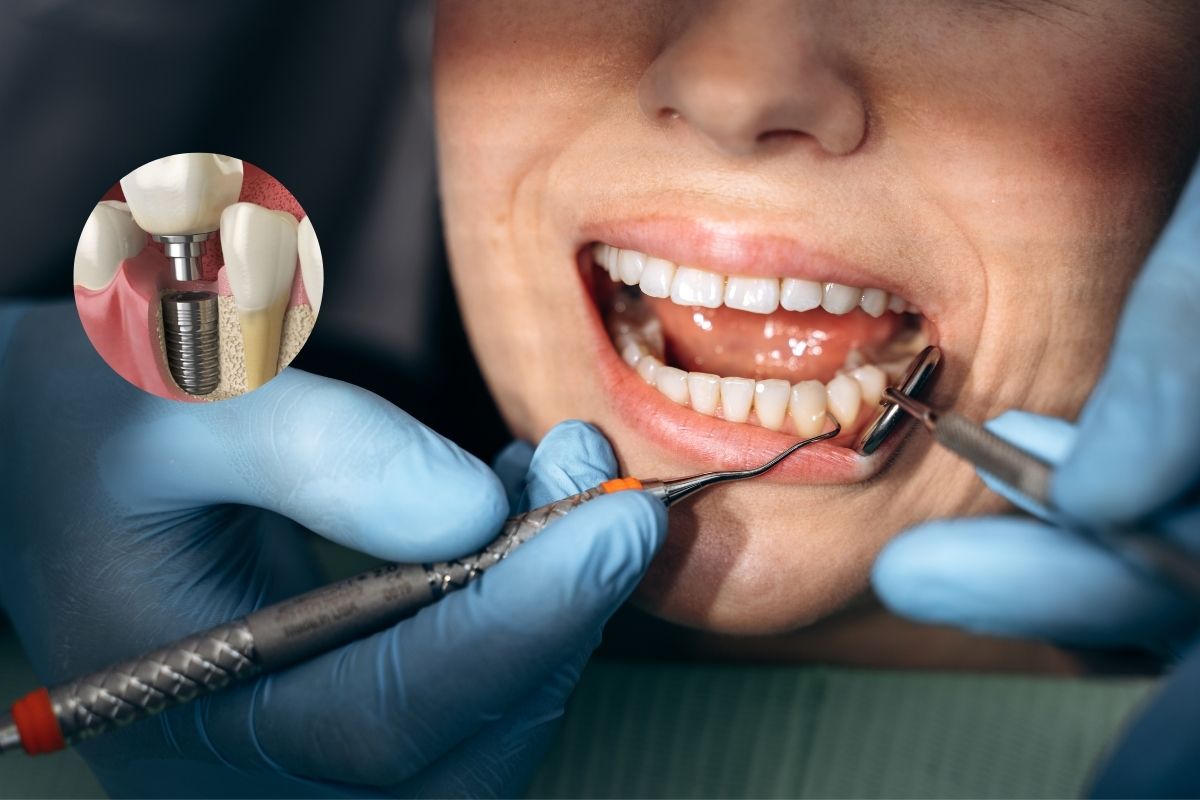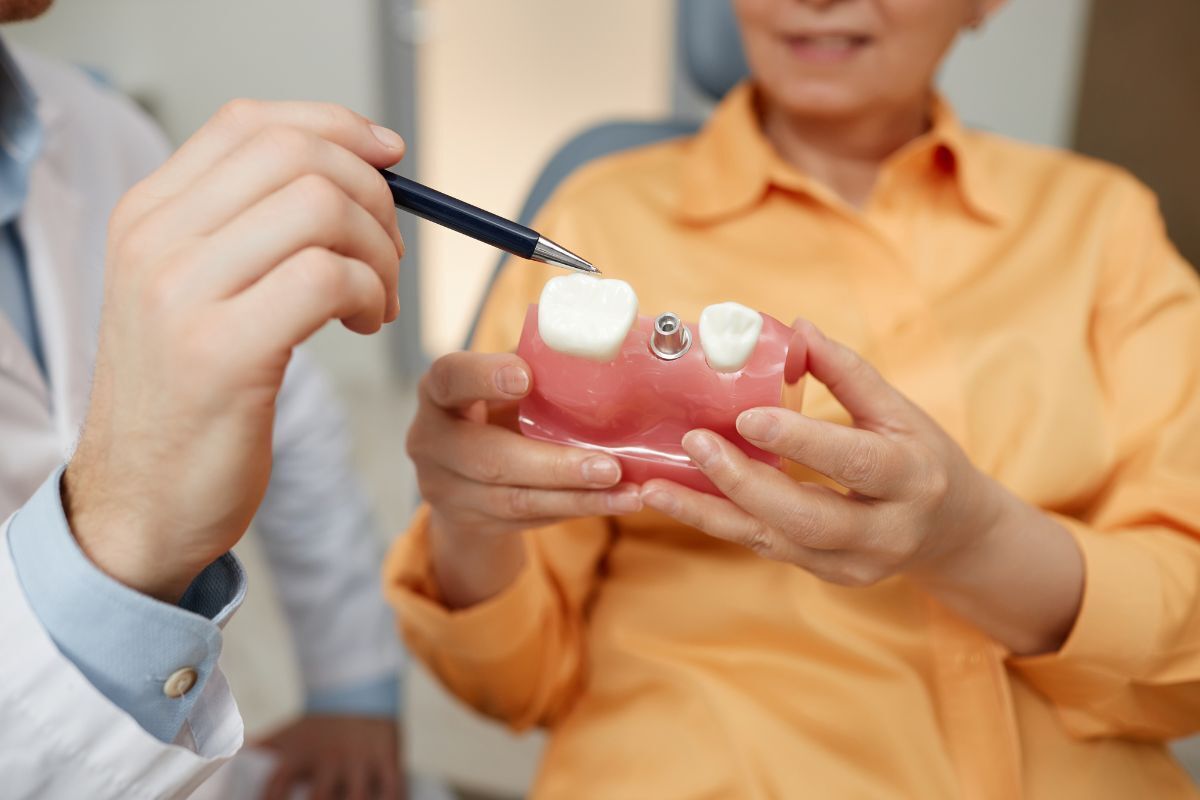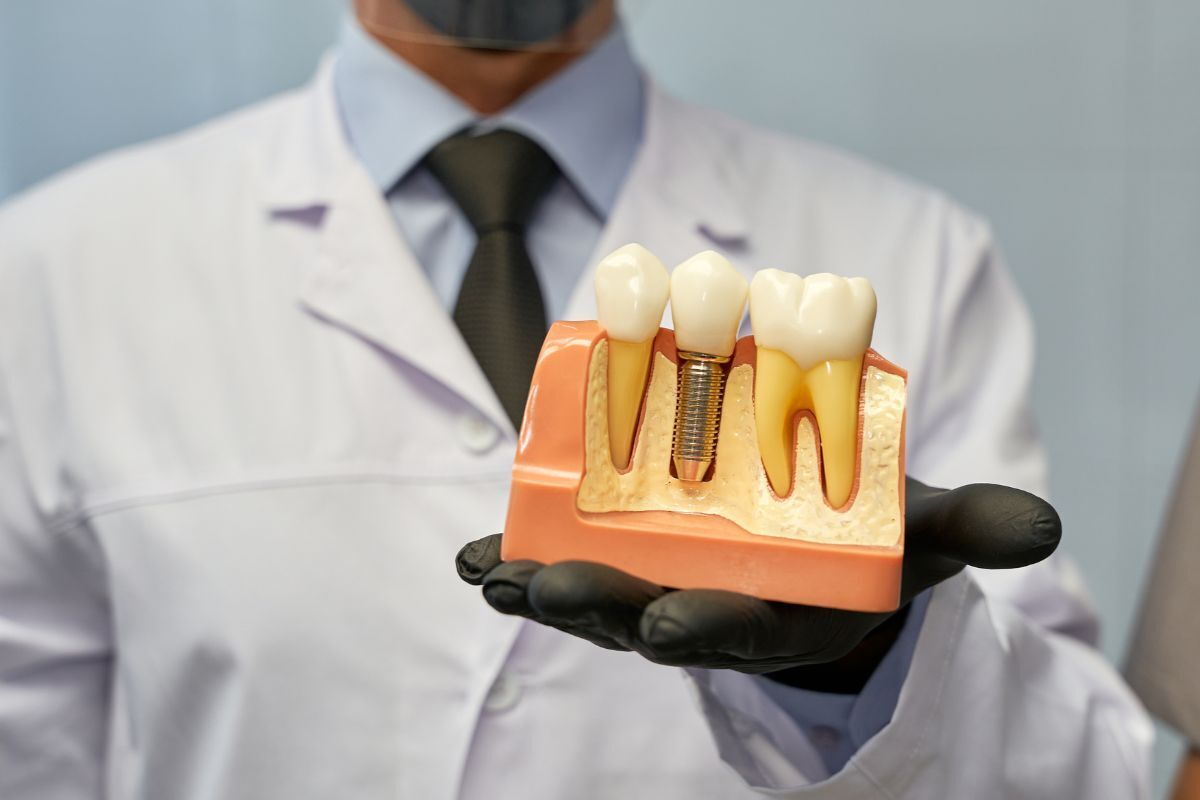
Replacing a missing tooth is an investment in your oral health, function, and quality of life. However, if you have diabetes, you may wonder whether you are a suitable candidate for treatment or if your condition could reduce the likelihood of long-term success. The answer is more encouraging than many people expect. Advances in periodontal care, careful treatment planning, and proper blood sugar management have made implant therapy a successful option for many individuals living with chronic health conditions.
At Mountain Top Periodontics & Implants – Denver, every patient receives a comprehensive evaluation to determine the factors that influence healing before recommending dental implants in Greenwood Village or nearby Colorado communities. Understanding the differences between Type 1 diabetes and Type 2 diabetes can help you make informed decisions and feel more confident about restoring your oral health.
Why Blood Sugar Control Plays a Critical Role in Implant Healing
Successful implant treatment depends on the body’s ability to heal after surgery. Healthy blood circulation delivers oxygen and nutrients to the surgical site while the immune system helps protect against infection.
When blood sugar remains elevated for extended periods, healing may become slower. Inflammation can persist longer, and the body’s response to bacteria may become less effective. These factors may increase the risk of complications if they are not addressed before treatment begins.
During your consultation, a periodontist evaluates several factors that influence healing, including:
- Blood sugar stability
- Overall periodontal health
- Bone volume and density
- Medical history
- Tobacco use
- Daily oral hygiene habits
- Current medications
Looking at the complete picture allows treatment recommendations to be based on your overall health rather than a diagnosis alone.
Clinical Considerations for Patients with Type 1 Diabetes
Type 1 diabetes develops when the body’s immune system destroys insulin-producing cells, making lifelong insulin therapy necessary. Since insulin helps regulate healing throughout the body, maintaining stable glucose levels before and after surgery is an important part of treatment planning.
Patients with Type 1 diabetes often benefit from:
- A detailed review of medical history
- Coordination with their physician when appropriate
- Careful monitoring throughout the healing period
- Regular periodontal maintenance after treatment
Many individuals with Type 1 diabetes achieve successful long-term outcomes because their condition is carefully managed before surgery. Rather than focusing solely on the diagnosis, today’s treatment protocols emphasize overall health and healing capacity.
Clinical Considerations for Patients with Type 2 Diabetes
Unlike Type 1 diabetes, Type 2 diabetes develops when the body becomes resistant to insulin or cannot produce enough insulin to maintain healthy blood sugar levels. This condition is often associated with chronic inflammation that can affect both periodontal tissues and healing following oral surgery.
Patients with Type 2 diabetes may experience:
- Delayed tissue healing
- Increased gum inflammation
- Greater susceptibility to periodontal disease
- Progressive bone loss if inflammation remains untreated
Although these factors deserve careful attention, controlled Type 2 diabetes does not automatically prevent successful treatment. When periodontal health is stabilized and blood sugar remains well managed, long-term outcomes are often highly predictable.
Separating Common Myths from Clinical Evidence
One of the most common misconceptions is that diabetes automatically leads to implant failure. Current clinical evidence tells a different story.
The overall success of treatment depends far more on health management than the diagnosis itself. Many patients with controlled blood sugar experience excellent healing, while individuals without systemic conditions may still develop complications if periodontal disease or poor oral hygiene is left untreated.
Several factors contribute to successful outcomes:
- Stable A1C levels
- Healthy supporting bone
- Disease-free gum tissue
- Excellent home care
- Routine maintenance appointments
- Following post-operative instructions
For patients considering dental implants in Greenwood Village, these factors provide a much more accurate indication of treatment success than the diagnosis alone.
The Importance of Periodontal Health Before Implant Placement
Healthy periodontal tissues provide the biological foundation necessary for long-term implant stability.
When active gum disease is present, harmful bacteria continue to damage the tissues supporting the jawbone. Placing a dental implant before controlling periodontal disease may compromise healing and increase the likelihood of future complications.
For this reason, comprehensive periodontal therapy is often recommended before surgery whenever inflammation or infection is identified.
At Mountain Top Periodontics & Implants – Denver, every treatment plan begins by creating the healthiest possible environment before implant placement is considered.
Patient Factors That Significantly Improve Long-Term Success
Successful treatment depends on both professional care and patient commitment.
Before Treatment
- Maintain healthy blood sugar levels.
- Continue prescribed medications.
- Attend medical appointments.
- Complete recommended periodontal therapy.
- Practice consistent oral hygiene.
During Recovery
- Follow all post-operative instructions.
- Avoid smoking and tobacco products.
- Keep every follow-up appointment.
- Eat according to healing recommendations.
- Report unusual swelling or discomfort promptly.
These daily habits create conditions that support predictable healing while protecting your investment in dental implants.
Comparing Type 1 and Type 2 Diabetes During Implant Planning
Although Type 1 diabetes and Type 2 diabetes affect the body differently, the clinical objectives remain remarkably similar: minimize inflammation, support healing, and maintain stable blood sugar throughout treatment.
| Clinical Factor | Type 1 Diabetes | Type 2 Diabetes |
|---|---|---|
| Primary concern | Insufficient insulin production | Insulin resistance |
| Healing priority | Stable glucose management | Stable glucose management and inflammation control |
| Medical collaboration | Frequently recommended | Frequently recommended |
| Treatment planning | Individually assessed | Individually assessed |
Each patient’s medical history, oral health, and healing potential ultimately guide the treatment plan.
Comprehensive Evaluation: The Foundation of Predictable Outcomes
No two patients present with the same medical history or oral health needs. Before recommending a dental implant, your periodontist evaluates:
- Bone quality
- Existing periodontal disease
- Bite function
- Healing potential
- Medical conditions
- Lifestyle factors
This comprehensive assessment allows potential risks to be addressed before treatment begins, improving both safety and long-term stability.
Patients seeking dental implants in Greenwood Village often discover that a thorough evaluation provides the reassurance they need to move forward confidently.
Restore Your Oral Health with Confidence
Living with diabetes should not prevent you from exploring long-term tooth replacement options. Whether you have Type 1 diabetes or Type 2 diabetes, successful treatment begins with a thorough evaluation, careful planning, and ongoing maintenance. At Mountain Top Periodontics & Implants – Denver, patients receive comprehensive assessments designed to support lasting outcomes through evidence-based periodontal care. If you are considering dental implants in Greenwood Village, now is the time to learn how your overall health may influence treatment.
Book an appointment today to schedule your consultation and take the next step toward restoring your oral health with confidence through dental implants.
Frequently Asked Questions
1. Can I receive dental implants if I have diabetes?
Yes, many individuals qualify for treatment when blood sugar is well managed and periodontal tissues are healthy. A comprehensive evaluation helps determine the safest approach while reducing factors that may affect healing.
2. Does uncontrolled blood sugar increase the risk of implant complications?
Elevated blood sugar can slow tissue healing and increase inflammation, which may affect recovery. Improving blood sugar control before treatment helps create more favorable healing conditions.
3. Why is periodontal therapy recommended before implant placement?
Healthy gums provide essential support for successful healing. Treating periodontal disease before surgery reduces harmful bacteria and creates a healthier environment for long-term implant stability.
4. How long does healing typically take after implant surgery?
Healing varies depending on overall health, bone quality, and individual healing response. Regular follow-up appointments allow your dental team to monitor progress throughout recovery.
5. Will my physician be involved in treatment planning?
When appropriate, your dental provider may communicate with your physician to ensure your medical condition is stable before surgery. This collaborative approach helps support safer treatment and predictable healing.
6. What daily habits help improve long-term implant success?
Maintaining healthy blood sugar levels, practicing excellent oral hygiene, avoiding tobacco, attending maintenance visits, and following post-operative instructions all contribute to protecting long-term implant health.