Losing a tooth does more than create an empty space in your smile. It also starts changes beneath your gums that you cannot see. Your jawbone gradually loses volume because it no longer supports a natural tooth root.
Unfortunately, many patients discover this problem when they decide to replace a missing tooth months or years later.
At Mountain Top Periodontics & Implants- Colorado Springs, we help patients understand how tooth loss affects their jawbone. Our ridge preservation procedures aim to maintain bone structure after extraction and support future tooth replacement.
Why Does Your Jawbone Shrink After Extraction?
Your jawbone constantly changes in response to the forces placed on it. Natural tooth roots help transfer chewing pressure to the surrounding bone.
When a tooth is removed, that stimulation disappears. As a result, the body gradually remodels and absorbs portions of the supporting bone.
This process is called alveolar ridge resorption.
Bone loss often begins during the first few months after tooth extraction. The amount varies depending on your oral health, extraction site, and existing bone structure.
The extraction socket may also lose width and height. As a result, the surrounding gums can develop a noticeable depression.
These changes may complicate dental implant placement and affect the appearance of future restorations.
Five Problems Jawbone Loss Can Create
1. Dental Implant Placement Becomes Difficult
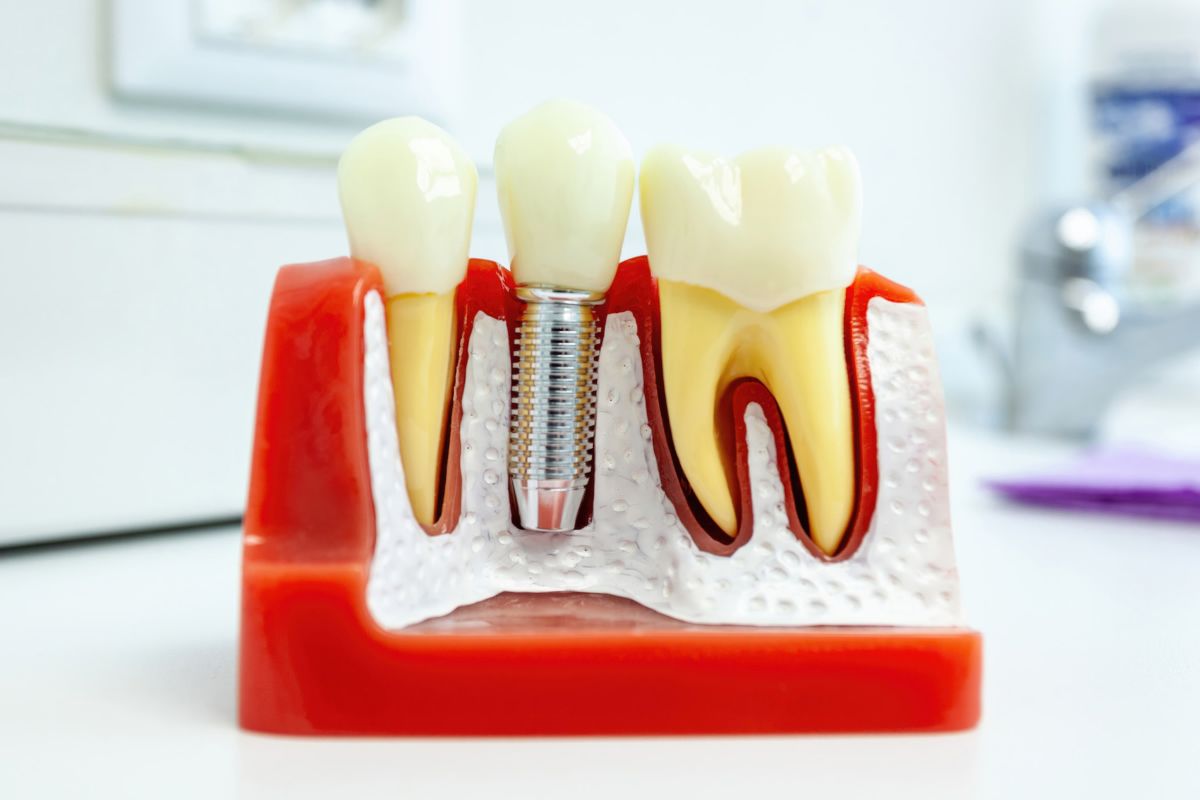
Dental implants require sufficient bone for stable placement. When the jawbone becomes too narrow or shallow, you may need additional grafting to place an implant.
A periodontal examination helps determine whether enough healthy bone remains.
2. Your Gumline May Look Uneven
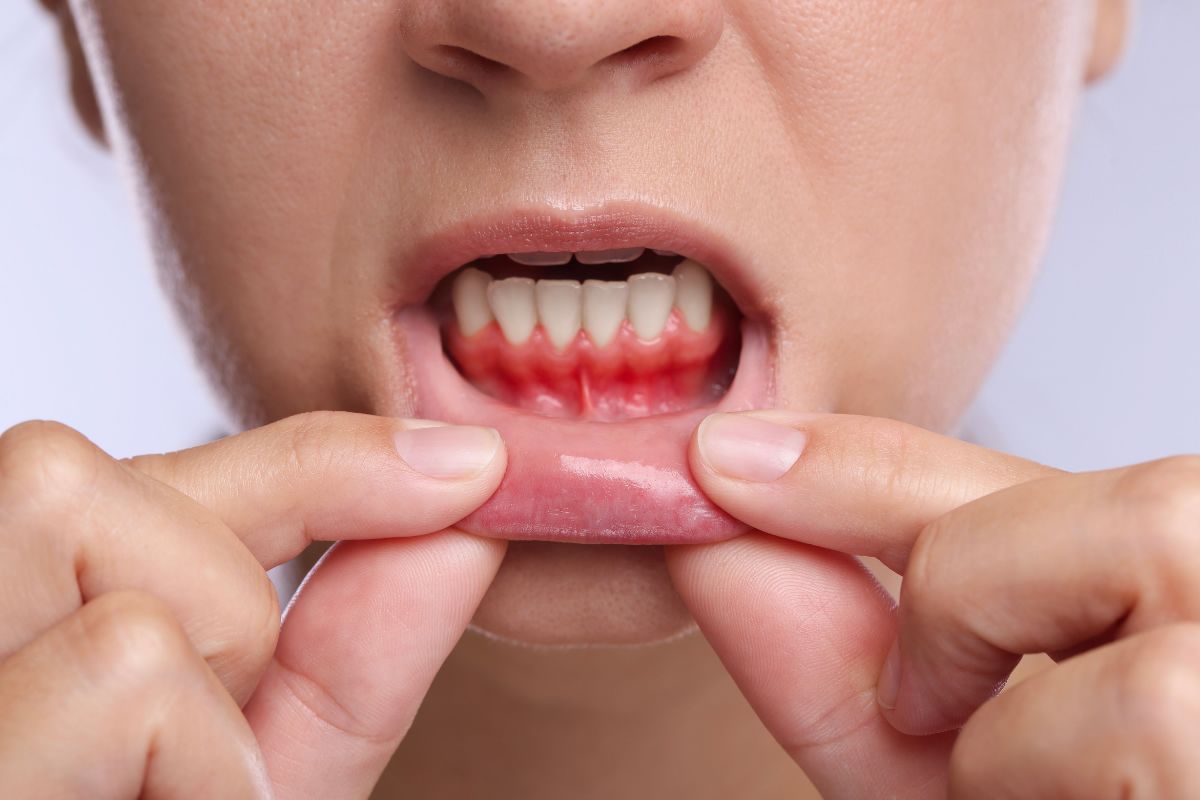
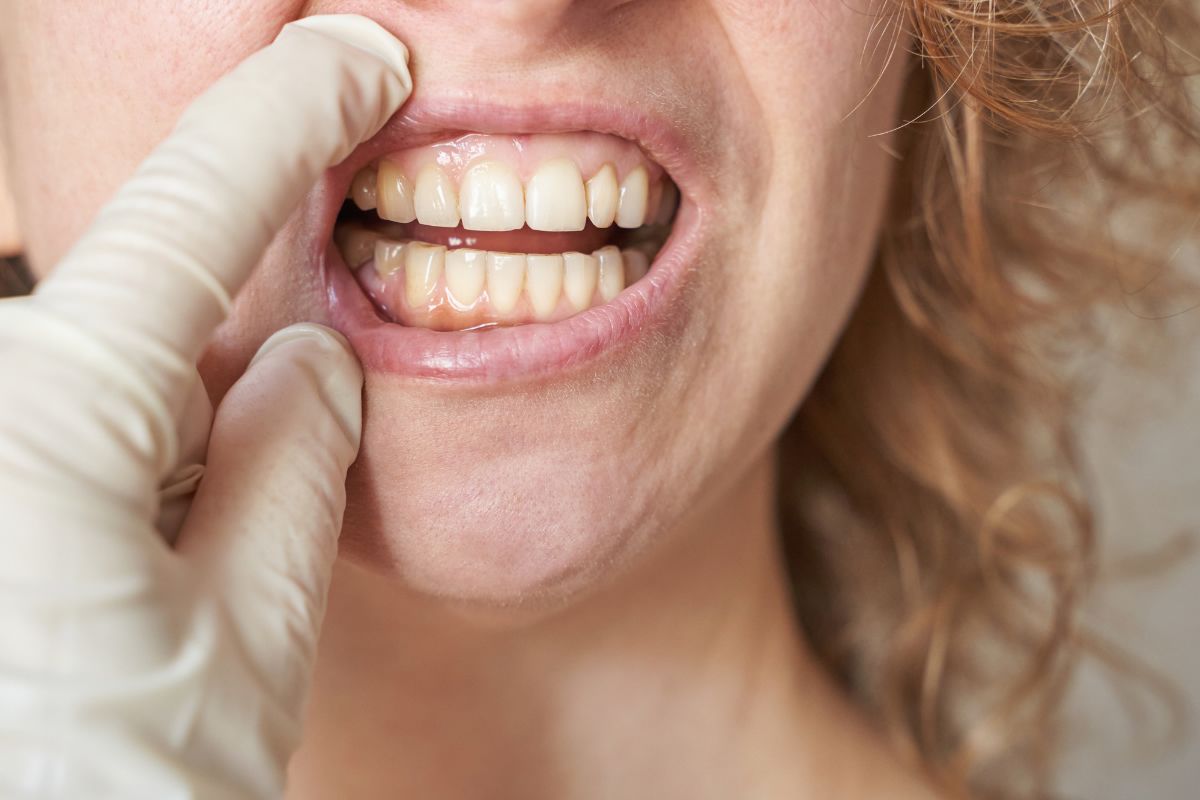
Bone supports the soft tissues surrounding your teeth. When underlying bone shrinks, the gumline may collapse into the extraction space.
This change becomes particularly noticeable when missing teeth are near the front of your mouth.
3. Future Restorations May Become Complicated
Bridges and implant-supported restorations depend on the condition of surrounding oral structures. Significant ridge changes can make it harder to achieve natural-looking results.
However, appropriate site preparation can improve the foundation for restoration.
4. Adjacent Teeth May Shift Position
After tooth loss, neighboring teeth may gradually tilt toward the space. Meanwhile, the opposing tooth may move farther into the gap.
These movements can change your bite and complicate replacement.
Ridge preservation does not prevent tooth movement, so timely restorative planning remains important.
5. Additional Bone Grafting May Become Necessary
When bone loss is substantial, rebuilding the ridge may require a separate augmentation procedure.
This can extend the overall implant treatment timeline.
Early planning may reduce the need for future grafting, although it cannot guarantee prevention.
How Ridge Preservation Protects Your Jawbone
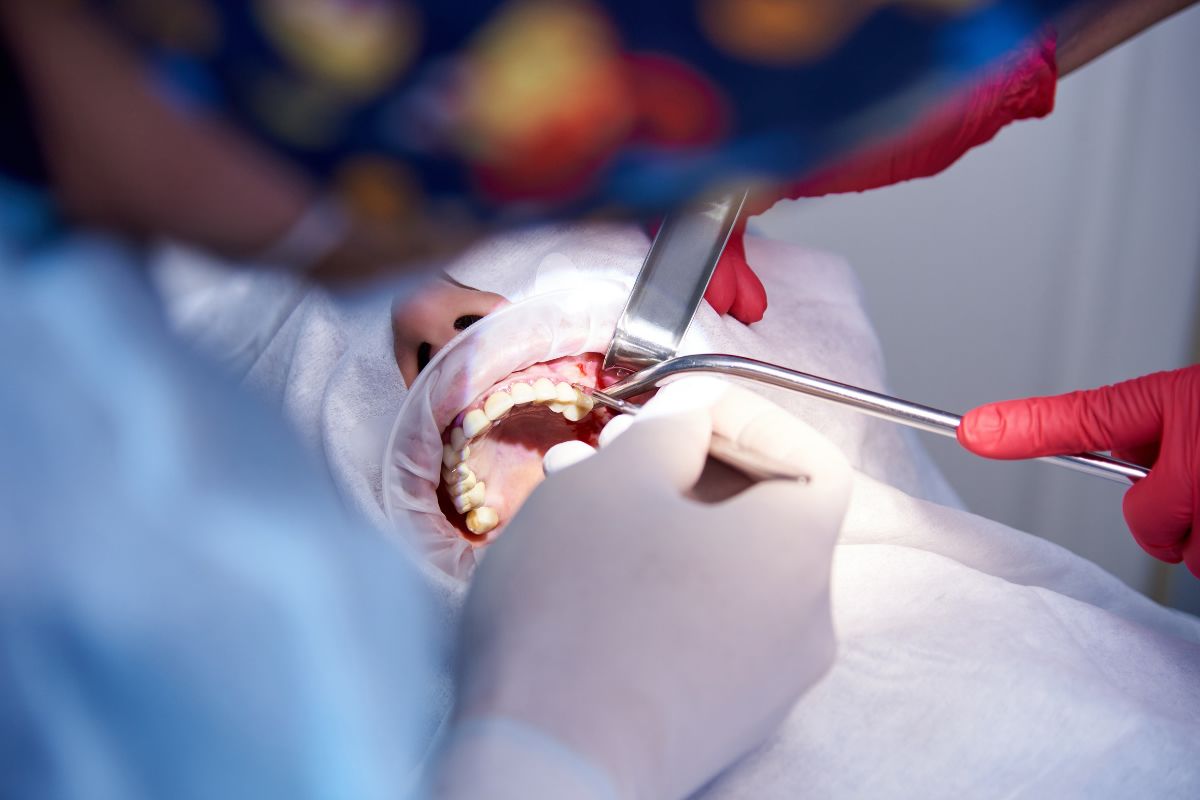
Ridge preservation is a bone grafting procedure performed shortly after tooth extraction.
The purpose is to reduce changes in the extraction socket while supporting natural healing.
First, the periodontist carefully evaluates and cleans the extraction site. Next, the periodontist places bone grafting material into the socket when appropriate.
A protective membrane may also be used to stabilize the graft and support tissue healing.
Over time, the site heals as the graft integrates with new bone. The periodontist then evaluates the area before placing a future implant.
Although ridge preservation cannot completely eliminate bone resorption, it can help maintain more favorable ridge dimensions.
When Should You Consider Ridge Preservation?
The ideal time to discuss ridge preservation is before a planned extraction.
Patients considering dental implants should ask whether preserving the extraction socket would benefit their treatment.
This procedure may be particularly useful when:
- A permanent tooth cannot be saved.
- Dental implant placement is planned later.
- The extraction site has thin surrounding bone.
- A visible tooth requires future replacement.
- An existing infection or bone damage may affect healing.
Not every extraction requires grafting. Our periodontist will examine the site before recommending treatment.
At Mountain Top Periodontics & Implants, we evaluate bone structure and future restoration needs before developing a treatment plan. Our goal is to preserve healthy supporting tissues whenever possible.
What Happens During Bone Graft Recovery?
Mild swelling, tenderness, and limited bleeding may occur during the initial healing period.
The periodontal team will explain how to protect the extraction site and support recovery.
Avoid disturbing the graft with your tongue or fingers. Additionally, follow instructions regarding brushing, rinsing, eating, and physical activity.
Smoking and tobacco use can interfere with healing and increase complications.
Bone maturation generally takes several months. However, the timeline depends on graft material, extraction site, and individual healing factors.
Follow-up examinations help determine when implant treatment can proceed.
Can Existing Jawbone Loss Be Repaired?
Yes, some patients with established bone loss may benefit from ridge augmentation.
Unlike socket preservation, ridge augmentation rebuilds areas where bone volume has already decreased.
The procedure may involve adding bone graft material to increase ridge width or height.
However, treatment depends on the extent of bone loss and nearby anatomical structures.
A clinical examination and appropriate imaging help determine whether grafting is possible.
Patients who lost teeth several years ago should not assume they are ineligible for dental implants.
Protect Your Jawbone Before Tooth Loss
The period following tooth extraction can influence future tooth replacement options. Preserving bone early can simplify treatment and improve conditions for implant placement.
At Mountain Top Periodontics & Implants, we provide ridge preservation evaluations for patients throughout Colorado Springs and nearby communities.
If you need an extraction or are planning dental implants, schedule a consultation to discuss your jawbone health.
Frequently Asked Questions
1. Is bone grafting necessary after every tooth extraction?
No. Some extraction sites heal adequately without grafting. However, patients planning dental implants may benefit from ridge preservation. A periodontal evaluation from our dental office can determine whether the procedure supports your future restoration.
2. How soon should ridge preservation be performed?
Ridge preservation is generally performed during or shortly after tooth extraction. Early treatment helps limit changes in the extraction socket. Discuss grafting options before your scheduled extraction whenever possible.
3. Does ridge preservation make tooth extraction painful?
Local anesthesia helps control discomfort during the procedure. Some tenderness and swelling can occur afterward. The periodontal team can explain pain management and provide instructions for a comfortable recovery.
4. Can I receive dental implants without ridge preservation?
Yes, many patients can receive implants without socket grafting. However, available bone must be evaluated first. If significant resorption has occurred, additional bone grafting may be required before implant placement.
5. How long after bone grafting can I receive implants?
Healing often requires several months, depending on the graft and surrounding bone. The periodontist at our office will assess healing through follow-up examinations and imaging before recommending the appropriate implant placement date.