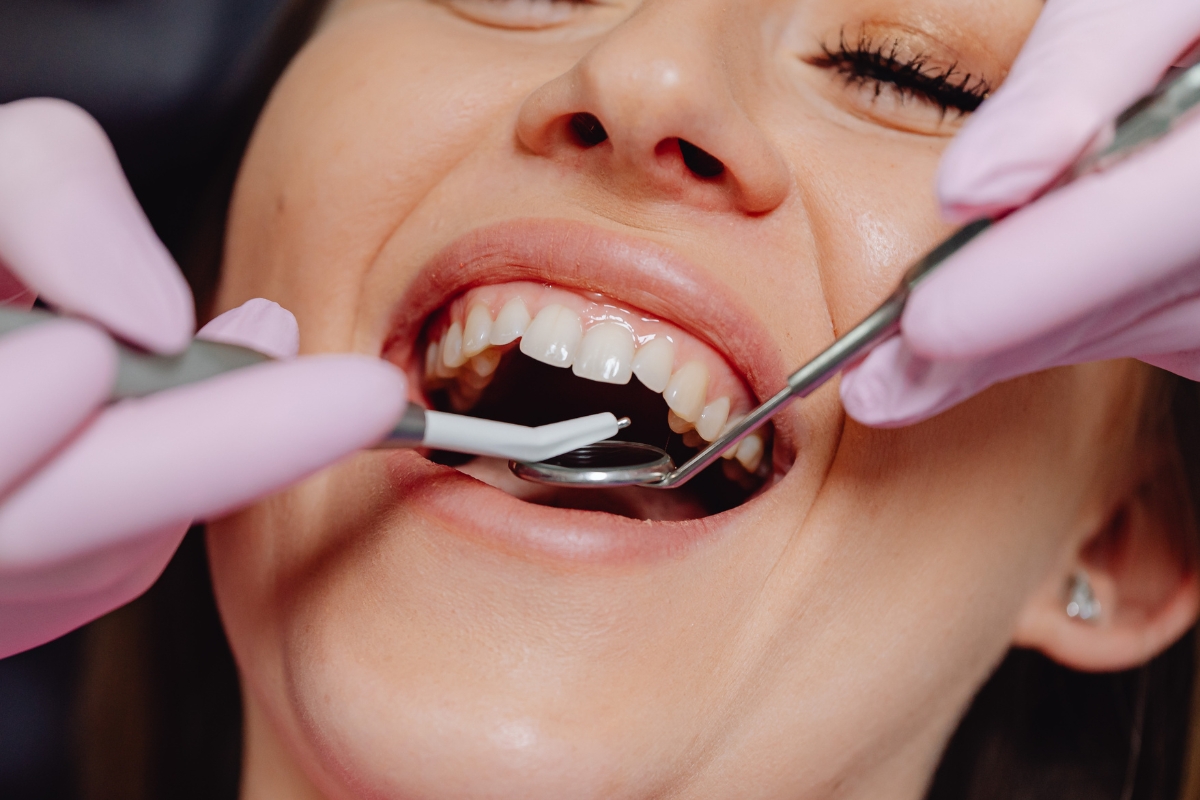
Dental anxiety affects millions of Americans, often preventing them from getting the care they need. If the thought of sitting in a dental chair makes your heart race, sedation dentistry might be the answer you’ve been looking for. Understanding what happens at each stage of the process can help ease your concerns and prepare you for a calm, comfortable experience.
What Is Sedation Dentistry and Why Consider It?
Sedation dentistry uses medication to help patients relax during dental procedures. It’s not just for major surgeries. Many people benefit from sedation for routine cleanings, fillings, or any treatment that causes stress.
There are different levels of sedation available. Minimal sedation keeps you awake but relaxed. Moderate sedation may cause you to slur words and not remember much of the procedure. Deep sedation puts you on the edge of consciousness, while general anesthesia makes you completely unconscious.
Finding a qualified sedation dentist in your area is the first step toward anxiety-free dental care. An experienced sedation dentist can evaluate your medical history, anxiety level, and the type of procedure you need to recommend the best option. According to the American Dental Association, sedation dentistry is safe when administered by trained professionals who follow proper protocols.
The benefits extend beyond comfort. Sedation allows dentists to work more efficiently because patients remain still and calm. This means complex procedures can often be completed in fewer visits, saving you time and reducing overall stress.
Signs You Might Benefit from Sedation Dentistry
Not everyone needs sedation, but certain signs suggest it could help. If you’ve avoided the dentist for years due to fear, sedation might break that cycle. People with a strong gag reflex often struggle through treatments, making sedation a practical solution.
Some patients have had traumatic dental experiences in the past. These memories can create lasting anxiety that makes even simple appointments feel overwhelming. Others have sensitive teeth or difficulty getting numb with local anesthesia alone.
Physical conditions matter too. If you have trouble sitting still for long periods due to back pain or other issues, sedation can make lengthy procedures manageable. Children and adults with special needs also benefit from the calming effects.
The Mayo Clinic notes that discussing your concerns openly with your dentist helps them create a treatment plan that addresses both your dental needs and emotional comfort.
What to Expect Before Your Sedation Appointment
Preparation starts well before you arrive at the office. Your dentist will review your complete medical history, including any medications you take and past reactions to anesthesia. Be honest about your health conditions, as this information keeps you safe.
You’ll receive specific instructions about eating and drinking. Most sedation types require fasting for several hours before your appointment. This reduces the risk of nausea and other complications.
Arrange for someone to drive you home. Even minimal sedation can affect your reaction time and judgment for several hours. Plan to take the rest of the day off from work or other responsibilities.
Wear comfortable, loose-fitting clothes. Leave jewelry and contact lenses at home. If you’re searching for sedation dentistry greenwood village options, look for practices that provide clear pre-appointment guidance and answer all your questions.
During Your Sedation Dentistry Procedure
When you arrive, the dental team will make you comfortable and review the plan once more. They’ll attach monitoring equipment to track your heart rate, blood pressure, and oxygen levels throughout the procedure.
The sedation method determines how medication is given. Oral sedation involves taking a pill about an hour before treatment. Nitrous oxide, or laughing gas, is inhaled through a small mask. IV sedation works fastest, with medication delivered directly into your bloodstream.
You’ll start feeling relaxed within minutes. The dentist won’t begin work until you’ve reached the appropriate sedation level. Most patients report feeling drowsy and peaceful, with little to no memory of the procedure afterward.
A trained professional monitors you constantly. Modern sedation techniques are remarkably safe when proper protocols are followed. Your dental team adjusts medication levels as needed to keep you comfortable while maintaining your safety.
After Your Sedation Dentistry Visit
Recovery time varies based on the sedation type used. Nitrous oxide wears off quickly, often within minutes. Oral and IV sedation take longer, and you may feel groggy for several hours.
Rest at home after your appointment. Avoid driving, operating machinery, or making important decisions for at least 24 hours. Some people experience mild nausea, headache, or drowsiness as the medication leaves their system.
Eat soft foods initially and stay hydrated. Follow all post-procedure care instructions your dentist provides. Most patients feel normal by the next day and are amazed at how much dental work was completed without stress.
Some temporary memory gaps around the appointment time are normal. This actually helps many people because they don’t recall any uncomfortable moments from the procedure.
Frequently Asked Questions
Is sedation dentistry safe for everyone?
Sedation dentistry is safe for most healthy adults and children when administered by trained professionals. However, pregnant women and people with certain medical conditions may need alternative approaches.
How much does sedation dentistry cost?
Costs vary based on the type of sedation and length of the procedure. Many dental insurance plans cover sedation when medically necessary. Ask your provider for specific pricing.
Will I feel any pain during the procedure?
No. Sedation works alongside local anesthesia to prevent pain. You’ll feel relaxed and comfortable throughout the treatment.
Can I eat before my appointment?
This depends on your sedation type. Your dentist will provide specific fasting instructions, typically requiring no food for 6-8 hours before IV or deep sedation.
How long does it take to recover?
Recovery time ranges from minutes with nitrous oxide to several hours with IV sedation. Plan for a full day of rest to be safe.
What if I have questions about sedation dentistry greenwood village providers?
Research local practices, read reviews, and verify that dentists have proper sedation certifications. The American Academy of Dental Anesthesiology provides resources for finding qualified professionals.
Can sedation dentistry help with my dental phobia?
Yes. Many patients find that positive experiences with sedation help reduce anxiety over time, making future visits easier.
Take the Next Step Toward Stress-Free Dental Care
Dental health affects your overall wellbeing. Don’t let fear keep you from getting the care you deserve. If you’re ready to explore your options, schedule a consultation with a qualified sedation dentist near you who can assess your needs and create a personalized treatment plan. Contact a local dental office today to discuss how sedation dentistry can transform your dental experience from stressful to comfortable.