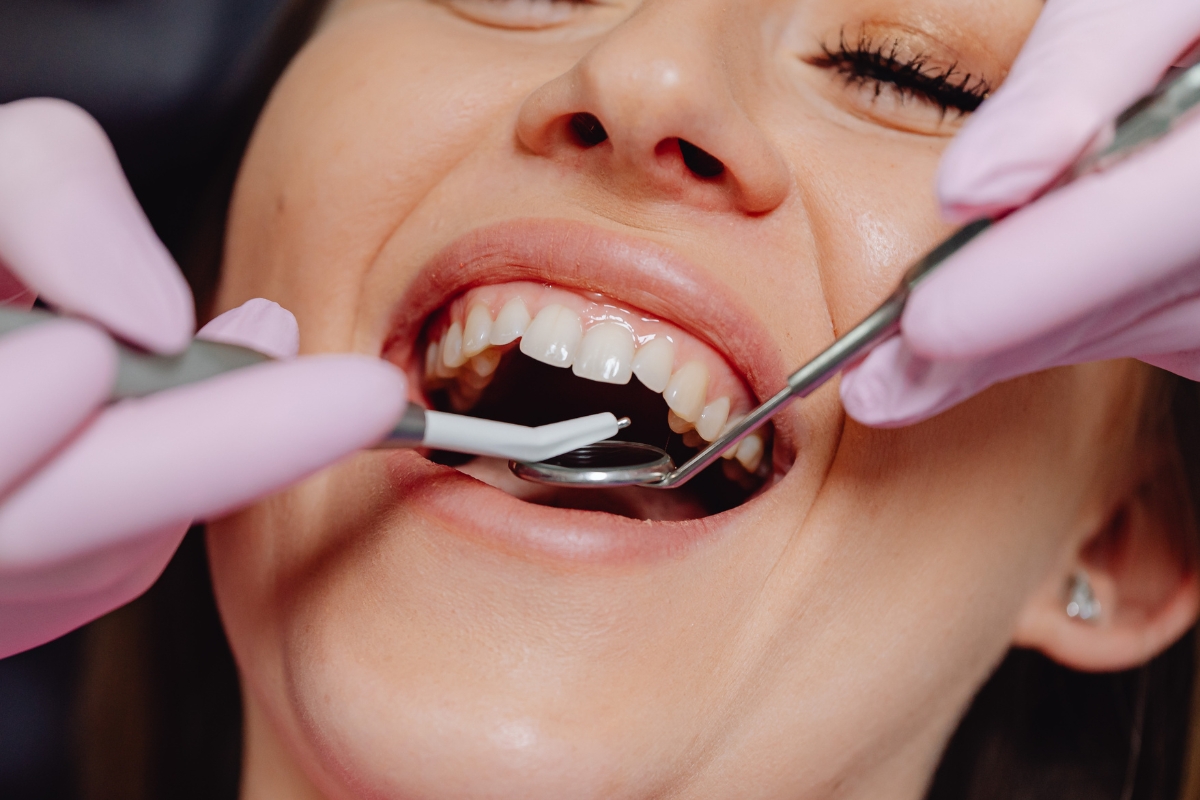
If going to the dentist makes you dread the moment the tools touch the back of your mouth, you are not alone. A strong gag reflex is one of the most common reasons people avoid dental care for years. The good news is that modern dentistry has real solutions, and many patients in Greenwood Village are already benefiting from them. If you have ever typed “sedation dentist near me” into a search bar out of frustration, this article is written for you.
What Is a Gag Reflex and Why Does It Make Dental Visits Hard?
The gag reflex is a natural body response. It protects your airway from foreign objects. For most people, it only triggers under extreme conditions. But for some patients, even a small dental mirror touching the tongue is enough to cause gagging.
This is not a weakness. It is a physiological response, and it varies widely from person to person. Some people have a hypersensitive gag reflex due to anxiety, past trauma, anatomy, or even habitual mouth breathing. Whatever the cause, it makes routine dental care genuinely difficult, and in some cases, impossible without help.
When this happens, necessary treatments get delayed. Cavities grow. Gum disease spreads. What started as a small problem becomes a costly one.
How Sedation Changes the Experience
Sedation works by calming the central nervous system. When your body is relaxed, the gag reflex becomes far less reactive. The muscles in your throat loosen. The automatic response to stimulation decreases. This lets your dentist work more comfortably and thoroughly.
At Mountain Top Periodontics & Implants in Greenwood Village, sedation is used to help patients who otherwise could not sit through full procedures. It is not about putting you to sleep in most cases. It is about getting your body to a calm state where dental work becomes possible.
There are a few types of sedation commonly used for gag-reflex patients:
Nitrous Oxide (Laughing Gas)
This is the mildest option. You breathe it through a small nose mask. Within minutes, your body relaxes, your mind feels at ease, and the gag reflex becomes much less sensitive. It wears off quickly, so you can drive yourself home after.
Oral Sedation
A pill is taken before your appointment. By the time you sit in the dental chair, you are relaxed and drowsy. You are still awake, but your body is calm. The gag reflex is significantly reduced. This works well for moderate sensitivity.
IV Sedation
For severe cases, IV sedation is the most effective. Medication is delivered directly into your bloodstream, producing a deeper level of relaxation. You may have little to no memory of the procedure afterward. This is the right choice for complex cases or patients with extreme gag sensitivity.
You can learn more about sedation options through the American Dental Association’s patient resource page.
Who Benefits Most from Sedation for Gag Reflex?
Not every patient needs sedation. But it is especially helpful for people who:
- Gag during routine cleanings or X-rays
- Have avoided dental care for years because of this issue
- Feel anxious or panicked before appointments
- Need longer or more complex procedures like implants or periodontal treatment
- Have had negative dental experiences in the past
Patients with periodontal disease often require deep cleaning procedures that reach below the gumline. Without sedation, this can be nearly impossible for someone with a strong gag reflex. Sedation makes these treatments safe and effective.
The American Academy of Periodontology offers helpful guidance on what to expect from periodontal treatments and how patient comfort is managed.
Is Sedation Dentistry Safe?
Yes, when administered by a trained provider, sedation dentistry is very safe. Before any sedation is given, your dental team reviews your health history, current medications, and any risk factors. Vital signs are monitored throughout the procedure.
At Mountain Top Periodontics & Implants, patient safety is always the first priority. Every step is handled by professionals trained in sedation protocols.
What to Expect Before and After Sedation
Before your appointment, your dentist will give you clear instructions. For oral or IV sedation, you will likely be told not to eat or drink for several hours beforehand. You will also need someone to drive you home.
After the procedure, most patients feel a little groggy for a few hours. You should plan to rest for the remainder of the day. By the next morning, most people feel completely normal.
The benefits far outweigh the minor recovery time. Patients often say they wish they had tried it sooner.
Tips to Help Manage Gag Reflex Even Without Sedation
While sedation is the most reliable solution, some patients benefit from these additional strategies:
- Breathing through your nose during treatment can reduce gag sensitivity
- Acupressure on the P6 point (inner wrist) has helped some patients
- Salt on the tongue before appointments is an older technique some find helpful
- Distraction techniques like music or focusing on a fixed point can help with mild cases
For moderate to severe gag reflex, though, these tips often are not enough on their own. Sedation remains the most dependable path to getting dental work done comfortably. For anyone still searching for a “sedation dentist near me,” talking to a specialist is always the right next step.
Frequently Asked Questions
1. Will sedation completely stop my gag reflex? In most cases, yes. Sedation significantly reduces or eliminates the gag reflex response, depending on the type and dosage used.
2. Is sedation only for people with dental anxiety? No. Sedation is regularly used for patients with a strong gag reflex, even if they are not anxious. The two issues can exist separately.
3. How do I know which type of sedation is right for me? Your dentist will evaluate the severity of your gag reflex, your health history, and the type of procedure needed before making a recommendation.
4. Can children receive sedation for gag reflex issues? Yes, pediatric sedation is available. The type and dosage differ from adults. A pediatric dental specialist should be consulted.
5. Will I remember anything after IV sedation? Most patients have little to no memory of the procedure. This is normal and expected with IV sedation.
6. Does insurance cover sedation dentistry? Coverage varies. Some plans cover sedation for medical necessity. It is best to check with your insurance provider and dental office directly.
7. How long does oral sedation last? The effects of oral sedation can last several hours. You should not drive or operate machinery for the rest of the day after taking it.
Conclusion: You Do Not Have to Keep Avoiding the Dentist
A strong gag reflex should not stand between you and a healthy mouth. With the right sedation approach, even the most sensitive patients can get through dental procedures calmly and comfortably.
If you have put off care because of this issue, now is the time to take action. Schedule a consultation with a trusted periodontal specialist who understands your concerns. The team at Mountain Top Periodontics & Implants in Greenwood Village is ready to help you find the right solution.
Do not wait until a small issue becomes a serious one. Contact a local dental office today and ask about sedation options. The right care is closer than you think.