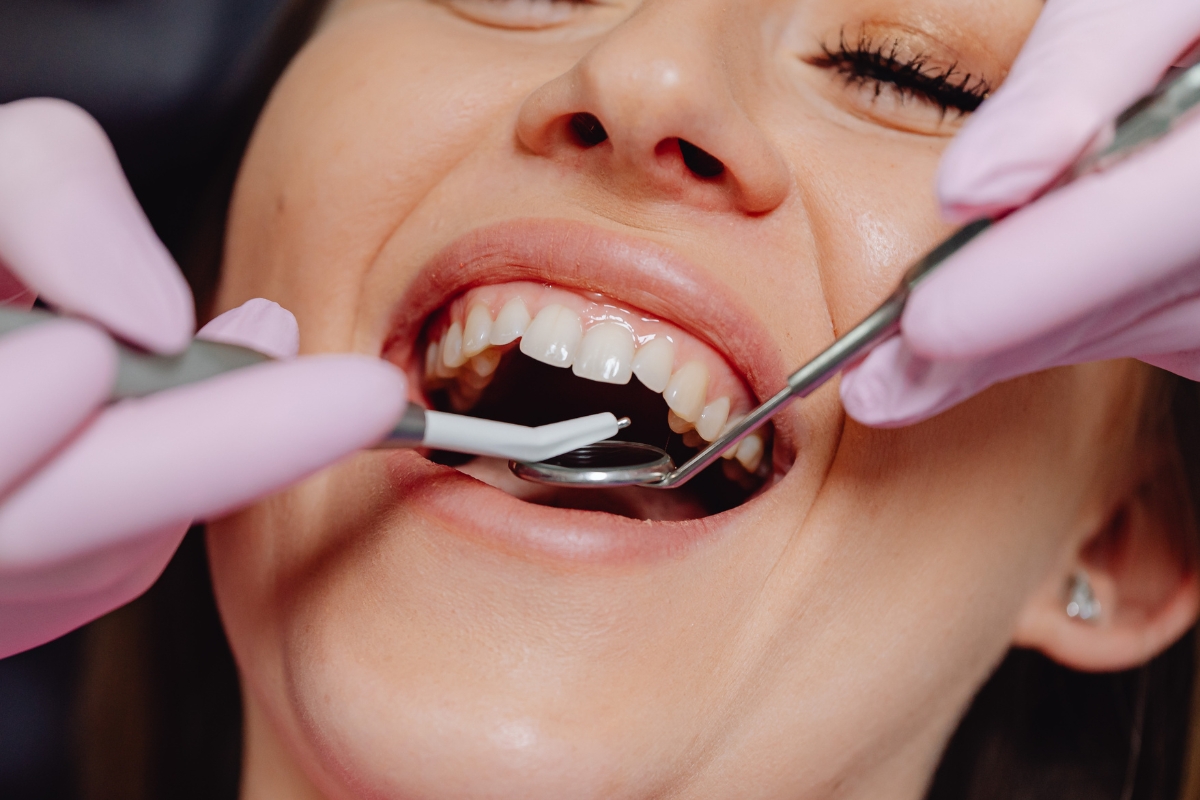
Dental anxiety is real. For many people, just scheduling an appointment feels like the hardest part. If fear or nerves have kept you from getting the care you need, sedation dentistry might be the answer you’ve been looking for.
This guide walks you through exactly what happens, what to expect, and how to feel ready before your first sedation dental visit.
What Is Sedation Dentistry?
Sedation dentistry uses safe medication to help you relax during dental procedures. It’s not the same as being fully unconscious (unless general anesthesia is used). Most patients remain awake but feel calm, comfortable, and largely unaware of what’s happening around them.
It’s commonly used for routine cleanings, fillings, tooth extractions, implant placements, and specialized care like gum disease treatment near me searches often lead patients to seek out, especially when the procedure requires multiple steps or extended chair time.
Who Is It For?
Sedation is a good fit if you:
- Feel strong anxiety before or during dental visits
- Have a sensitive gag reflex
- Need a lengthy or complex procedure done
- Have had a bad dental experience in the past
- Require specialized care from a periodontist for gum-related conditions
It’s not just for people with extreme fear. Many patients choose it simply for comfort.
Types of Sedation You Might Be Offered
Nitrous Oxide (Laughing Gas) This is the lightest option. You breathe it through a small mask and feel relaxed within minutes. It wears off quickly, so most patients can drive home after.
Oral Sedation A pill taken before your appointment. It makes you drowsy but keeps you conscious. You’ll need someone to drive you home.
IV Sedation Delivered directly into the bloodstream, this works faster and gives the dental team more control. Often used for more complex procedures, including those managed by a periodontist dealing with advanced gum conditions.
General Anesthesia The deepest form. Used rarely, mostly for surgical cases or patients with severe anxiety. You’ll be fully unconscious and monitored throughout.
Before Your Appointment: What to Do
Your dental office will give you specific prep instructions. Here’s a general picture of what to expect:
- Avoid food and drink for several hours before (especially if using IV sedation or general anesthesia)
- Arrange for a trusted person to drive you to and from the office
- Wear loose, comfortable clothing
- Let the team know about all medications you take, including supplements
- Ask questions. There are no silly ones.
If you’re receiving gum disease treatment near me as part of a bigger treatment plan, your care team will likely explain how sedation fits into each phase of your care.
During the Procedure
Once sedation takes effect, most patients report the same thing: time flies. A two-hour procedure can feel like twenty minutes. You won’t feel pain. You may hear voices or soft sounds but won’t feel distressed by them.
Your dental team monitors your heart rate, oxygen levels, and breathing throughout the entire visit. Safety is the top priority, regardless of the type of sedation used.
After Your Appointment: The Recovery Period
The time it takes to fully recover depends on the type of sedation used.
- Nitrous oxide: Recovery within 15 to 30 minutes
- Oral sedation: Grogginess may last several hours
- IV sedation or general anesthesia: Full recovery can take 24 hours or more
Plan to rest the day of your procedure. Avoid driving, cooking, or making important decisions until the medication has cleared your system. Eat light, soft foods and follow any post-care instructions from your provider closely.
Frequently Asked Questions
Is sedation dentistry safe? Yes, when administered by trained dental professionals. Your health history is reviewed carefully before sedation is chosen.
Will I remember anything? With deeper sedation options, most patients remember very little or nothing. With nitrous oxide, you’ll likely remember the visit but feel relaxed throughout.
Can I use sedation for a regular cleaning? You can. It’s your comfort that matters, not the complexity of the procedure.
Does insurance cover sedation dentistry? Coverage varies. Some plans cover sedation for surgical procedures. Call your provider to confirm.
Can a periodontist offer sedation dentistry? Many periodontal practices, including those focusing on gum disease treatment near me, do offer sedation options. Always ask during your consultation.
What if I take regular medication? Tell your dental provider everything you take. Some medications interact with sedatives and adjustments may be needed.
Is sedation dentistry the same as sleep dentistry? Not exactly. “Sleep dentistry” is a casual term. In reality, most sedation keeps you lightly conscious. True sleep refers only to general anesthesia.
Conclusion
Sedation dentistry removes one of the biggest barriers to getting consistent, quality dental care. Whether you need a simple cleaning or a more advanced procedure with a periodontist, you have real options for making the experience comfortable and stress-free.
If you’ve been putting off care, now is the right time to take that step. Schedule a consultation with Mountain Top Periodontics & Implants in Greenwood Village to talk through your options. You can also contact a local dental office near you to ask whether sedation is available and what type best fits your situation.
Your comfort matters. And the right care team will make sure you feel that from the very first visit.