Missing teeth create daily challenges, from difficulty chewing your favorite foods to feeling self-conscious about your smile. If you smoke, you might worry that your tobacco habit disqualifies you from permanent tooth replacement. Many patients ask whether tobacco use completely rules out restoring their smile. At Mountain Top Periodontics & Implants based in Colorado Springs, we believe every patient deserves clear answers regarding their options. The short answer is yes: smokers can receive successful tooth restorations, but tobacco use introduces specific biological hurdles that require proper planning and clinical care.
If you are looking for long-term solutions for missing teeth, securing dental implants in Colorado Springs remains achievable with the right periodontal support. Understanding how tobacco impacts your mouth helps you take control of your oral health and work toward a strong smile.
The Core Challenge: How Tobacco Affects Your Mouth and Bone Healing
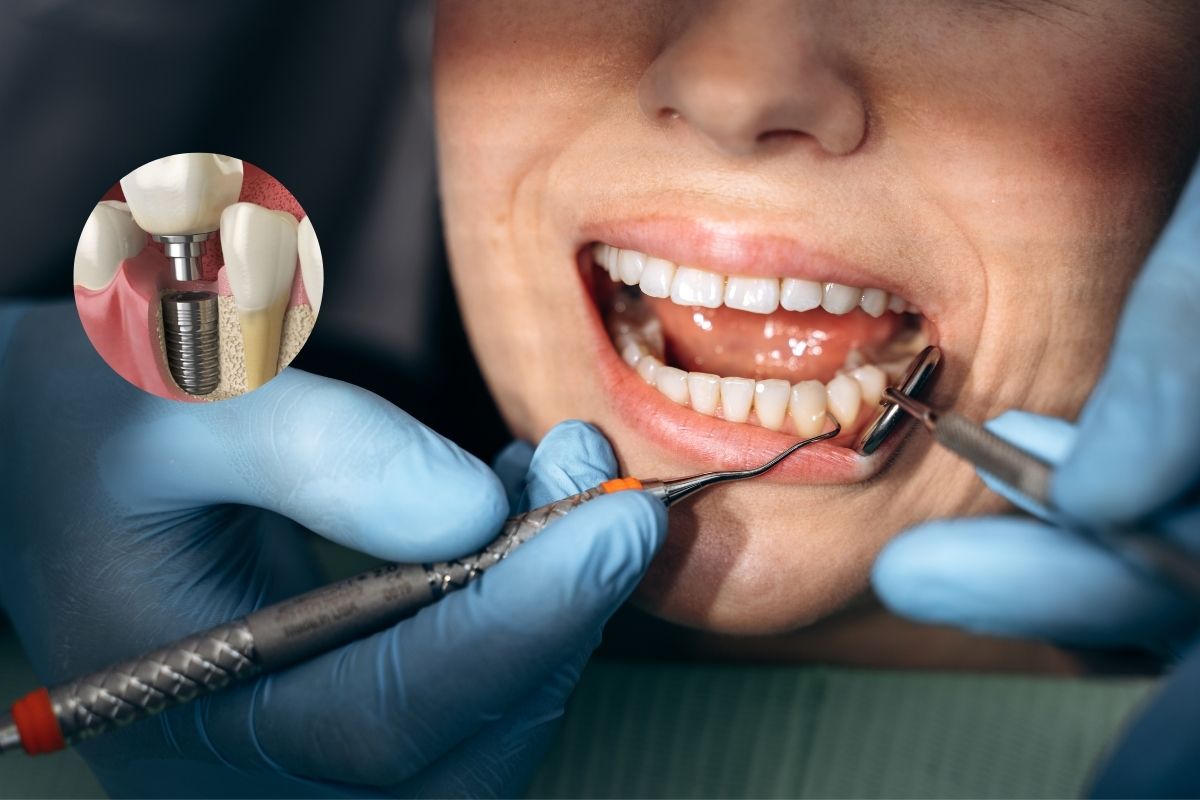
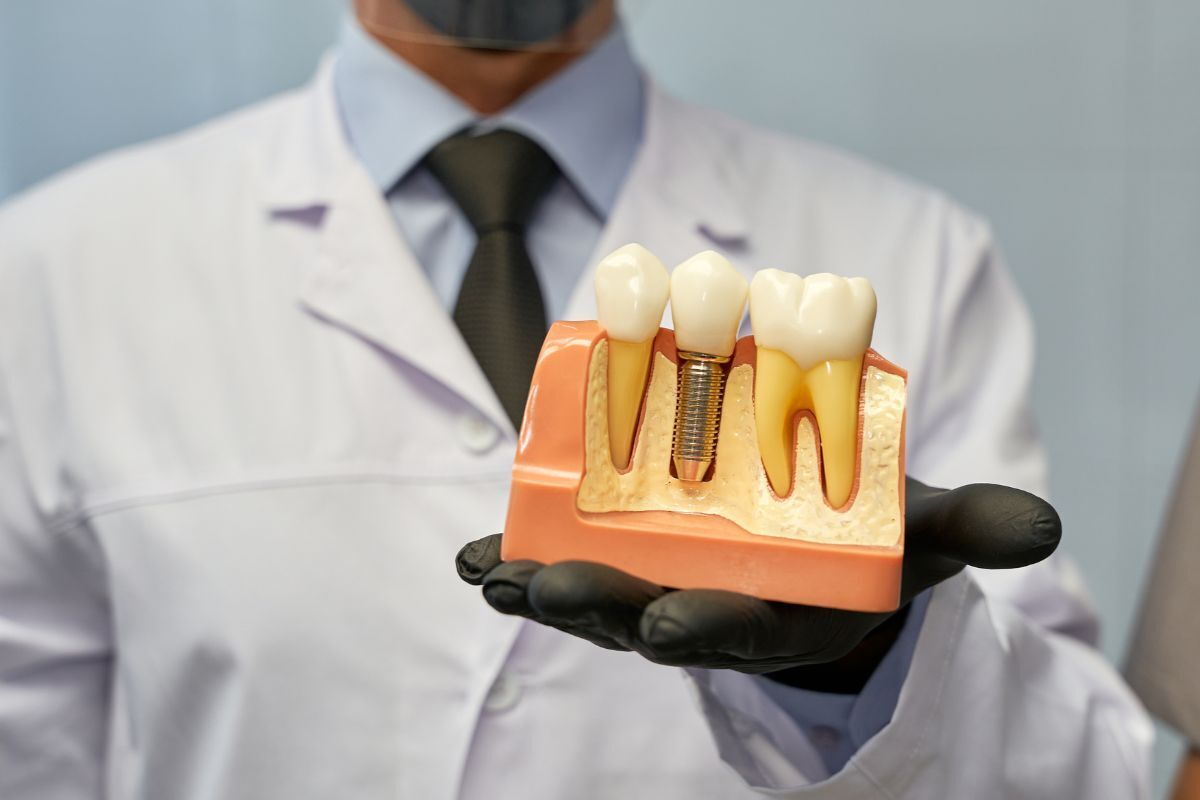
To understand why smoking influences treatment, it helps to review how permanent tooth replacements function. When a titanium post is placed in your jawbone, a natural process occurs in which the surrounding bone fuses directly to the post. This biological bond provides the stability needed to support a crown, bridge, or full arch.
Smoking creates several obstacles to this natural bonding process:
- Reduced Blood Circulation: Nicotine causes blood vessels in your gums to constrict. This restriction reduces the supply of oxygen and crucial nutrients to the surgical area, slowing recovery.
- Impaired Bone Integration: Tar and chemical toxins alter normal cell function in the jawbone. When bone cells cannot reproduce efficiently, the jawbone struggles to form a firm attachment around the post.
- Weakened Immune Response: Inhaled smoke weakens white blood cells in the mouth. This reduced defense makes it harder for your body to ward off oral bacteria during recovery.
- Increased Risk of Peri-Implantitis: Smokers face higher rates of inflammation in the surrounding gum tissue. Left unmanaged, this bacterial condition causes localized bone loss and can threaten the stability of the restoration.
Can Smokers Still Be Strong Candidates?
A history of smoking does not automatically mean you are ineligible for treatment. Every mouth is unique, and candidacy depends on overall jawbone density, gum tissue quality, and systemic health. While research shows that non-smokers experience higher success rates, thousands of active smokers receive permanent tooth replacements successfully every year.
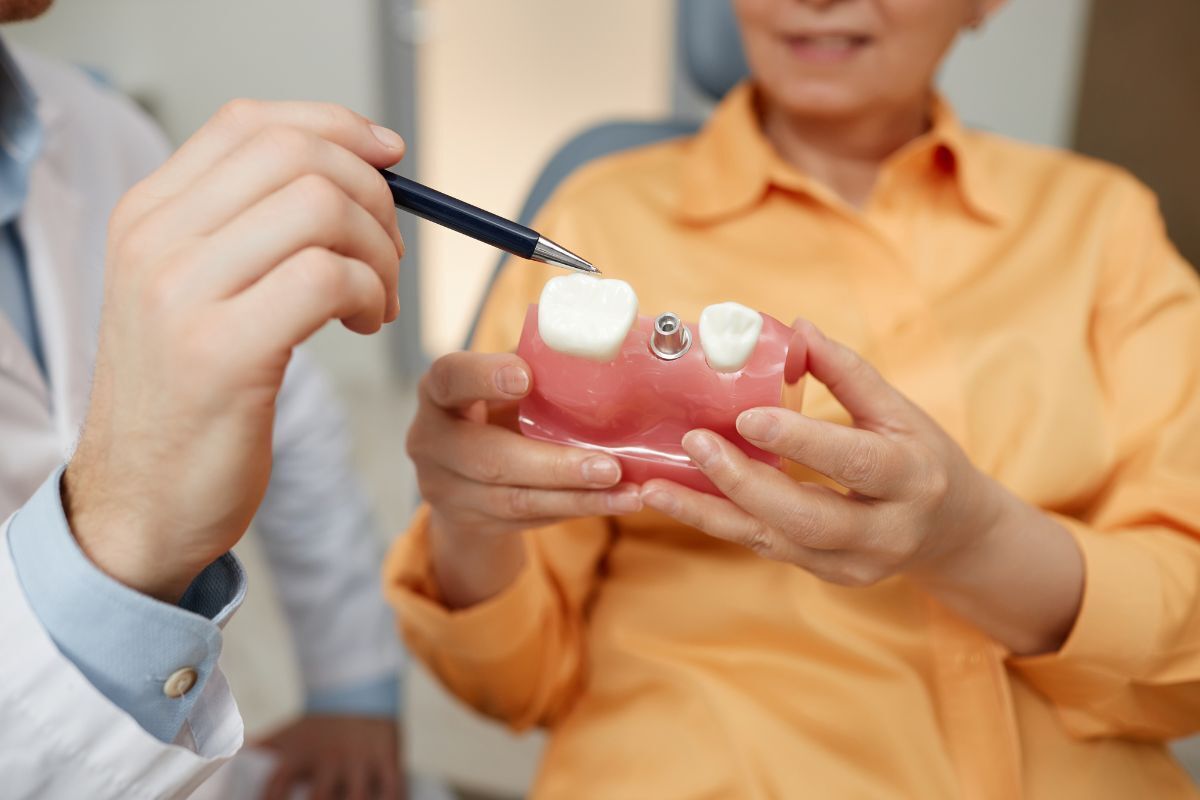
To maximize your results, a thorough evaluation is essential. Periodontal professionals assess your jaw structure using advanced 3D imaging to determine whether bone volume is sufficient or if preliminary procedures can improve your foundation.
Steps to Maximize Treatment Success as a Smoker
If you smoke and wish to replace missing teeth, taking specific preventative measures significantly improves your outcome.
1. Utilize a Temporary Tobacco Pause
You do not necessarily need to quit permanently to achieve a successful outcome, though stopping completely offers the greatest benefits for your overall health. Pausing smoking for two weeks prior to placement and at least two to eight weeks after surgery allows early blood clot formation and tissue recovery to progress without nicotine restriction.
2. Practice Daily Oral Care
Bacterial management is critical. Brushing twice daily, flossing thoroughly, and utilizing prescribed antimicrobial rinses help keep harmful bacteria away from healing gum tissue.
3. Consider Bone Grafting Procedures
If long-term smoking has contributed to structural bone loss, supplemental bone grafting can rebuild lost volume. Rebuilding this support structure provides a solid base before placing dental implants in Colorado Springs.
4. Schedule Regular Clinical Screenings
Frequent follow-up visits allow your periodontist to inspect the surrounding gums, monitor tissue connection, and clean hard-to-reach areas before minor complications turn into serious setbacks.
Restoring Function and Rebuilding Confidence
Choosing to replace missing teeth improves overall chewing ability, supports facial structures, and prevents remaining teeth from shifting out of alignment. While smoking requires extra caution and structured care, tobacco users do not have to accept tooth loss as permanent. Partnering with a periodontist who understands bone health and soft tissue management ensures your treatment plan accounts for your lifestyle habits.
When you are ready to evaluate your options for dental implants in Colorado Springs, professional guidance helps you navigate every phase safely. Before starting treatment, plan to visit our dental office so our clinical team can examine your gums, measure jawbone density, and develop a strategic plan tailored to your health history.
Contact our practice today to book an appointment for a personal consultation in Colorado Springs.
Frequently Asked Questions
How Long Must I Stop Smoking Before And After Surgery?
Most periodontists recommend pausing tobacco use for at least one to two weeks before placement and four to eight weeks afterward. This window allows critical initial blood flow and tissue recovery without nicotine restricting circulation.
Does Vaping Carry The Same Risks For Tooth Replacement As Traditional Smoking?
Yes, vaping carries similar risks because e-cigarette vapor still delivers nicotine into the bloodstream. Nicotine restricts blood vessels in gum tissue and delays bone bonding regardless of how it is consumed.
What Happens If I Smoke During The Healing Period?
Smoking during recovery slows tissue closure, increases early discomfort, and raises the likelihood of bacterial infection around the surgical site. It can also delay bone fusion, leading to loose posts or early treatment failure.
Can Bone Grafting Be Performed If I Am An Active Smoker?
Yes, bone grafting can be performed, though tobacco use reduces overall healing efficiency. Pausing smoking during the initial grafting phase helps ensure the added material integrates fully into your jaw.
What Are The Main Warning Signs Of Complications For Smokers?
Key warning signs include persistent bleeding, severe localized pain, swollen or dark-red gums, an unpleasant odor near the restoration, or any movement in the post. Contact your specialist promptly if you notice these symptoms.