Missing teeth do more than alter your smile; they trigger invisible changes beneath your gums. Over time, the area of the jawbone that once anchored natural tooth roots begins to deteriorate, a natural biological process known as bone resorption. When patients discover they have suffered jawbone deterioration, their first question is almost always: “Can I still get dental implants if I have bone loss?”
While severe bone loss introduces extra considerations, modern periodontal techniques make it entirely possible to rebuild missing structure and successfully place stable, long-lasting restorations.
At Mountain Top Periodontics & Implants – Denver, board-certified specialist Dr. Adam Weaver utilizes state-of-the-art diagnostic imaging and advanced bone regeneration protocols to help patients overcome bone deficiencies and achieve permanent, beautiful smiles.
Understanding Jawbone Loss and Its Root Causes
To understand how we place implants in areas with jawbone depletion, it helps to understand why bone loss happens in the first place. Your jawbone depends on daily stimulation from chewing and biting forces. When natural tooth roots transmit those forces through the periodontal ligament, it signals your body to keep the bone dense and healthy.
When a tooth is lost or extracted, that vital stimulation ceases immediately. Within the first year following a tooth extraction, the surrounding alveolar bone can lose up to 25% of its width, continuing to shrink gradually over time.
Several factors accelerate jawbone deterioration:
- Untreated Periodontal Disease: Advanced gum disease is the leading cause of adult tooth loss and bone destruction. Bacteria destroy the soft tissues and supporting bone structures surrounding your teeth.
- Long-Term Missing Teeth: The longer an area goes without a tooth root or implant, the more bone volume dissolves.
- Denture Wear: Traditional removable dentures sit on top of the gums. They do not stimulate underlying bone and can actually accelerate jawbone wear due to constant friction.
- Trauma or Facial Injury: Severe impact to the mouth can fracture the surrounding jawbone, causing permanent structural loss.
- Developmental Defects or Medical Conditions: Conditions like osteoporosis or systemic hormonal changes can reduce overall bone density throughout the body, including the jaw.
Why Is Bone Density Vital for Implants?
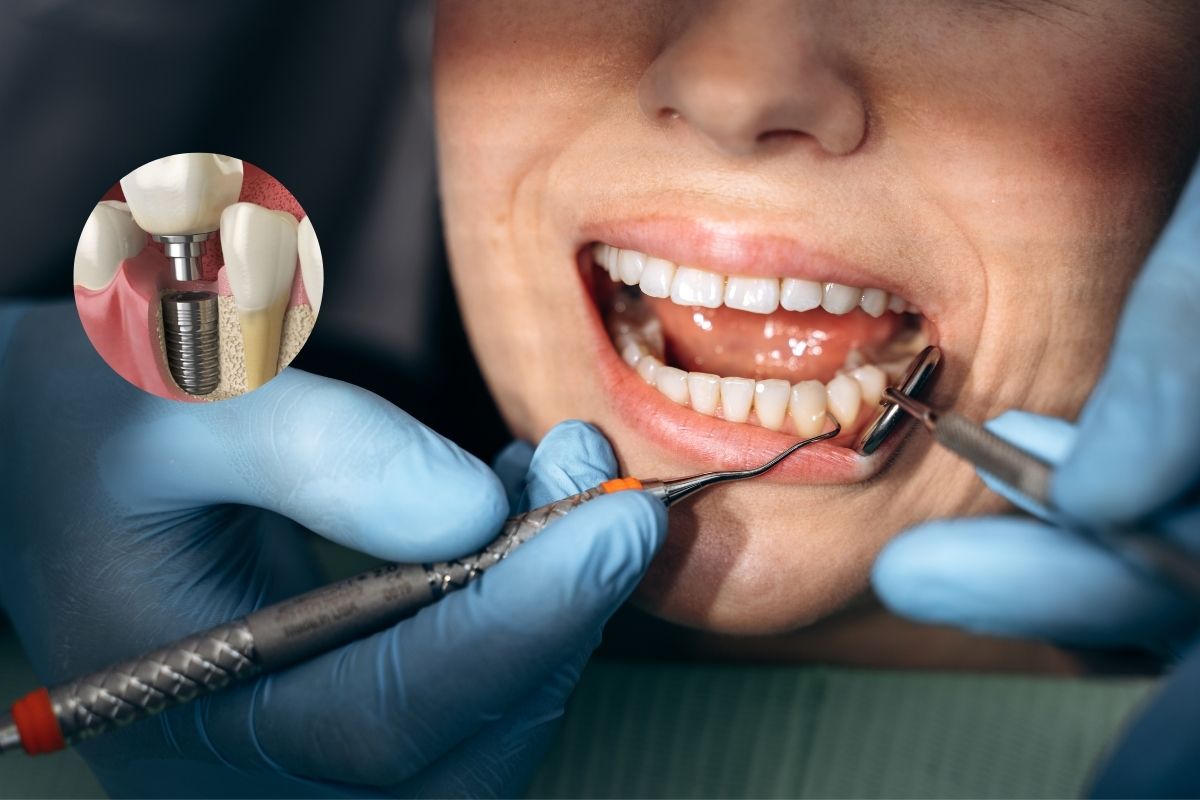
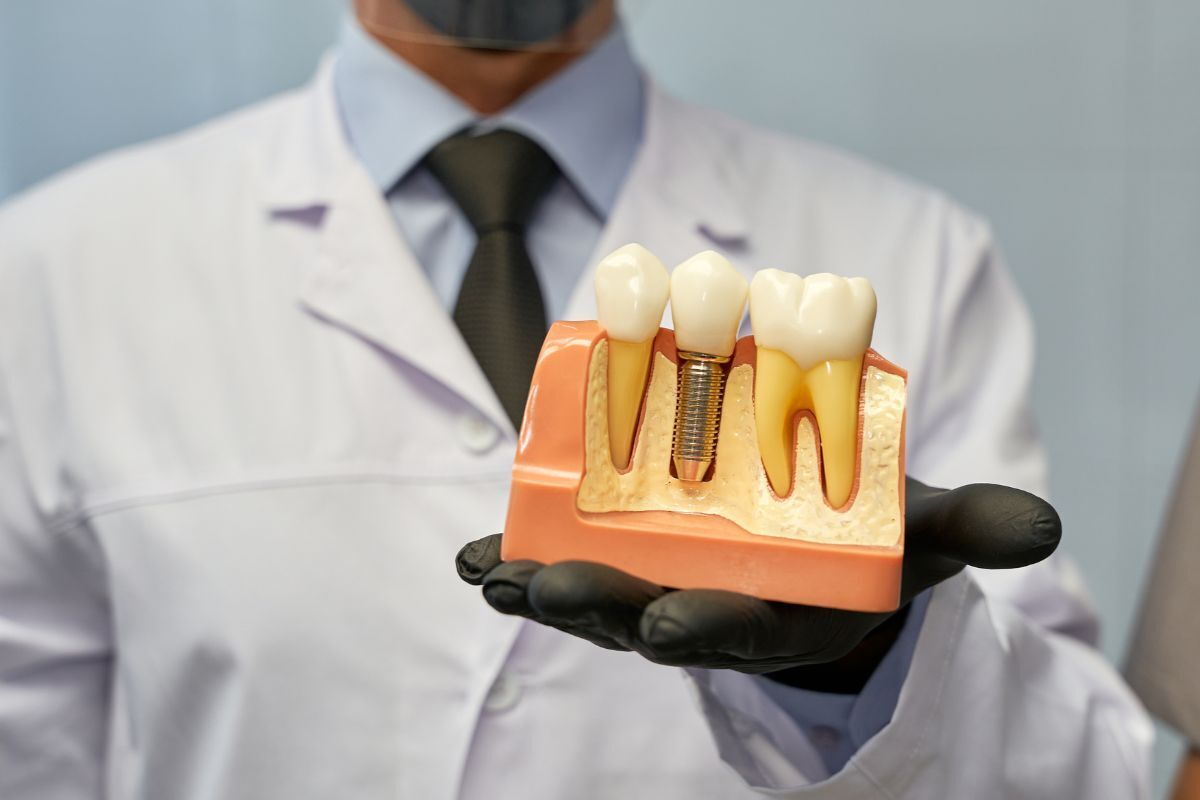
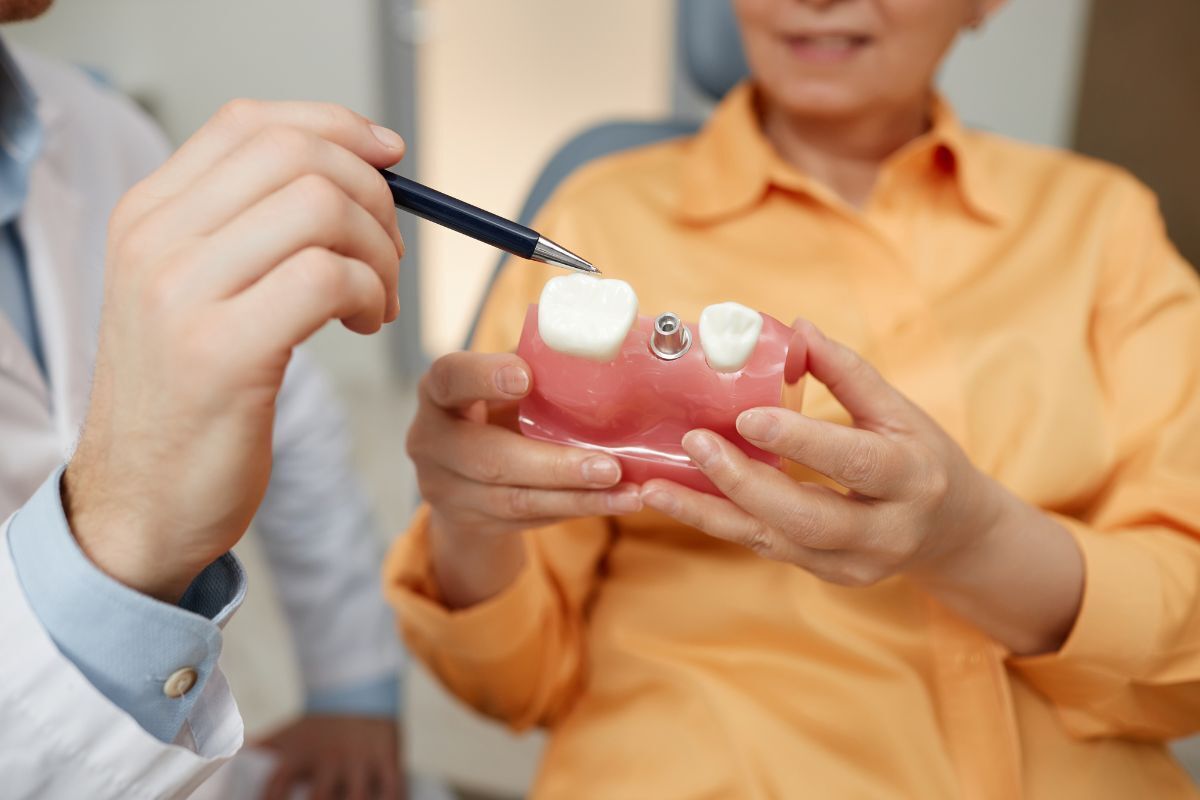
An implant is composed of a biocompatible titanium post that functions as a synthetic tooth root. Through a biological process called osseointegration, your natural bone fuses directly to the titanium surface over a period of months, creating an unbreakable anchor for a crown, bridge, or full arch bridge.
For osseointegration to succeed, the implant post must be completely surrounded by strong, healthy bone volume. Without adequate height and width:
- The implant lacks initial stability: It may shift under biting forces.
- Nerves or sinus cavities may be compromised: Lower implants require safe clearance from the inferior alveolar nerve, while upper implants must avoid penetrating the maxillary sinus cavity.
- Long-term success rates decline: Insufficient structural support can lead to premature implant failure or peri-implantitis.
Because of these biomechanical needs, receiving high-quality dental implants in Greenwood Village begins with a comprehensive digital scan to evaluate the exact volume, depth, and structural density of your remaining jawbone.
How Periodontal Treatments Rebuild Missing Jawbone
Having a thin or recessed ridge does not mean you have to give up on permanent dental restorations. As periodontal specialists, our primary objective is to restore the biological foundation of your mouth through targeted regenerative procedures before or during implant placement.
Bone Grafting
Bone grafting is a highly predictable surgical procedure where specialized grafting material is placed into areas of thin or recessed bone. Over several months, your body uses this scaffold to generate fresh, natural bone tissue.
- Socket Preservation: Performed immediately after a tooth extraction to fill the socket and stop rapid bone collapse.
- Block Bone Grafting: Used when significant bone height or width has been lost, utilizing a small block of bone to rebuild larger structural ridges.
- Guided Tissue Regeneration (GTR): Employs specialized biocompatible membranes to prevent fast-growing gum tissue from invading the space where slower-growing bone needs to form.
Sinus Lift Procedures (Sinus Augmentation)
The upper back jaw presents unique anatomical challenges. When upper molars are missing, the floor of the maxillary sinus drops lower toward the mouth as the jawbone thins out. A sinus lift gently raises the sinus membrane upward and inserts bone grafting material underneath, creating several millimeters of solid ground to anchor secure upper implants.
Ridge Expansion and Augmentation
In cases where the jawbone ridge has narrowed horizontally over time, a periodontist can perform ridge splitting or augmentation. The bone is gently widened, and grafting material is added to build out the precise lateral thickness needed to surround a standard titanium post.
Alternative Placement Techniques for Moderate-to-Severe Bone Loss
In addition to bone regeneration, modern periodontal surgery offers specialized implant designs and strategic placement protocols that maximize existing bone, often reducing or eliminating the need for extensive grafting.
Angled Placement (All-on-4 / Full-Arch Protocols)
For patients missing an entire arch of teeth who have experienced moderate bone depletion, full-arch full-mouth restoration techniques offer a transformative solution. By tilting the posterior implants at precise 35- to 45-degree angles, we can anchor them into denser bone near the front of the jaw, circumventing areas of localized bone loss and eliminating the need for extensive bone grafts.
Zygomatic and Pterygoid Implants
For extreme bone loss in the upper jaw where traditional grafting is difficult, specialized extended implants anchor into denser, non-dental facial structures. Zygomatic implants secure into the cheekbone (zygoma), providing rigid support for full upper restorations without relying on upper jawbone height.
What to Expect During the Implant Process
Restoring missing teeth when you have bone loss requires careful diagnostic mapping, patience, and a step-by-step approach to ensure long-term health and stability.
- Comprehensive Evaluation & 3D Imaging: We capture high-resolution scans to measure your bone density down to the millimeter and map out precise 3D placement guides.
- Preparatory Grafting (If Needed): If severe bone loss is present, we perform grafting or sinus augmentation first. A healing phase of 3 to 6 months allows your body to integrate new bone tissue.
- Implant Surgery: Once sufficient bone density is achieved, titanium posts are surgically placed into the reinforced bone.
- Osseointegration & Healing: Over 3 to 6 months, your jawbone fuses completely with the implant surfaces.
- Final Restoration: A custom-crafted crown, bridge, or fixed denture is attached, restoring full chewing function, aesthetics, and natural jaw structure.
By trusting your treatment to an experienced periodontist, you ensure that every stage from bone reconstruction to surgical placement is managed with surgical precision. Receiving expertly planned dental implants in Greenwood Village gives you a foundation engineered to last a lifetime.
Reclaim Your Confidence at Mountain Top Periodontics & Implants
Bone loss should never keep you from enjoying the function, comfort, and aesthetics of a complete, natural smile. Modern periodontal care allows us to rebuild what time and tooth loss have taken away.
If you have been told in the past that you aren’t a candidate for implant treatment, or if you are seeking a specialized second opinion regarding implant treatment, our team is here to help. Contact Mountain Top Periodontics & Implants – Denver today to schedule your comprehensive consultation with Dr. Adam Weaver.
Together, we will create a tailored treatment plan designed to restore your foundation and bring back your confident smile. Book your appointment today!
Frequently Asked Questions
1. Am I too old to get dental implants if I have bone loss?
Age alone does not prevent you from getting dental implants. As long as you are in good general health and undergo necessary bone grafting, implants can be successfully placed at almost any age.
2. How long does bone grafting take to heal before implant placement?
Bone graft integration typically takes between 3 to 6 months, depending on the extent of the loss. In some minor cases, bone grafting and implant placement can even be performed during the same visit.
3. Is bone grafting for dental implants a painful procedure?
Bone grafting is performed under comfortable local anesthesia or sedation, making the procedure pain-free. Most patients report only mild post-operative discomfort for a few days, easily managed with over-the-counter or prescribed medication.
4. What happens if you try to place a dental implant without enough bone?
Placing an implant without adequate bone support drastically increases the risk of implant failure, nerve damage, sinus perforation, or infection. Proper bone volume is required to ensure long-term stability and function.
5. Can gum disease cause bone loss that prevents dental implants?
Yes, untreated gum disease destroys the jawbone. However, once periodontitis is actively treated and controlled, we can perform bone grafting to rebuild lost bone and create a safe environment for dental implants in Greenwood Village.
6. Are dental implants permanent even if I need a bone graft?
Yes. Once the bone graft heals and osseointegration occurs, the implant becomes a permanent part of your jaw. With proper oral hygiene and regular dental checkups, implants can last a lifetime.