Have you recently noticed that one tooth looks longer than the others? Perhaps your gums appear uneven, or cold drinks suddenly make your teeth uncomfortable.
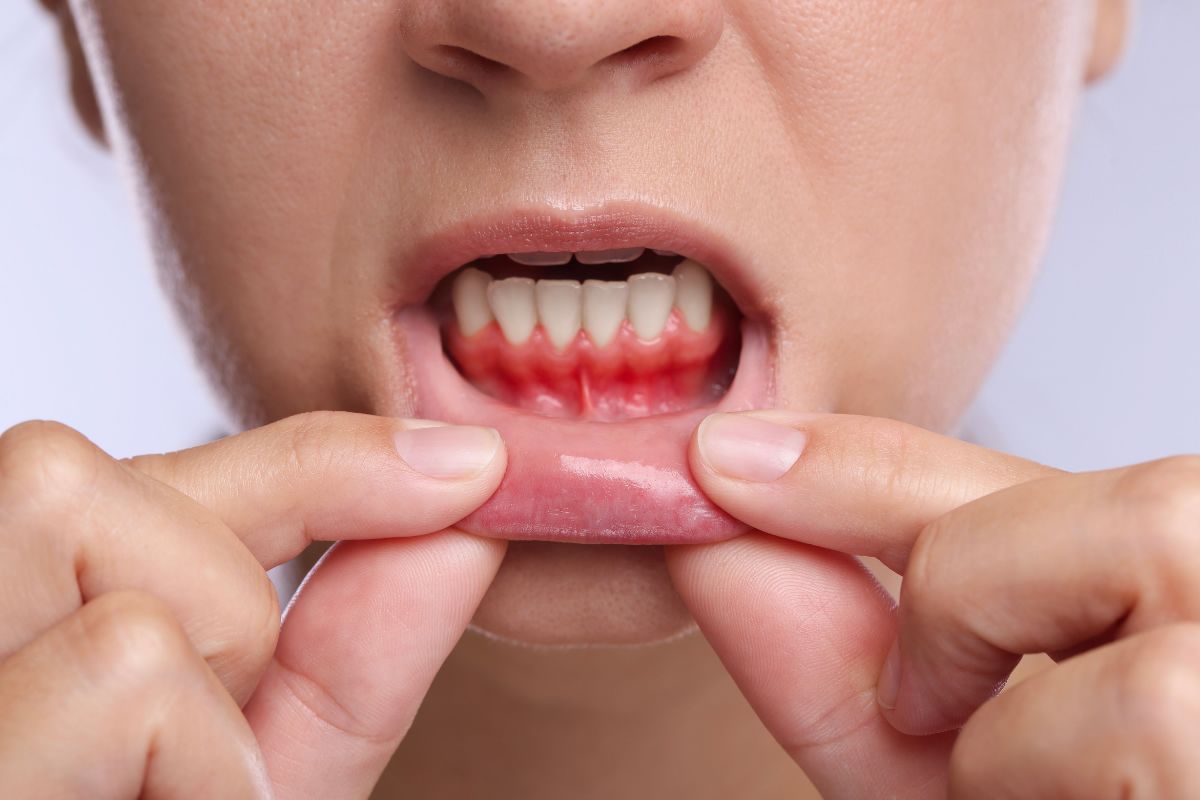
These changes may indicate gum recession, a condition where gum tissue gradually moves away from the tooth’s crown.
Although gum recession develops slowly in many cases, ignoring it can expose tooth roots.
At Mountain Top Periodontics & Implants- Greenwood Village, we help patients identify gum recession and explore appropriate treatment options. An early periodontal evaluation can help protect vulnerable teeth and prevent further tissue damage.
Why Do Teeth Start Looking Longer?
Your teeth do not usually grow longer during adulthood. Instead, the surrounding gum tissue may gradually recede, exposing more of the tooth.
Healthy gums form a protective seal around the teeth and cover much of their roots.
When this tissue moves away, the normally hidden root surface becomes visible.
Unlike tooth enamel, root surfaces have a thinner protective covering called cementum.
Exposed roots can become sensitive to temperature changes, brushing, and certain foods.
They may also develop root cavities more easily.
However, not every uneven gumline requires surgery. A periodontal examination helps determine the cause and appropriate treatment.
Six Warning Signs of Gum Recession
1. Your Teeth Appear Unusually Long
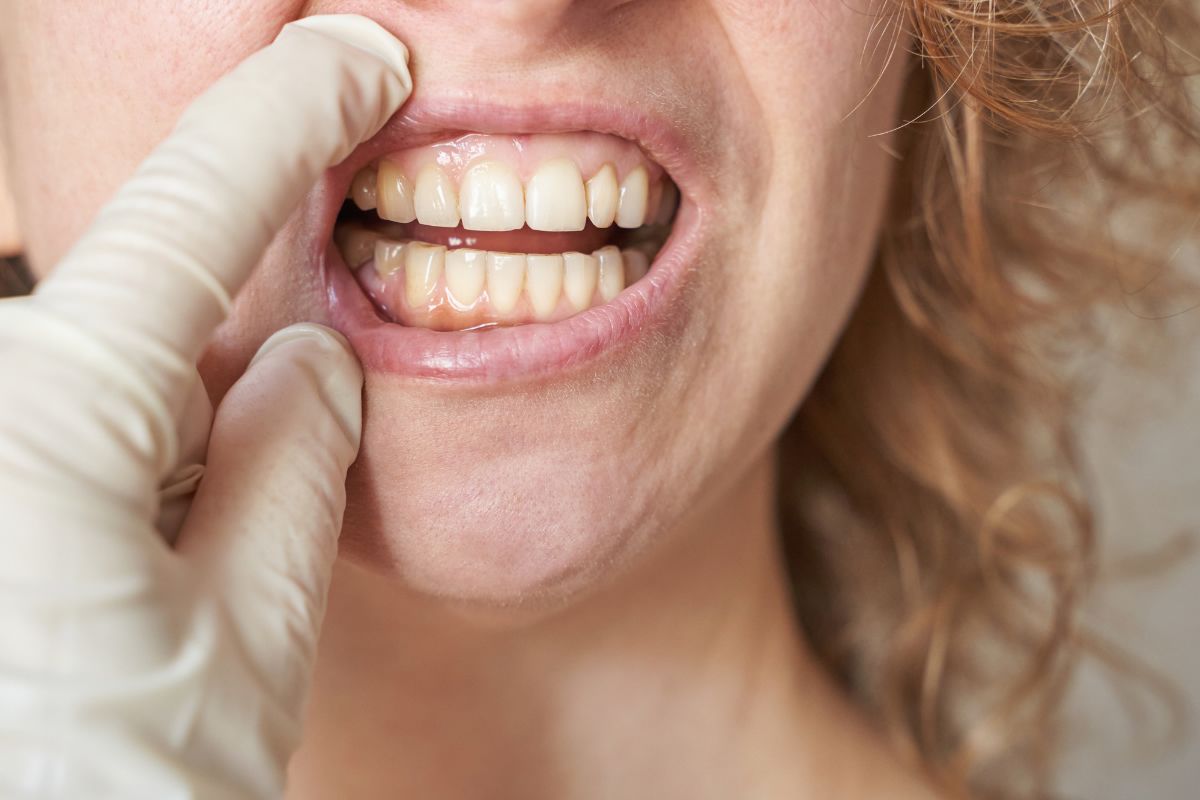
One of the earliest visible signs is a change in tooth proportions.
You may notice a particular tooth looks longer than its neighbors.
This difference often becomes noticeable while brushing or in photos.
2. Cold Drinks Cause Sudden Sensitivity
Exposed tooth roots contain pathways that can transmit temperature sensations toward the tooth’s nerve.
As a result, drinking cold water or breathing cold air may cause sharp discomfort.
However, tooth sensitivity can also result from cavities or enamel wear.
3. Your Gumline Looks Uneven
Healthy gum contours generally follow your teeth’s natural shape.
Recession can create irregular gum margins, particularly around canines and premolars.
Some patients notice these changes long before they cause discomfort.
4. You Notice a Notch Near Your Gums
Wear can develop on exposed root surfaces near the gumline.
These defects sometimes appear as small grooves or notches.
A dental examination can identify whether abrasion, erosion, or other factors contributed to the damage.
5. Brushing Near Your Gums Feels Uncomfortable
Receding gums can make certain tooth surfaces more sensitive.
As a result, routine brushing may become uncomfortable, especially with a hard-bristled toothbrush.
Persistent discomfort should be evaluated by a professional rather than simply avoided.
6. Food Collects Around Exposed Roots
Changes in gum contours can create spaces where food particles accumulate.
These areas may become difficult to clean, increasing plaque retention.
If the recession involves periodontal disease, inflammation and deeper periodontal pockets may also develop.
What Causes Gum Recession in Adults?
Several factors can cause gum recession.
Periodontal disease: Chronic bacterial inflammation can damage the gum attachment and supporting bone.
Aggressive brushing: Excessive pressure and improper brushing techniques can injure gum tissue.
Thin gum tissue: Some patients naturally have a thinner gingival tissue phenotype, increasing susceptibility to recession.
Tooth position: Teeth positioned outside the supporting bone may have limited surrounding tissue.
Orthodontic movement: Certain tooth movements may contribute to recession when supporting tissues are thin.
Tobacco use: Smoking affects periodontal health and tissue healing.
Identifying contributing factors is essential because gum grafting alone does not eliminate every cause of recession.
Can Receding Gums Grow Back Naturally?
Unfortunately, lost gum tissue generally does not grow back to its original position without treatment.
Improved brushing and plaque control can reduce inflammation and help prevent additional recession.
However, these measures cannot reliably regenerate missing gum coverage.
For patients with significant exposed roots, gum grafting may provide additional tissue coverage.
The treatment can also thicken vulnerable gum tissue.
Not every exposed root can be completely covered. Results depend on existing tissue attachment and surrounding bone support.
How Gum Grafting Restores Tissue Coverage
Gum grafting involves placing tissue over or around areas affected by recession.
The procedure may use tissue from the patient’s palate or suitable donor material.
One commonly used approach is a connective tissue graft.
During this procedure, the periodontist positions graft tissue beneath the existing gum tissue to improve root coverage.
Another approach is a free gingival graft, which adds firm, protective gum tissue.
At Mountain Top Periodontics & Implants, we assess recession severity, gum thickness, and tooth position before recommending treatment. We also offer the Pinhole Surgical Technique for appropriate cases.
Is the Pinhole Technique Right for Everyone?
The Pinhole Surgical Technique is a minimally invasive approach that repositions existing gum tissue.
Instead of harvesting a conventional tissue graft, the clinician gently releases and moves tissue toward exposed root surfaces.
However, this approach is not appropriate for every patient.
Significant tissue loss, periodontal attachment damage, and other anatomical limitations may affect eligibility.
A periodontal evaluation helps determine whether conventional grafting or another treatment would provide suitable coverage.
What Should You Expect After Gum Grafting?
Mild swelling, tenderness, and temporary dietary restrictions are common after treatment.
Your recovery experience depends on the grafting technique and the number of treated teeth.
Patients should avoid brushing directly over the surgical site until their periodontist provides instructions.
Soft foods may help protect sensitive tissues during early recovery.
Additionally, follow instructions regarding rinsing, medications, and physical activity.
Initial tissue healing typically occurs over several weeks, although complete maturation takes longer.
Follow-up appointments allow the periodontist to evaluate healing and tissue stability.
Protect Your Gumline Before Further Recession
Longer-looking teeth may indicate changes in the tissues protecting your tooth roots.
Recognizing these changes early can help prevent additional exposure and discomfort.
At Mountain Top Periodontics & Implants, we evaluate gum recession and provide grafting consultations for patients in Greenwood Village, the Denver Tech Center, and surrounding communities.
Schedule a periodontal examination to understand your gum health and available treatment options.
Frequently Asked Questions
1. Is gum recession always caused by gum disease?
No. Gum recession can also result from aggressive brushing, thin gum tissue, tooth position, and other factors. A periodontal examination can identify contributing causes and determine whether treatment is necessary.
2. Can gum grafting make my teeth look shorter?
Gum grafting may cover exposed root surfaces and improve gumline proportions. However, complete root coverage is not possible in every case. Our periodontist can evaluate expected results before treatment.
3. Is gum grafting necessary for minor recession?
Not always. Mild, stable recession may require monitoring and changes in oral hygiene habits. However, progressive recession, sensitivity, or inadequate protective tissue may warrant grafting.
4. Will gum grafting eliminate tooth sensitivity?
Covering exposed roots may reduce sensitivity to temperature. However, the outcome depends on the extent of root exposure and other causes of sensitivity. Our periodontist can explain whether grafting may address your symptoms.
5. Can gum recession return after surgery?
Yes. Continued aggressive brushing, periodontal inflammation, or other contributing factors can cause additional recession. Follow-up care and appropriate brushing techniques help protect the treated tissues.
6. How do I know whether I need a gum graft?
Noticeable recession, exposed roots, and increasing sensitivity are reasons to schedule an evaluation. Our periodontist will assess tissue thickness, recession depth, and supporting bone before recommending treatment.