You are ready to replace your missing upper teeth with dental implants. However, your dentist finds that your upper jaw doesn’t have enough bone to support them.
This news can feel discouraging, especially when you have already considered several tooth replacement options.
Fortunately, insufficient upper jawbone doesn’t automatically rule out dental implant treatment.
At Mountain Top Periodontics & Implants- Greenwood Village, we evaluate patients who need additional bone support before implant placement. A sinus lift may help create suitable conditions for upper-jaw implants.
Why Upper Dental Implants Need Sufficient Bone
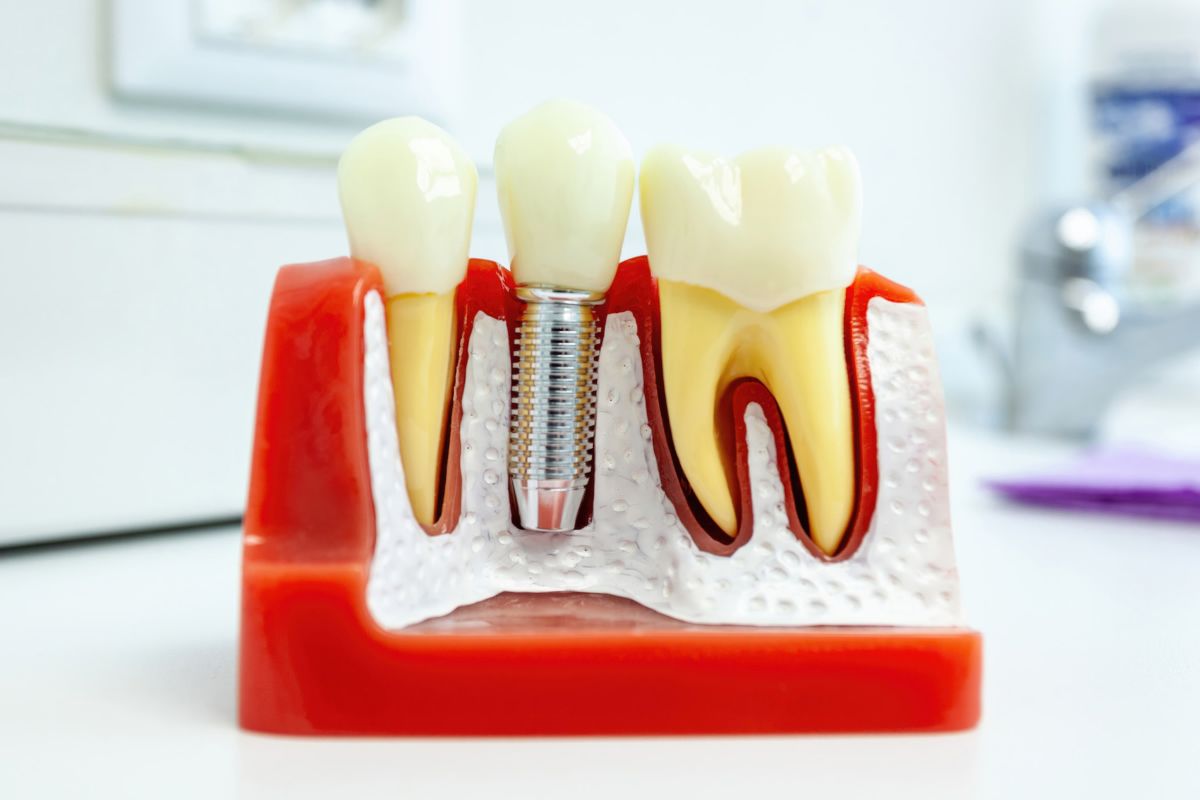
Dental implants are placed within the jawbone to support replacement teeth.
For successful placement, the surrounding bone must provide adequate stability and support.
However, the upper posterior jaw presents unique anatomical challenges.
Above your upper molars and premolars are air-filled spaces called the maxillary sinuses.
A thin layer of bone separates these sinuses from the roots of your upper back teeth.
When teeth are removed, the supporting jawbone may gradually shrink.
Additionally, the sinus cavity can expand downward through a process called sinus pneumatization.
These changes may leave insufficient vertical bone height for conventional dental implant placement.
What Exactly Is Sinus Lift Surgery?
A sinus lift, also called maxillary sinus augmentation, is a bone grafting procedure.
It increases available bone height beneath the sinus floor in the upper posterior jaw.
During the procedure, the periodontist carefully lifts the sinus membrane and places bone grafting material beneath it.
This creates more space for bone to develop.
Over time, the grafted area can provide increased bone support for dental implants.
However, the procedure requires careful planning because sinus anatomy varies from patient to patient.
Not everyone missing upper back teeth needs sinus augmentation.
Five Signs You May Need Sinus Augmentation
1. You Have Missing Upper Molars
Upper molars are positioned near the floor of the maxillary sinus.
After you lose these teeth, bone resorption may reduce the available support for implants.
A clinical examination and imaging can determine whether sufficient bone remains.
2. Your Upper Teeth Have Been Missing for Years
Longstanding tooth loss often causes gradual changes in jawbone dimensions.
The longer a tooth remains missing, the more likely significant bone remodeling is.
However, bone loss varies considerably from patient to patient.
3. The Dentist Identified Insufficient Bone Height
Dental imaging may reveal inadequate vertical bone between the sinus floor and the jaw ridge.
In these cases, sinus augmentation may create additional options for implant placement.
4. You Have Previously Experienced Periodontal Bone Loss
Advanced periodontitis can damage the bone surrounding natural teeth.
When affected teeth are eventually removed, less supporting bone may remain.
You may need additional grafting before replacement.
5. Your Sinus Anatomy Limits Implant Placement
Some patients naturally have larger maxillary sinuses or thin posterior jawbone.
These anatomical variations can affect implant planning even without extensive tooth loss.
Three-dimensional imaging helps the periodontist evaluate these structures.
How Periodontists Evaluate Sinus Lift Candidates
A thorough evaluation begins with your dental and medical history.
The periodontist examines the area where the tooth is missing and the surrounding soft tissues.
Dental imaging helps determine the remaining bone height and sinus position.
Cone beam computed tomography, or CBCT, may be recommended for three-dimensional evaluation.
This imaging can reveal sinus anatomy, bone dimensions, and other structures important for surgery.
Your medical history also matters.
Chronic sinus inflammation, uncontrolled medical conditions, and certain medications may influence treatment planning.
At Mountain Top Periodontics & Implants, we evaluate these factors before recommending sinus augmentation. Our goal is to determine whether grafting is necessary and identify an appropriate surgical approach.
What Happens During Sinus Lift Surgery?
The procedure is generally performed using local anesthesia, with additional sedation options considered when appropriate.
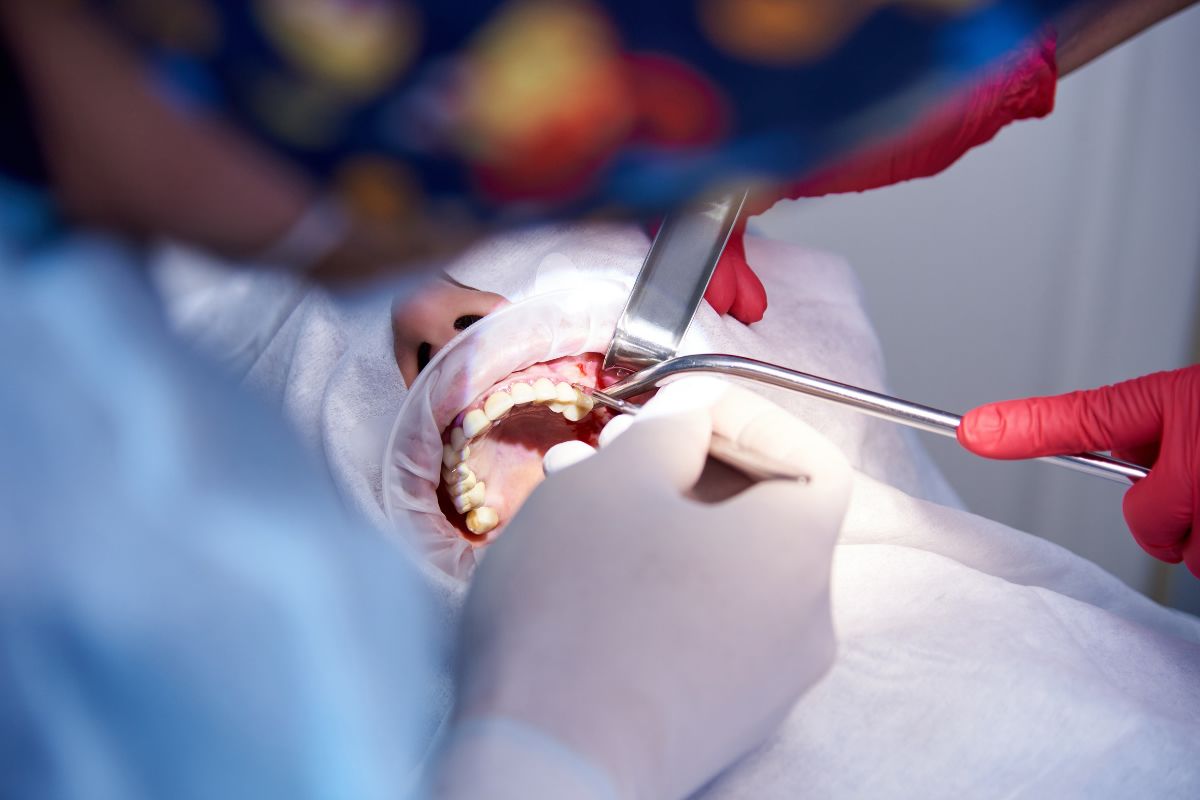
First, the periodontist accesses the bone near the missing upper teeth.
Next, the sinus membrane is carefully elevated to create space beneath the sinus floor.
Bone grafting material is then placed into the prepared area.
Depending on the surgical approach, the surgeon may reposition and secure the gum tissue with sutures.
Some patients undergo a lateral window sinus lift, which provides access through the side of the upper jaw.
Others may qualify for a crestal approach performed through the planned implant site.
The appropriate technique depends on available bone height and implant requirements.
Can Implants Be Placed During Surgery?
In some cases, dental implants can be placed during the same appointment as sinus augmentation.
However, this depends on the amount of existing bone and achievable implant stability.
Patients with substantial bone deficiencies may need a separate healing period.
During this time, the grafted area develops additional bone support.
Implant placement can proceed after the periodontist confirms satisfactory healing.
Therefore, the treatment timeline varies according to the surgical technique and individual anatomy.
What Should You Expect During Recovery?
Some swelling, mild bleeding, and discomfort are common following sinus lift surgery.
Patients may also experience temporary sinus pressure or congestion.
Following postoperative instructions is important because the sinus membrane needs protection while it heals.
Avoid blowing your nose forcefully until your surgical team says it is safe.
Additionally, follow instructions regarding sneezing, physical activity, eating, and oral hygiene.
Contact our periodontist if you experience worsening pain, fever, persistent bleeding, or unusual drainage.
Bone graft healing can take several months.
Follow-up evaluations help determine when the area is ready for dental implants.
Explore Implant Options With Better Bone Support
Insufficient upper jawbone can complicate dental implant placement, but it does not always prevent treatment.
Sinus augmentation may help patients who need additional bone support beneath the maxillary sinus.
At Mountain Top Periodontics & Implants, we provide sinus lift evaluations for patients in Greenwood Village, Centennial, and nearby Denver communities.
If you have been told that your upper jaw lacks sufficient bone, schedule a consultation to explore your implant options.
Frequently Asked Questions
1. Is a sinus lift always necessary for upper dental implants?
No. Many patients have sufficient upper jawbone for dental implants without sinus augmentation. The periodontist will evaluate bone height and sinus anatomy before determining whether grafting is necessary.
2. How long does sinus lift recovery take?
Initial soft tissue healing generally occurs within several weeks. However, bone graft maturation may require several months. Our periodontist will monitor healing before recommending implant placement.
3. Will a sinus lift affect my breathing?
A properly planned sinus lift is not intended to alter normal breathing. Temporary congestion or pressure may occur after surgery. Patients with existing sinus problems should discuss their symptoms before treatment.
4. Can I receive implants years after losing upper teeth?
Possibly. Even patients with longstanding tooth loss may qualify for dental implants after appropriate bone augmentation. Imaging and a periodontal examination can determine whether sinus lift surgery may help.
5. Is sinus lift surgery painful?
Local anesthesia helps control discomfort during surgery. Some swelling and tenderness may occur afterward. Our periodontal team will provide postoperative instructions and discuss appropriate pain management options.
6. What happens if I do not have enough bone for a sinus lift?
We may consider alternative approaches depending on your anatomy and oral health. Our periodontist can explain whether another grafting technique, implant configuration, or tooth replacement option is appropriate.