If you have undergone periodontal therapy, achieving healthier gums and restoring your oral wellness undoubtedly felt like a major milestone. However, a common question many patients ask during follow-up visits is: Can gum disease return even after successful treatment? The short answer is yes, periodontal disease can re-emerge if the conditions that caused it in the first place return. As periodontitis is a chronic, progressive condition rather than a temporary infection like a cold, maintaining long-term oral health requires continuous care, vigilance, and expert guidance.
At Mountain Top Periodontics & Implants – Colorado Springs, our experienced periodontists, Dr. Adam Weaver and Dr. Kearny Chang, are dedicated to helping patients achieve lasting gum health through personalized, advanced care and ongoing preventive maintenance. In this comprehensive guide, our periodontal team explains why gum disease can recur, how to recognize early warning signs, and what actionable steps you can take to keep your smile healthy and stable for a lifetime.
Understanding Gum Disease: A Chronic Condition
To understand why periodontitis can return, it helps to understand how it develops. Gum disease begins as gingivitis, an inflammation of the gum tissue caused by the buildup of bacterial plaque along the gumline. At this initial stage, the condition is entirely reversible with standard professional cleanings and diligent home care.
However, if gingivitis is left untreated, it can advance to periodontitis. At this stage, plaque hardens into calculus (tartar), creating a breeding ground for harmful bacteria below the gumline. The body’s immune system reacts to these bacteria, leading to tissue inflammation, loss of attachment, destruction of the supporting bone, and the formation of deep periodontal pockets around the teeth.
While modern treatments such as scaling and root planing, laser-assisted periodontal therapy, or regenerative surgery can eliminate deep infection and smooth root surfaces to allow gums to reattach, they do not make your mouth permanently immune to bacterial buildup. If plaque and tartar are allowed to accumulate again, bacterial colonies will quickly rebuild, sparking renewed inflammation and bone destruction.
Why Gum Disease Can Return After Initial Therapy
The recurrence of periodontitis, referred to clinically as recurrent periodontitis, occurs when destructive bacterial plaque re-accumulates beneath the gumline. Even when initial therapy is successful, several biological, behavioral, and environmental factors can trigger a relapse:
Lapses in Daily Oral Hygiene
Brushing twice a day and flossing daily are essential to breaking up bacterial biofilms. When daily oral hygiene routines slip, plaque hardens into tartar within 24 to 72 hours. Once tartar forms below the gumline, standard toothbrushes and floss cannot remove it, allowing bacteria to thrive undisturbed once again.
Skipping Professional Periodontal Maintenance
Periodontal maintenance cleanings differ significantly from routine prophylactic cleanings. While a standard cleaning focuses on polishing teeth above the gumline, periodontal maintenance cleans deep into vulnerable pockets to disrupt subgingival bacteria. Skipping these specialized visits every three to four months gives bacterial colonies time to rebuild and damage supporting structures. If you suspect your gums need professional attention, seeking specialized gum disease treatment in Colorado Springs can help stop bacterial regrowth before permanent damage occurs.
Systemic Health Conditions
Your systemic health plays a massive role in your body’s ability to control inflammation. Conditions such as uncontrolled type 2 diabetes, autoimmune disorders, and chronic cardiovascular disease alter immune responses, making gum tissue significantly more susceptible to bacterial invasion and rapid tissue breakdown.
Stress and Lifestyle Factors
High stress levels trigger the overproduction of cortisol, a hormone that suppresses the immune system and increases systemic inflammation. Combined with poor sleep or nutritional deficiencies, high stress lowers your body’s natural defenses against oral pathogens.
Smoking and Vaping
Tobacco smoke and nicotine restrict blood flow to the oral tissues, suppressing healthy immune responses and hiding classic warning signs like bleeding gums. Smoking is one of the single greatest risk factors for both initial gum disease and post-treatment recurrence.
Genetic Predisposition
Some individuals inherit a heightened inflammatory response to normal oral bacteria. Even with immaculate home care, genetically susceptible patients face a higher baseline risk of recurring periodontal inflammation.
Warning Signs That Your Gum Disease May Be Returning
Early detection is critical when managing recurrent periodontitis. Catching inflammation in its initial stages allows your specialist to intervene quickly before significant bone loss or pocket deepening occurs. Watch for these common red flags:
- Bleeding Gums During Brushing or Flossing: Healthy gums should never bleed during routine cleaning. Pink-tinged foam or visible blood is often the first indicator of renewed inflammation.
- Persistent Bad Breath (Halitosis): Unpleasant taste or persistent bad breath that does not go away after brushing or using mouthwash often points to volatile sulfur compounds produced by deep bacterial colonies.
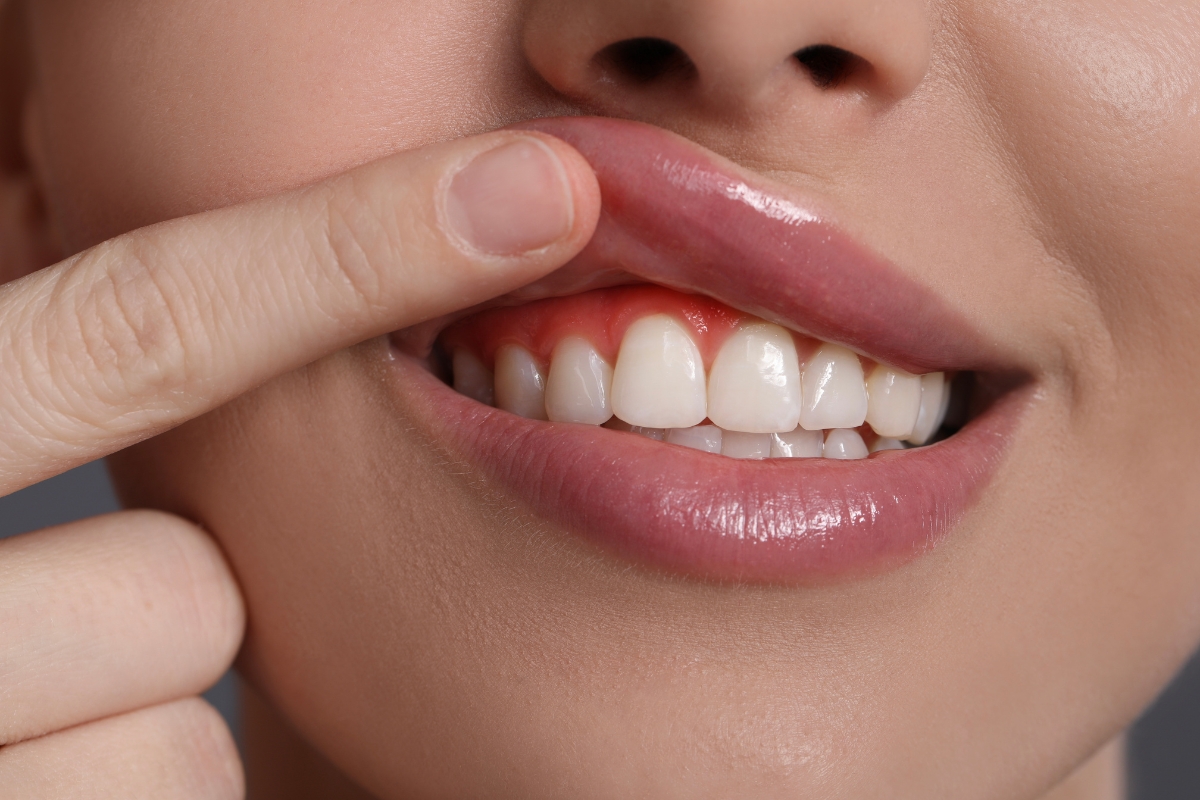
- Swollen, Tender, or Reddened Gums: Healthy gum tissue is firm and pale pink. Gums that appear bright red, purplish, or puffy indicate active bacterial irritation.
- Receding Gums or Longer-Looking Teeth: As tissue breaks down, the gumline pulls back, exposing root surfaces and increasing sensitivity to hot or cold temperatures.
- Deepening Pockets or Changes in Fit: You may notice food trapping more frequently between certain teeth, or feel that your bite or partial dentures fit differently than before.
- Loose or Shifting Teeth: Mobile teeth suggest that advanced bone destruction has resumed around the root structures.
If you notice any of these warning signs, it is vital to contact a specialist immediately. Delaying evaluation allows bacterial infection to spread deeper into the underlying bone structure.
Key Strategies to Prevent Gum Disease Recurrence
Preventing the return of periodontitis requires a proactive partnership between you and your periodontal care team. By adopting comprehensive home care habits and maintaining consistent professional oversight, you can successfully protect your health investment.
Commit to Advanced Home Care Protocols
Standard brushing alone is rarely enough for individuals prone to periodontal disease. Enhance your daily routine with specialized tools designed to clear bacteria from hard-to-reach areas:
- Electric Toothbrushes: Oscillating or sonic toothbrushes remove significantly more plaque along the gumline than manual brushes.
- Interdental Brushes and Water Flossers: Small interdental brushes clean concave tooth contours, while water flossers flush out deep pockets that traditional string floss cannot reach.
- Antimicrobial Rinses: Therapeutic, non-alcoholic mouthwashes help suppress bacterial growth without drying out delicate oral tissues.
Prioritize Routine Periodontal Maintenance
Unlike healthy patients who visit the dentist every six months, individuals with a history of periodontitis usually require periodontal maintenance cleanings every three to four months. This interval is specifically based on the life cycle of subgingival bacteria, which take approximately 90 to 120 days to re-establish complex, destructive colonies beneath the gumline.
Regular visits allow your periodontist to measure pocket depths, assess tissue stability, monitor digital radiographs for bone changes, and deliver targeted gum disease treatment in Colorado Springs whenever localized inflammation reappears.
Manage Systemic Risk Factors
Work closely with your primary care physician to control underlying health conditions. Maintaining stable blood sugar levels, adopting a nutrient-rich anti-inflammatory diet, staying well-hydrated, and utilizing smoking cessation programs will dramatically improve your body’s resilience against periodontal pathogens.
Maintaining Gum Health in Colorado Springs
Living in the beautiful region of Colorado Springs offers an active, high-altitude lifestyle, but our local climate presents unique environmental considerations for oral health. At over 6,000 feet above sea level, Colorado Springs features low humidity levels and thin air that accelerate dehydration.
Dehydration directly reduces salivary flow. Saliva is your mouth’s primary natural defense mechanism; it neutralizes acidic bacterial byproducts, washes away loose food particles, and contains vital enzymes and immunoglobulins that suppress bacterial growth. When dry mouth (xerostomia) occurs, plaque becomes stickier and far more difficult to remove, creating favorable conditions for periodontal inflammation.
Local residents, especially those engaged in outdoor activities like hiking Pikes Peak or cycling through Garden of the Gods, should take proactive steps to safeguard their oral moisture:
- Drink plenty of water throughout the day to combat high-altitude dehydration.
- Consider using Xylitol-based lozenges or humidifiers at night to stimulate natural salivary production.
- Limit excessive intake of caffeinated or alcoholic beverages that further dehydrate oral tissues.
When localized climate factors exacerbate dry mouth, undergoing specialized gum disease treatment in Colorado Springs ensures that your oral health remains protected despite environmental challenges.
What Happens If Gum Disease Does Return?
If your periodontist detects signs of recurrent disease during a maintenance visit, there is no need to panic. Catching a relapse early means treatment is often fast, minimally invasive, and highly effective.
Depending on the extent of the recurrence, your specialist may recommend:
- Targeted Subgingival Scaling: Precision scaling focused exclusively on specific pockets showing active signs of bleeding or deepening.
- Local Antimicrobial Therapy: Placing localized antibiotic microspheres or gels directly inside deep pockets to eradicate residual bacteria.
- Laser-Assisted Periodontal Therapy: Utilizing advanced dental lasers to eliminate bacterial colonies and diseased tissue while promoting microvascular healing and tissue reattachment.
- Surgical Interventions: In cases of localized deep bone loss, regenerative bone grafting or pocket-reduction techniques can restore lost structural support.
By seeking prompt gum disease treatment in Colorado Springs, you prevent localized inflammation from compromising adjacent healthy teeth and underlying jawbone tissue.
Protect Your Smile with Expert Periodontal Care
While periodontitis can return after therapy, recurrence is by no means inevitable. With a strong commitment to daily oral hygiene, healthy lifestyle choices, and routine professional maintenance, you can successfully keep gum disease at bay and enjoy a strong, comfortable smile for life.
At Mountain Top Periodontics & Implants – Colorado Springs, Dr. Adam Weaver, Dr. Kearny Chang, and our compassionate clinical team are committed to providing state-of-the-art periodontal therapy tailored to your unique biological needs. Whether you are seeking preventive maintenance or require specialized intervention to restore your gum health, we are here to support you every step of the way.
Contact our Colorado Springs practice today to schedule your comprehensive periodontal evaluation and keep your smile healthy, beautiful, and secure.
Frequently Asked Questions
1. Is gum disease completely curable, or just manageable?
Gingivitis (the early stage of gum disease) is fully reversible with professional cleanings and improved home care. However, advanced periodontitis causes permanent bone loss and attachment damage. While periodontitis cannot be “cured” in the sense that it disappears forever, it can be successfully managed and kept in long-term remission with regular periodontal maintenance and diligent oral hygiene.
2. How long does gum disease treatment last before needing it again?
With proper daily brushing, flossing, and professional maintenance cleanings every 3 to 4 months, successful periodontal therapy can last a lifetime. However, if home care slips or routine maintenance visits are missed, bacterial plaque can rebuild within weeks, leading to recurrent inflammation and pocket deepening within a few months.
3. What is the difference between regular dental cleanings and periodontal maintenance?
A standard dental cleaning (prophylaxis) is a preventive procedure for patients with healthy gums, focusing on removing light plaque above the gumline every six months. Periodontal maintenance is a specialized, therapeutic cleaning for patients with a history of periodontitis. Performed every 3 to 4 months, it thoroughly cleans deep into periodontal pockets below the gumline to disrupt harmful bacterial colonies before they damage bone structure.
4. Can a general dentist treat recurring gum disease, or should I see a periodontist?
While general dentists can treat mild gingivitis and perform basic scaling, recurring or advanced periodontitis is best managed by a board-certified periodontist. Periodontists undergo 3 additional years of specialized surgical and non-surgical training focused exclusively on tissue regeneration, complex bone loss, laser therapy, and advanced periodontal care.
5. Why do my gums still bleed months after scaling and root planing?
Bleeding gums months after deep cleaning indicate active localized inflammation. This usually occurs due to plaque buildup in hard-to-reach pockets, shifting systemic health conditions (such as elevated blood sugar), or dry mouth. If your gums continue to bleed, schedule an evaluation with your periodontist promptly to check pocket depths and clear residual subgingival bacteria.
6. Does high altitude or dry weather in Colorado Springs affect gum disease recovery?
Yes. The low humidity and high elevation in Colorado Springs often contribute to chronic dry mouth (xerostomia). Because saliva is your mouth’s natural defense against bacterial plaque, a lack of saliva allows plaque to adhere more easily to root surfaces, increasing the risk of periodontal relapse. Staying hydrated and using saliva-stimulating products is key for local residents.
7. How much does treatment cost if gum disease returns?
The cost of treating recurrent gum disease depends entirely on the extent of the relapse. Catching inflammation early during routine maintenance may only require localized subgingival scaling or antimicrobial treatment, which is significantly less expensive than full-mouth deep cleaning or surgical pocket reduction. Early intervention saves both your smile and your financial investment.