Gum disease, known medically as periodontal disease, is one of the most common yet frequently overlooked oral health issues affecting adults today. What often starts as subtle, easily dismissed symptoms like mild bleeding during brushing can steadily advance into serious tissue damage, receding gums, and eventual tooth loss. Beyond your mouth, persistent periodontal infection triggers systemic inflammation linked to heart disease, diabetes complications, and other serious health conditions. If you have noticed changes in your gums or have been told you need specialized care, knowing how to choose the right treatment path and the right specialist is the critical first step toward restoring your long-term health.
At Mountain Top Periodontics & Implants – Denver, board-certified periodontist Dr. Adam Weaver brings years of dedicated, advanced surgical and non-surgical expertise to help patients across Greenwood Village and the greater Denver area protect and renew their smiles. In our practice, we emphasize early intervention, evidence-based therapies, and individualized care plans designed to arrest disease progression and safeguard your natural teeth whenever possible. For the best gum disease solution, visit our dental office today!
Understanding Gum Disease: Why Early Detection Matters
To select the most effective treatment, it helps to understand what is happening beneath the surface of your gum line. Periodontal disease is a chronic inflammatory condition caused by bacterial plaque buildup. When plaque is not consistently removed, it hardens into calculus (tartar), creating a haven for harmful bacteria that irritate and destroy the supporting structures of your teeth.
Periodontal infection progresses through distinct phases, and identifying your exact stage dictates the type of care you require:
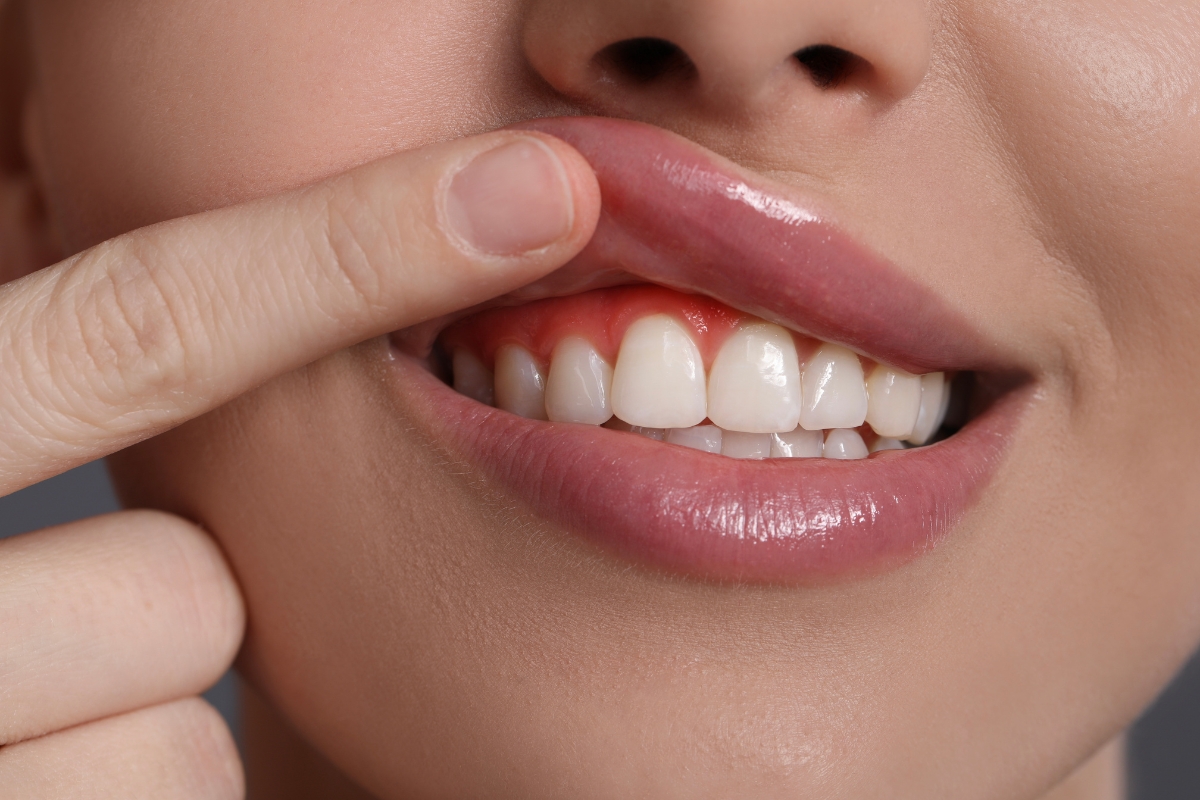
- Gingivitis: The earliest phase, characterized by redness, swelling, and bleeding during flossing or brushing. At this point, the underlying bone remains intact, and the condition is entirely reversible with professional cleaning and diligent home care.
- Slight to Moderate Periodontitis: Bacteria begin destroying the attachment fibers and alveolar bone holding your teeth in place. Deep pockets form between the teeth and gums, harboring deeper bacterial colonies that cannot be reached with standard brushing.
- Advanced Periodontitis: Significant bone loss occurs, leading to painful chewing, chronic bad breath, severe gum recession, and loose teeth that may eventually require extraction.
To learn more about how periodontal conditions progress and how to recognize early warning signs, explore our detailed guide on the stages of periodontal disease.
Treating gum disease in Greenwood Village at the first sign of trouble prevents complex structural damage, saves you from invasive restorative procedures later, and stops chronic oral inflammation from impacting your overall systemic wellness.
Key Criteria for Choosing the Right Treatment and Practitioner
When searching for periodontal care, not all dental offices offer the same depth of expertise or array of therapeutic options. Periodontal health requires targeted medical and surgical management. Here is what you should evaluate when searching for care near you:
General Dentist vs. Board-Certified Periodontist
While general dentists perform routine hygiene visits and treat mild gingivitis, advanced periodontal conditions require the specialized training of a periodontist. A periodontist completes three additional years of intensive residency training beyond dental school, focusing exclusively on soft tissue management, bone regeneration, dental implants, and complex periodontal surgery.
Comprehensive Diagnostic Capabilities
Effective treatment starts with accurate diagnostics. Look for a practice equipped with 3D Cone Beam Computed Tomography (CBCT) imaging and digital periodontal charting. Precise 3D imaging allows us to evaluate subtle changes in bone density, mapping out your treatment down to the millimeter before any procedure begins.
Advanced and Minimally Invasive Treatment Options
Modern periodontics has evolved far beyond traditional cut-and-suture surgery. The ideal practice should offer a balanced spectrum of both non-surgical and advanced surgical therapies, including:
- Scaling and Root Planing: Deep cleaning below the gum line to smooth root surfaces and remove embedded tartar.
- Laser-Assisted Periodontal Therapy: Utilizing laser light to selectively remove infected tissue and destroy bacteria with minimal discomfort and faster healing times.
- Regenerative Procedures: Utilizing bone grafts, membranes, and tissue-stimulating proteins to rebuild lost bone and soft tissue support.
- Periodontal Plastic Surgery: Soft tissue grafting to cover exposed roots and correct severe gum recession.
Patient Comfort and Sedation Choices
If dental anxiety has kept you from seeking care, look for a specialist who offers tailored sedation options such as oral conscious sedation or IV sedation, ensuring a completely relaxed, pain-free experience.
What to Expect During Your Periodontal Consultation
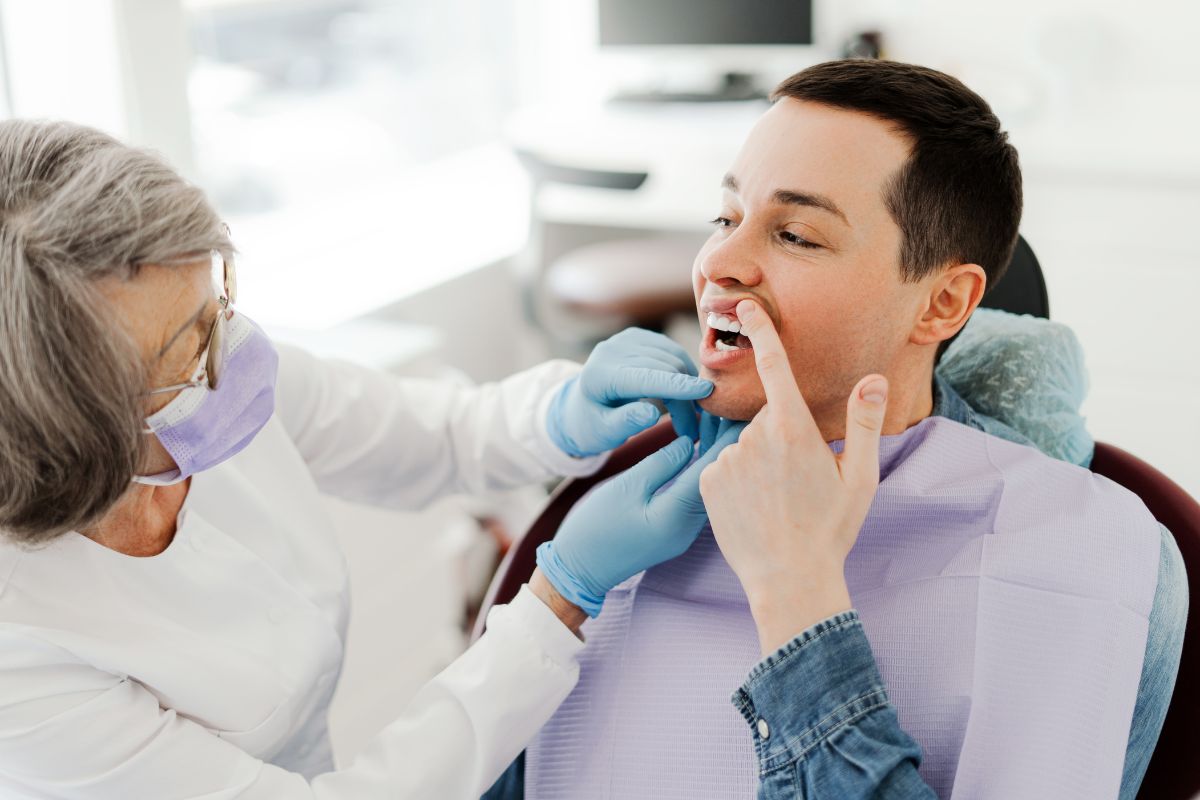
When you schedule an initial visit for gum disease in Greenwood Village, your consultation should feel thorough, educational, and completely customized to your needs. A comprehensive evaluation typically involves:
- Detailed Medical & Dental History Review: Evaluating underlying conditions like diabetes, autoimmune factors, or medications that influence gum healing.
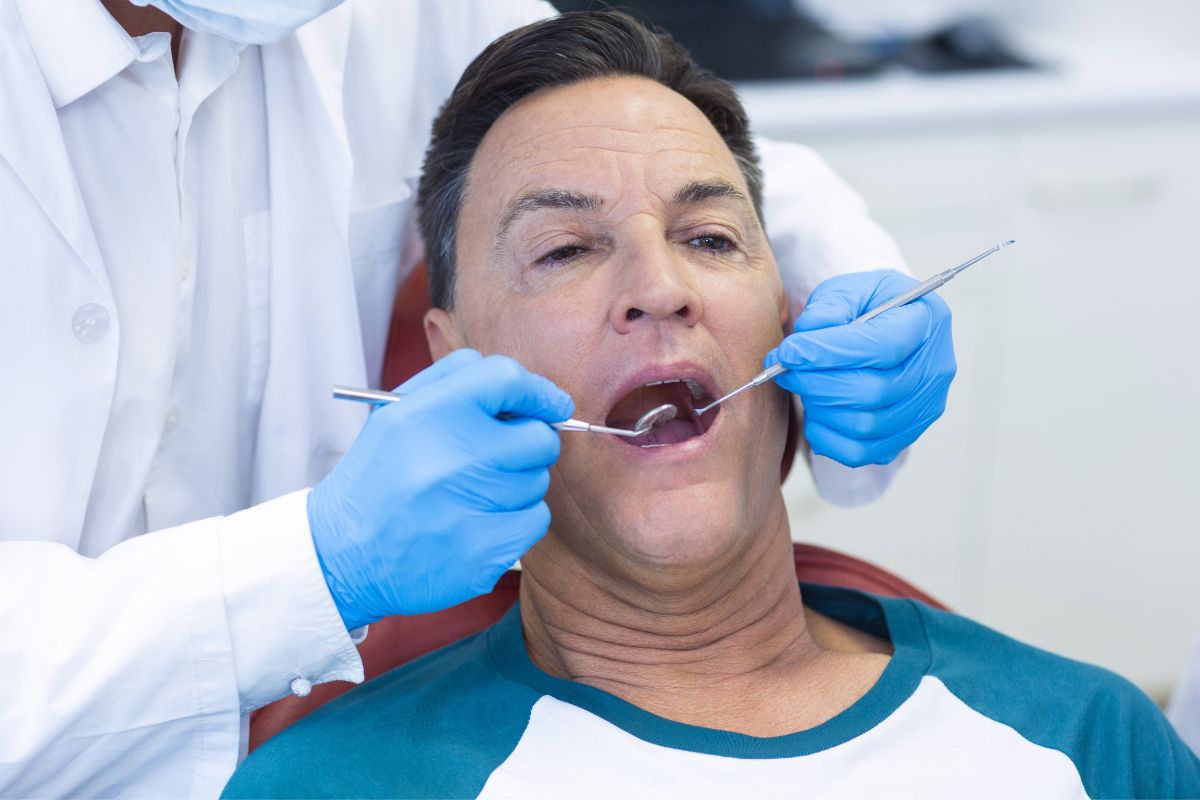
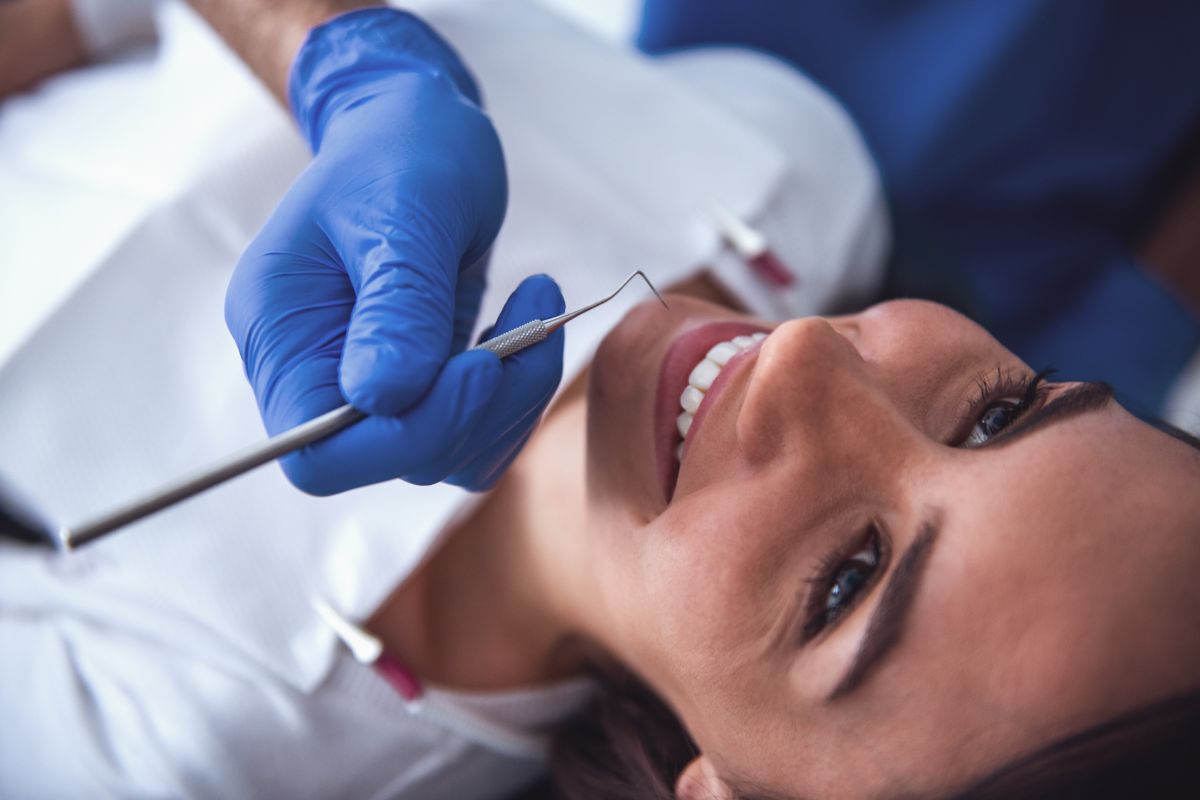
- Full-Mouth Periodontal Probing: Measuring the depth of the pockets around each tooth to determine the precise extent of attachment loss.
- High-Resolution Digital Imaging: Assessing bone levels surrounding the roots of your teeth.
- Customized Treatment Planning: Reviewing diagnostic findings together and discussing non-surgical vs. surgical options tailored to your lifestyle, comfort preferences, and long-term oral health goals.
A great specialist will never push a cookie-cutter approach; they will take time to explain why a specific procedure is recommended and how it directly targets the underlying infection.
Maintaining Long-Term Gum Health in Greenwood Village
Receiving active treatment for gum disease in Greenwood Village is only half the journey; maintaining your results requires a dedicated long-term strategy. Because periodontal disease is a chronic condition, ongoing maintenance visits are essential to prevent re-infection.
The Role of Periodontal Maintenance
Unlike a standard six-month prophylactic cleaning, periodontal maintenance is typically scheduled every three to four months. These specialized visits allow us to disrupt developing bacterial biofilm deep within residual pockets before it can harden and cause recurrent bone loss.
At-Home Oral Hygiene Protocol
Between office visits, your daily home regimen serves as your primary defense:
- Brush Twice Daily: Use a soft-bristled electric toothbrush angled at 45 degrees toward the gum line.
- Clean Between Teeth Daily: Incorporate interdental brushes, traditional dental floss, or a water flosser to clean spaces standard toothbrushes cannot reach.
- Antimicrobial Rinses: Use therapeutic rinses as recommended by your specialist to lower bacterial counts.
- Lifestyle Adjustments: Maintain a balanced diet rich in antioxidants and avoid tobacco products, which significantly impair gum tissue healing and increase treatment failure rates.
Restoring Health and Confidence Through Specialist Care
Finding the right care for gum disease in Greenwood Village comes down to partnering with a specialist who combines advanced clinical expertise with genuine patient empathy. Periodontal disease is progressive, but with early detection, tailored therapies, and modern minimally invasive techniques, you can successfully protect your natural teeth and preserve your overall systemic wellness. Prioritizing your oral health today is the most effective way to ensure a strong, confident smile for years to come.
Ready to reverse inflammation and rebuild your smile? Contact Mountain Top Periodontics & Implants – Denver or visit our Greenwood Village office to schedule your personalized periodontal consultation today!
Frequently Asked Questions (FAQs)
What are the earliest warning signs of periodontitis?
Early warning signs include bleeding when brushing or flossing, persistent bad breath, red or swollen gums, tenderness, and slight gum recession. Catching these subtle indicators early allows for conservative, non-surgical treatment before bone loss occurs.
Is periodontal treatment painful?
Modern periodontal treatments prioritize patient comfort. Local anesthetics completely numb the area during procedures. For anxious patients or extensive treatments, sedation options are available. Most post-treatment discomfort is mild and easily managed with over-the-counter pain relievers.
Can gum disease be completely cured?
Gingivitis can be fully reversed with professional care and good hygiene. Advanced periodontitis cannot be completely cured because lost bone doesn’t naturally regrow, but it can be successfully managed and arrested with appropriate periodontal treatment.
How does scaling and root planing differ from standard cleaning?
A standard cleaning polishes teeth above the gumline. Scaling and root planing goes deep beneath the gums to eliminate hardened plaque, bacteria, and smooth root surfaces, allowing inflamed gum tissue to heal and reattach.
How often do I need maintenance visits after treatment?
Most patients require periodontal maintenance every three to four months. This frequency prevents destructive bacterial colonies from repopulating deep pockets, ensuring your gums remain healthy and preventing disease relapse over your lifetime.
What happens if I leave periodontal disease untreated?
Untreated gum disease leads to progressive bone destruction, severe gum recession, chronic pain, and eventually tooth loss. Additionally, persistent oral inflammation enters your bloodstream, increasing risks for heart disease, diabetes complications, and stroke.
Why should I see a periodontist instead of a general dentist?
Periodontists complete three additional years of specialized surgical training focused entirely on gum tissue and bone structures. They offer advanced expertise, specialized technologies, and complex regenerative therapies that general dental offices typically do not provide.