Gum disease does not always show up with pain. By the time most people notice something is wrong, the problem has already moved past the early stage. If your dentist has referred you to a specialist, or if you have been searching for a trusted periodontist in your area, understanding your treatment options will help you make a confident decision. Two of the most common approaches used today are laser periodontal treatment and traditional surgery. Both work. But they work differently, and the right choice depends on your specific condition.
What Is Gum Disease and Why Does It Need Treatment?
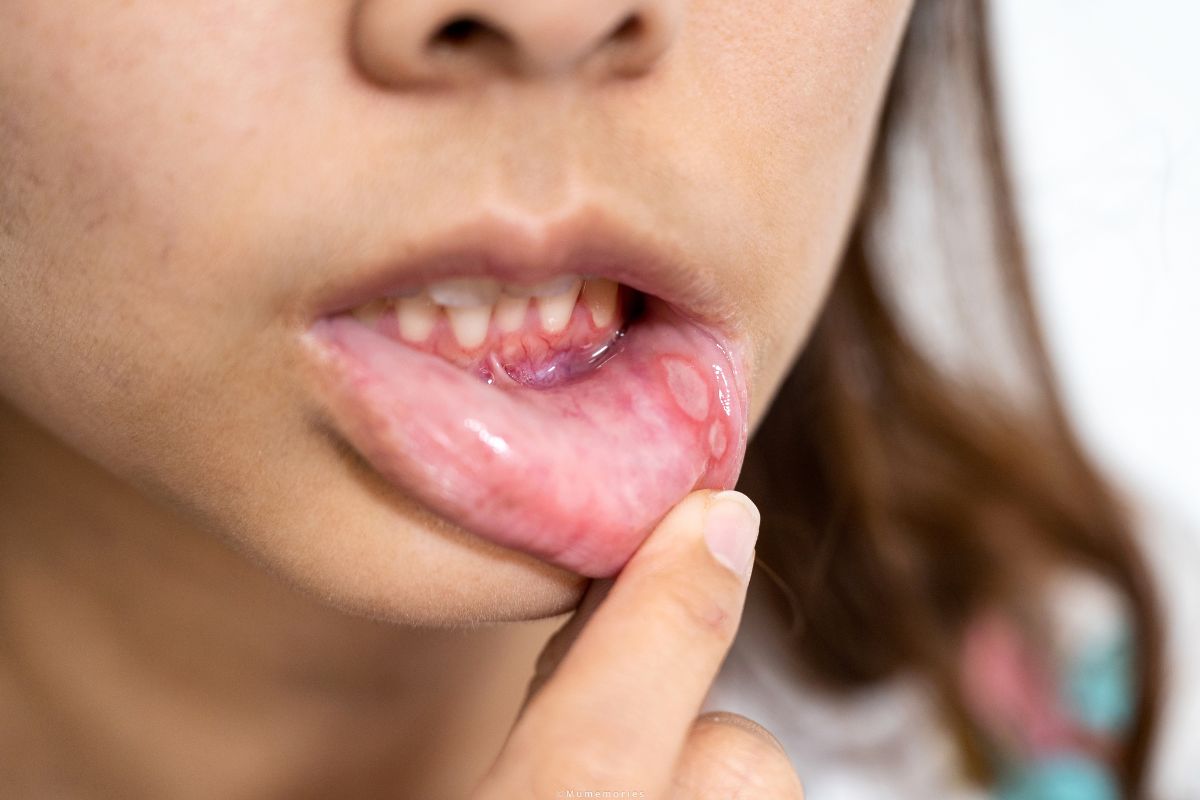
Gum disease, also called periodontal disease, is a bacterial infection that affects the tissue and bone supporting your teeth. It starts as gingivitis (mild gum inflammation) and can progress to a more serious form that damages the jawbone.
Left untreated, it leads to loose teeth, bone loss, and in some cases, tooth removal. Research from the American Academy of Periodontology also shows links between periodontal disease and systemic health conditions like heart disease and diabetes.
The earlier treatment begins, the better the outcome.
Traditional Periodontal Surgery: How It Works
Traditional surgery, called flap surgery or osseous surgery, has been used for decades. A trained periodontist makes small incisions in the gum tissue, folds it back, and cleans the infected area underneath. Damaged bone may be reshaped or repaired. The tissue is then stitched back into place.
This approach gives the surgeon direct access to the roots and bone. It is very effective for moderate to severe gum disease. However, it comes with a recovery period. Patients typically experience:
- Swelling and discomfort for several days
- Restricted diet during healing
- A follow-up visit to remove stitches
- Full recovery taking one to two weeks
It is a proven method. For many cases of advanced bone loss, it remains the recommended approach.
Laser Periodontal Treatment: A Closer Look
Laser treatment uses focused light energy to target and remove infected gum tissue without cutting. The most widely known laser-based approach is LANAP (Laser Assisted New Attachment Procedure), which is FDA-cleared and backed by clinical research.
During this procedure, a thin laser fiber is inserted between the gum and the tooth. It removes only the diseased tissue while leaving healthy tissue untouched. The laser also kills bacteria in the pocket and stimulates the area to promote healing.
You can read more about how laser therapy is used in periodontal care through the American Dental Association’s clinical resource library.
Key benefits patients notice with laser treatment include:
- Less bleeding during and after the procedure
- Reduced swelling compared to traditional surgery
- Faster return to normal activity (often within 24 to 48 hours)
- No scalpel or stitches in most cases
- Lower risk of gum recession after healing
Laser vs. Traditional Surgery: A Side-by-Side Comparison
| Factor | Traditional Surgery | Laser Treatment |
| Incisions | Yes | No |
| Stitches | Usually required | Rarely needed |
| Recovery time | 1 to 2 weeks | 24 to 48 hours |
| Pain level | Moderate | Mild |
| Bone regeneration | Possible with grafting | Stimulated naturally |
| Best for | Severe bone loss | Mild to moderate disease |
| Cost | Generally lower | Often higher |
Neither method is universally superior. A qualified specialist who acts as your primary periodontist will evaluate your bone levels, pocket depth, and overall health before recommending one over the other.
Who Is a Good Candidate for Laser Treatment?
Laser periodontal therapy works best for patients with:
- Moderate gum disease (pocket depths of 4 to 7 millimeters)
- Active gum infection without severe bone loss
- A preference for minimally invasive procedures
- Medical conditions that make traditional surgery riskier (such as blood thinners or diabetes)
Traditional surgery may still be necessary when bone damage is extensive, when tissue needs to be repositioned, or when a bone graft is required at the same time.
The National Institute of Dental and Craniofacial Research provides solid background on how gum disease stages are assessed, which helps patients understand what category they fall into before any procedure is discussed.
What Recovery Looks Like for Each Option
After traditional surgery, patients are usually advised to eat soft foods, avoid brushing near the surgical site, and limit physical activity for at least a week. Pain is managed with prescribed or over-the-counter medication.
After laser treatment, most patients return to their normal routine within a day or two. There may be some sensitivity, but it is generally mild. Post-procedure care focuses on gentle rinsing and attending follow-up visits to monitor healing.
Both options require ongoing maintenance. Periodontal disease does not have a permanent cure, so regular cleanings (every three to four months) are essential after either treatment.
Cost and Insurance Considerations
Traditional surgery tends to be less expensive upfront and is more widely covered by dental insurance plans. Laser treatment is a newer technology, so coverage varies. Some insurers cover it when it is classified as a surgical procedure. Others treat it differently.
Always verify your coverage before the appointment. Ask your provider to submit a pre-authorization if needed.
Frequently Asked Questions
1. Is laser periodontal treatment painful? Most patients report little to no discomfort during the procedure. Local anesthesia is still used to keep the area numb.
2. How long does laser treatment take? Most laser procedures are completed in one or two appointments, each lasting one to two hours depending on the extent of disease.
3. Can laser treatment replace traditional surgery in all cases? No. Severe bone loss or complex anatomical issues may still require traditional surgery. Your care provider will determine which is appropriate.
4. Will my gums recede after laser treatment? Laser treatment is associated with less gum recession compared to traditional surgery, but results vary based on pre-existing tissue levels.
5. How soon can I eat normally after laser treatment? Most patients resume a normal diet within 24 to 48 hours, though soft foods are recommended for the first day.
6. Is LANAP the same as all laser periodontal treatments? No. LANAP is one specific protocol using the PerioLase MVP-7 laser. Other laser systems exist, but LANAP has the most clinical research behind it.
7. Does laser treatment work long-term? Yes, when followed by proper maintenance. Studies show durable results with consistent follow-up care.
Conclusion: The Right Choice Starts with the Right Conversation
There is no single answer that fits every patient. Your gum disease severity, health history, recovery timeline, and budget all play a role in deciding between laser and traditional approaches. What matters most is getting an accurate diagnosis from someone qualified to give one.
If you have noticed signs of gum problems, or if you have been referred for further evaluation, do not put it off. Schedule a consultation with a specialist who can walk you through both options clearly and without pressure. The team at Mountain Top Periodontics & Implants in Greenwood Village, CO is available to answer your questions and help you find the right path forward.
Contact a local dental office that specializes in periodontal care and ask about which treatment fits your situation. The sooner you act, the more options you have.