Gum disease affects nearly half of American adults over 30, yet many people don’t realize they have it until symptoms become serious. The good news? In its early stages, gum disease can absolutely be reversed. Understanding how gum disease works and what you can do about it makes all the difference in protecting your smile.
What Is Gum Disease?
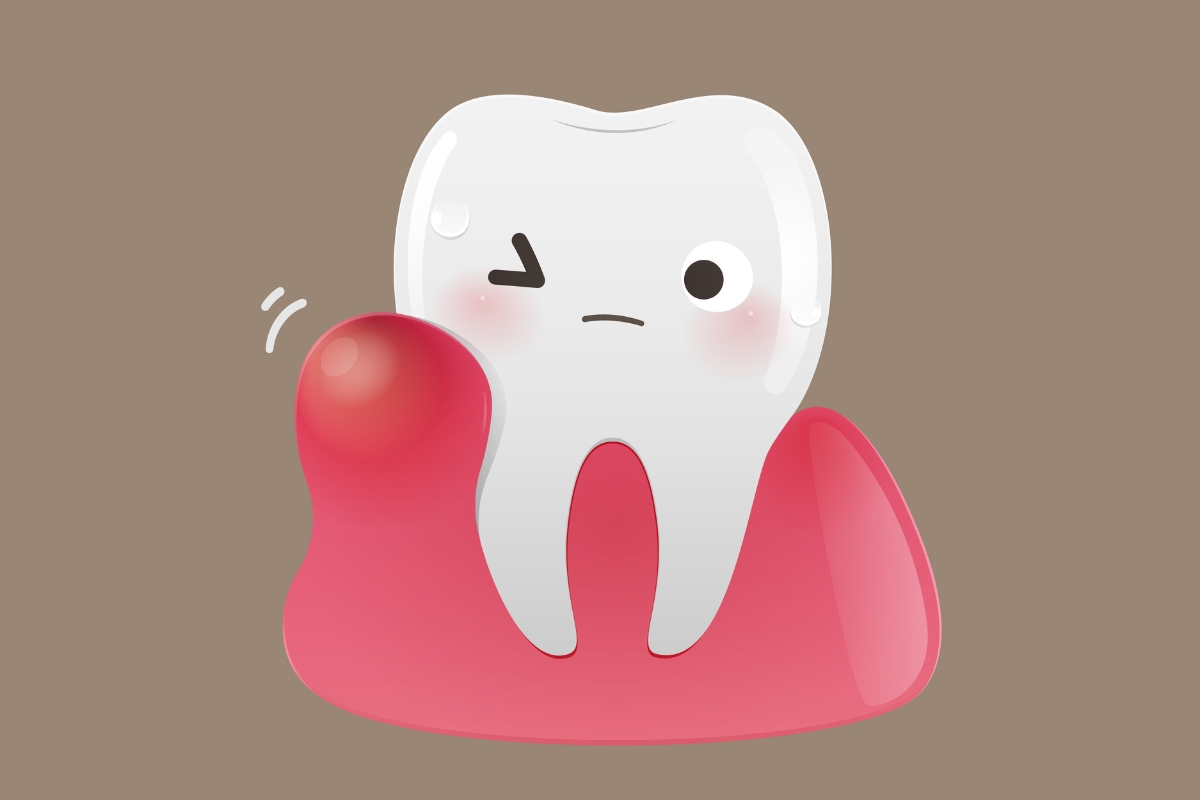
Gum disease, also called periodontal disease, is an infection of the tissues that hold your teeth in place. It starts when bacteria in plaque build up along and under the gum line. Your gums become inflamed, and without treatment, the infection can destroy the bone supporting your teeth.
There are two main stages:
Gingivitis is the early, mild form. Your gums may look red, feel swollen, or bleed when you brush. The damage hasn’t reached the bone yet, which means it’s reversible.
Periodontitis is the advanced stage. The infection has spread below the gum line and started destroying bone. This stage can’t be fully reversed, but it can be managed and stopped from getting worse.
Can You Actually Reverse Gum Disease?
The answer depends on how far the disease has progressed.
Reversing Gingivitis
Yes, gingivitis can be completely reversed. Since the infection hasn’t damaged the bone or connective tissue yet, proper treatment and good oral hygiene can restore your gums to full health.
Treatment typically includes:
- Professional dental cleaning to remove plaque and tartar
- Improved brushing and flossing habits at home
- Antibacterial mouthwash if recommended
- Regular dental checkups every six months
Most people see their gums return to normal within a few weeks of consistent care.
Managing Periodontitis
Once gum disease reaches the periodontitis stage, the bone loss can’t grow back on its own. However, treatment can stop the disease from advancing and help your gums reattach to your teeth. According to the American Academy of Periodontology, early intervention is key to preserving your natural teeth.
Treatment options include:
Scaling and root planing is a deep cleaning that removes bacteria from below the gum line and smooths tooth roots to help gums reattach.
LANAP laser therapy uses advanced laser technology to remove infected tissue without cutting, promoting faster healing with less discomfort.
Pocket reduction surgery may be needed in severe cases to reduce the spaces where bacteria collect.
Bone grafting can rebuild some lost bone structure, especially if you’re considering tooth replacement options down the road.
Warning Signs You Shouldn’t Ignore
Many people miss the early signs because gum disease often doesn’t hurt at first. Watch for these symptoms:
- Gums that bleed during brushing or flossing
- Red, swollen, or tender gums
- Gums pulling away from teeth
- Persistent bad breath
- Loose teeth or changes in your bite
- Pus between teeth and gums
If you notice any of these signs, seeing a periodontist right away gives you the best chance of reversing or controlling the disease.
Why Quick Action Matters
Gum disease doesn’t just affect your mouth. Research from the Centers for Disease Control and Prevention shows links between periodontal disease and other health problems like heart disease, diabetes, and respiratory issues. The bacteria from infected gums can enter your bloodstream and contribute to inflammation throughout your body.
Treating gum disease early protects not just your teeth but your overall health too.
Treatment Options That Work
Modern periodontal care offers several effective treatments:
Non-Surgical Options
For early to moderate gum disease, non-surgical treatments often work well. Deep cleaning removes bacteria and gives your gums a chance to heal. Your periodontist may also prescribe antibiotic gel or oral medication to fight infection.
Laser Therapy
LANAP laser treatment targets infected tissue while leaving healthy gums alone. It’s less invasive than traditional surgery, causes less discomfort, and promotes faster healing. Many patients return to normal activities the same day.
Surgical Treatments
Advanced cases may need surgery to clean deep pockets or reshape gum tissue. While this sounds intense, modern techniques have made these procedures much more comfortable than in the past.
Tooth Replacement
When gum disease has caused tooth loss, solutions like getting dental implants in Colorado Springs can restore both function and appearance. An implant dentist in Colorado Springs can evaluate whether you’re a good candidate and what preparatory treatments might be needed.
Preventing Gum Disease From Coming Back
Once you’ve treated gum disease, keeping it from returning requires commitment:
Brush twice daily for two minutes using a soft-bristled toothbrush. Focus on the gum line where plaque builds up.
Floss every day to remove plaque between teeth where your toothbrush can’t reach.
See your periodontist regularly for cleanings and checkups. Most people with a history of gum disease need visits every three to four months.
Quit smoking if you use tobacco. Smoking is one of the biggest risk factors for gum disease and makes treatment less effective.
Manage health conditions like diabetes that can affect your gums.
Eat a balanced diet rich in vitamins and minerals that support gum health.
What to Expect During Treatment
Your first visit will include a complete examination. Your periodontist will measure the pockets around each tooth, take X-rays, and review your medical history. This information helps create a treatment plan tailored to your situation.
Treatment itself varies based on disease severity. Simple cleanings take about an hour. More involved procedures might require multiple visits. Your periodontist will explain what to expect and answer all your questions before starting any treatment.
Most people feel little to no discomfort during modern periodontal treatments. Local anesthesia keeps you comfortable, and recovery time has improved dramatically with newer techniques.
The Role of Professional Care
While good home care is essential, professional treatment makes the real difference in reversing or controlling gum disease. Periodontists have specialized training in treating gum disease and restoring oral health. They use advanced tools and techniques that go far beyond what you can do at home.
The National Institute of Dental and Craniofacial Research emphasizes that regular professional care combined with daily oral hygiene gives you the best chance of maintaining healthy gums for life.
Taking the First Step
If you suspect you have gum disease or haven’t had your gums checked recently, now is the time to act. Early treatment is easier, less expensive, and more effective than waiting until problems become severe.
At Mountain Top Periodontics & Implants in Colorado Springs, the team understands that dental concerns can feel overwhelming. They take time to explain your condition clearly and discuss all available options without judgment. Whether you need a simple cleaning or more advanced care, you’ll receive personalized attention focused on your long-term health.
Don’t let gum disease progress. Your gums support everything else in your mouth, including any future work you might need from specialists providing dental implants around Colorado Springs. Protecting your gum health today sets the foundation for a healthy smile tomorrow.
Ready to take control of your gum health? Schedule a consultation with a periodontal specialist who can assess your situation and create a treatment plan that works for you. Contact a local dental office to begin your journey toward healthier gums and a more confident smile. Early action today prevents bigger problems tomorrow.
Frequently Asked Questions
How long does it take to reverse gingivitis? With proper treatment and good oral hygiene, most cases of gingivitis improve within two to three weeks. Complete reversal typically occurs within a few months of consistent care.
Is periodontal treatment painful? Modern periodontal treatments are generally comfortable. Local anesthesia numbs the treatment area, and many patients report minimal discomfort during and after procedures. Recovery time varies based on the treatment type.
How often should I see a periodontist if I have gum disease? Most patients with active or treated gum disease need professional cleanings every three to four months rather than the standard six months. Your periodontist will recommend a schedule based on your specific needs.
Can gum disease cause tooth loss? Yes, untreated periodontitis is a leading cause of tooth loss in adults. The infection destroys the bone holding teeth in place, eventually causing them to loosen and fall out.
Does insurance cover periodontal treatment? Many dental insurance plans cover at least part of periodontal treatment, especially for procedures deemed medically necessary. Coverage varies by plan, so check with your insurance provider for specific details.
What’s the difference between a regular dentist and a periodontist? A periodontist has completed additional years of specialized training focused specifically on preventing, diagnosing, and treating gum disease. They handle complex cases and perform specialized procedures beyond general dentistry.
Can gum disease come back after treatment? Yes, gum disease can return without proper ongoing care. Maintaining good oral hygiene, attending regular checkups, and following your periodontist’s recommendations help prevent recurrence.