After getting a dental implant, it’s essential to follow a careful recovery plan, especially regarding what you eat. Patients often wonder if bread is safe during the healing process. The answer depends on the type of bread and the stage of your recovery.
In communities like Colorado Springs, where health and active lifestyles are a priority, knowing how nutrition affects recovery is just as important as the procedure itself. Our implant dentist can guide you on when and how to reintroduce soft foods like bread, ensuring your implant heals properly and functions as intended.
What to Expect After Dental Implant Surgery
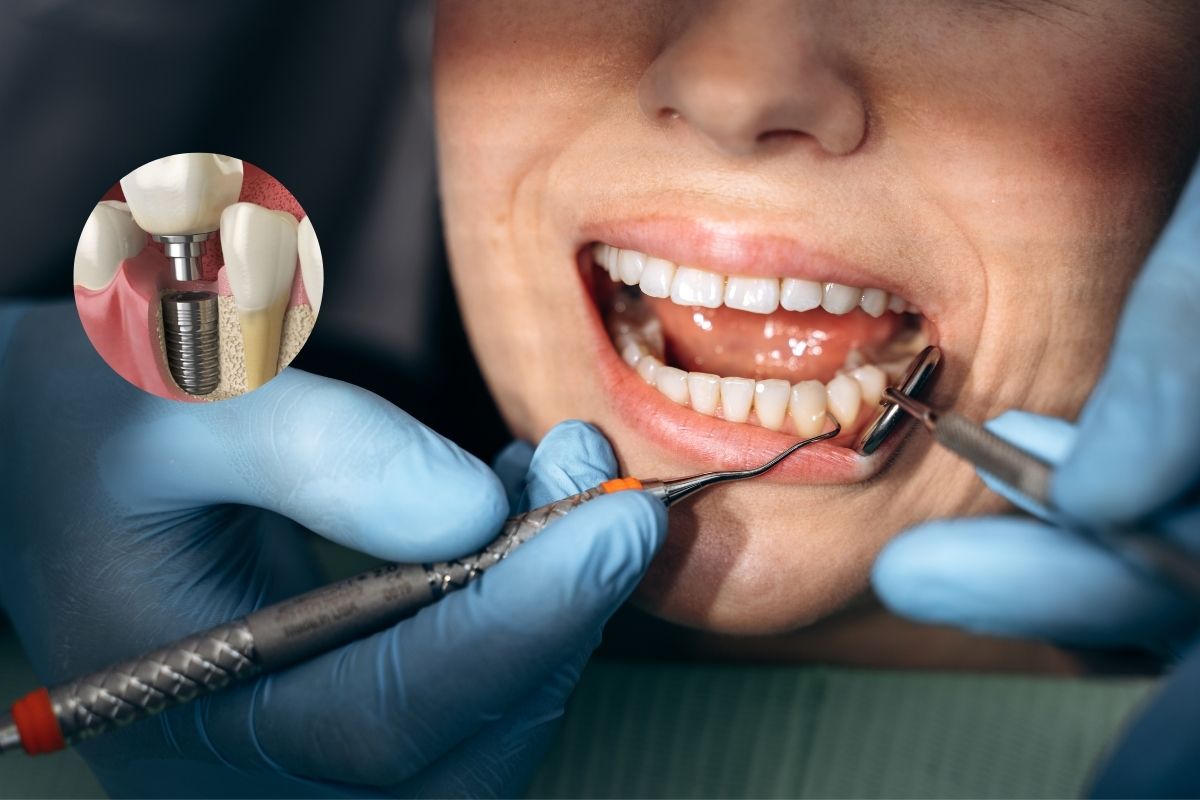
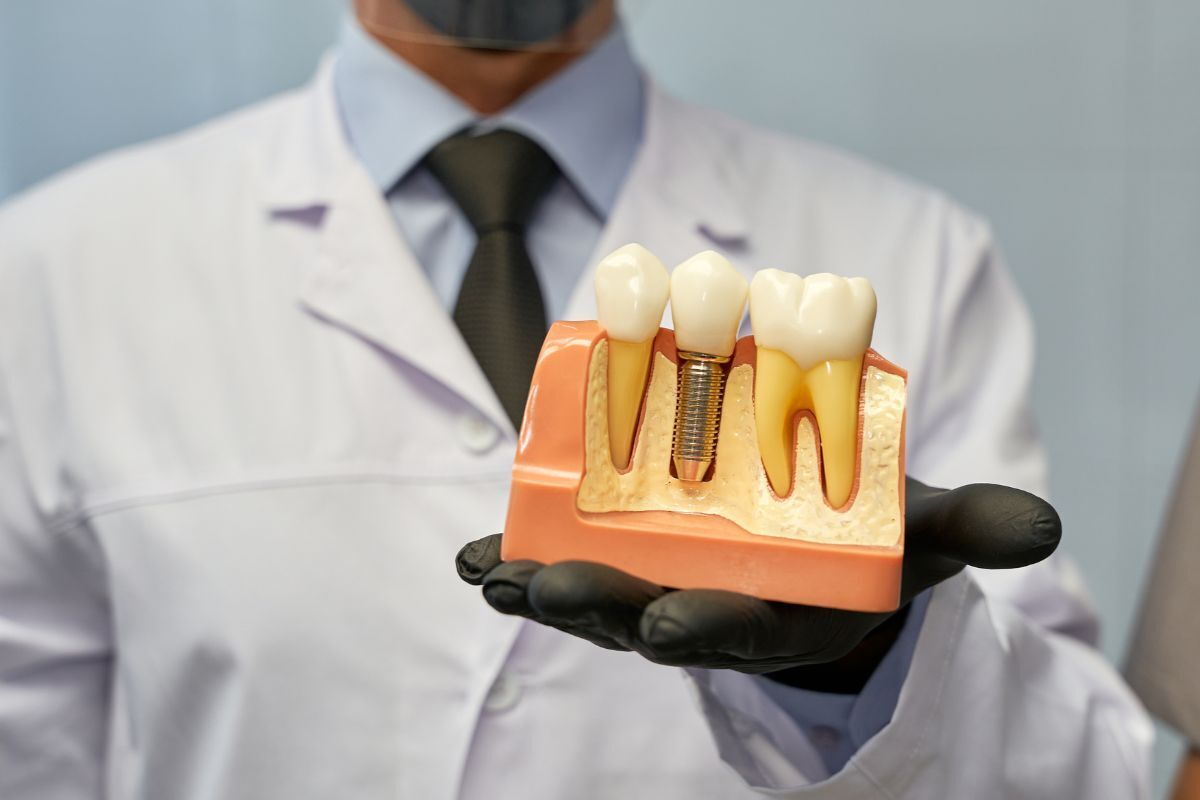
A dental implant is a small titanium post surgically placed into your jawbone to support a crown, bridge, or denture. The healing process, called osseointegration, happens when the bone fuses with the implant to create a strong foundation. This process may take 3 to 6 months, depending on factors like bone quality and individual healing.
During this time, your surgical site is sensitive. Your periodontist will likely recommend a modified diet to protect the implant area and avoid unnecessary strain.
When and How to Safely Eat Bread After Implant Placement
In the first 24 to 48 hours after surgery, soft foods are strongly recommended, but bread—especially crusty, chewy, or seeded varieties—should be avoided. These can irritate the healing site, loosen sutures, or cause discomfort.
After about 3 to 7 days, depending on your progress, you may slowly add softer breads without crusts or seeds, such as:
- White sandwich bread (without crusts)
- Soft dinner rolls
- Potato bread
- Moist muffins (without seeds)
However, avoid bagels, ciabatta, artisan sourdough, seeded breads, or hard rolls. These require extra chewing force and can place unwanted stress on the implant site.
Diet Considerations After Dental Implant Surgery
Many patients are used to eating whole-grain, seeded, or artisan breads because of their nutritional benefits. However, these types of bread are usually dense, chewy, and difficult to manage during early recovery. They may place too much pressure on the healing site and should be avoided until your periodontist advises otherwise.
Instead, choose softer options like enriched white bread, potato bread, or tender rolls. Pairing soft bread with protein-rich spreads or toppings—such as scrambled eggs, cottage cheese, or hummus—can help you maintain proper nutrition while ensuring your dental implants remain protected during the healing process. For personalized guidance on dietary choices, our implant dentist in Colorado Springs can provide recommendations tailored to your stage of recovery.
Nutrition Guidelines to Support Healing
Recovery isn’t only about texture—it’s also about nutrition. After implant surgery, your body needs nutrient-rich foods to repair tissue and fight infection. Look for breads that include:
- Protein (from egg or milk-based recipes)
- B-vitamins for healing and energy
- Iron and zinc for immune support
Pair bread with soft, protein-rich foods like scrambled eggs, cottage cheese, or hummus to strengthen recovery without adding chewing strain.
Tips for Reintroducing Foods Safely
Here are a few professional tips to keep in mind when reintroducing bread and similar foods after implant surgery:
- Chew on the opposite side of the implant until cleared by your periodontist.
- Cut bread into small bites and chew slowly.
- Drink plenty of water to help wash away food particles.
- Maintain excellent oral hygiene, as even soft bread can stick to gums and raise the risk of infection.
Following these tips supports long-term success with your dental implants.
Expert Care for Implant Recovery
Periodontists specialize in the placement and care of dental implants. At our dental practice in Colorado Springs, the focus is not only on successful surgery but also on guiding patients through recovery with precise dietary and lifestyle recommendations. With advanced expertise in gum and bone health, our team ensures your implants heal properly and integrate for lasting stability.
FAQs About Eating After Dental Implants
Can I eat toast after dental implant surgery?
No, crunchy or toasted bread should be avoided until your periodontist confirms it’s safe—usually several weeks into recovery.
When can I return to eating regular foods after implants?
Most patients can slowly reintroduce normal foods after 2 to 3 weeks, but full healing may take months.
Are dental implants safe for people with active lifestyles?
Yes. With proper placement and guidance from an implant dentist, dental implants are designed to restore function while supporting an active, healthy lifestyle.
Can diet affect the success of dental implants?
Absolutely. A balanced diet rich in protein, vitamins, and soft foods during healing improves outcomes and reduces the risk of complications.
Conclusion
Eating bread after dental implant surgery is possible, but timing and food selection are critical to protecting the healing site. In the first days, stick with soft, crust-free breads and gradually reintroduce other varieties as your recovery progresses. Good nutrition and careful food choices not only ease healing but also support the long-term success of your implants.
By working closely with our implant dentist in Colorado Springs, patients can feel confident knowing they have the right guidance for every stage of recovery. Thoughtful planning, smart food choices, and professional support all play a role in ensuring that your dental implants provide the comfort, strength, and natural function you’re looking for.