Losing one or more teeth can affect how you eat, speak, and feel about your smile. Many people in Colorado Springs wonder if dental implants are an option for them. The short answer is: most adults can qualify, but each person must be checked for a few key health factors first. This guide will walk you through who is usually a good fit, what might need to be treated first, and how to move forward with confidence.
What Are Dental Implants?
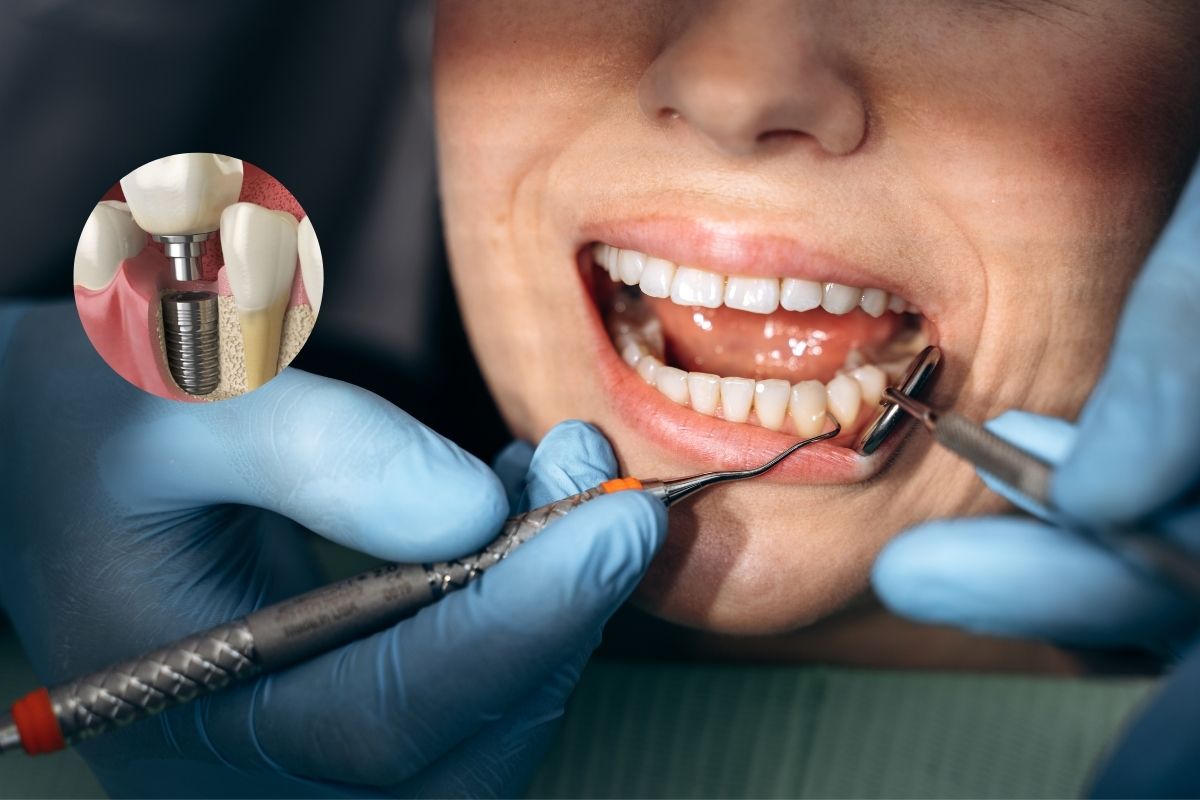
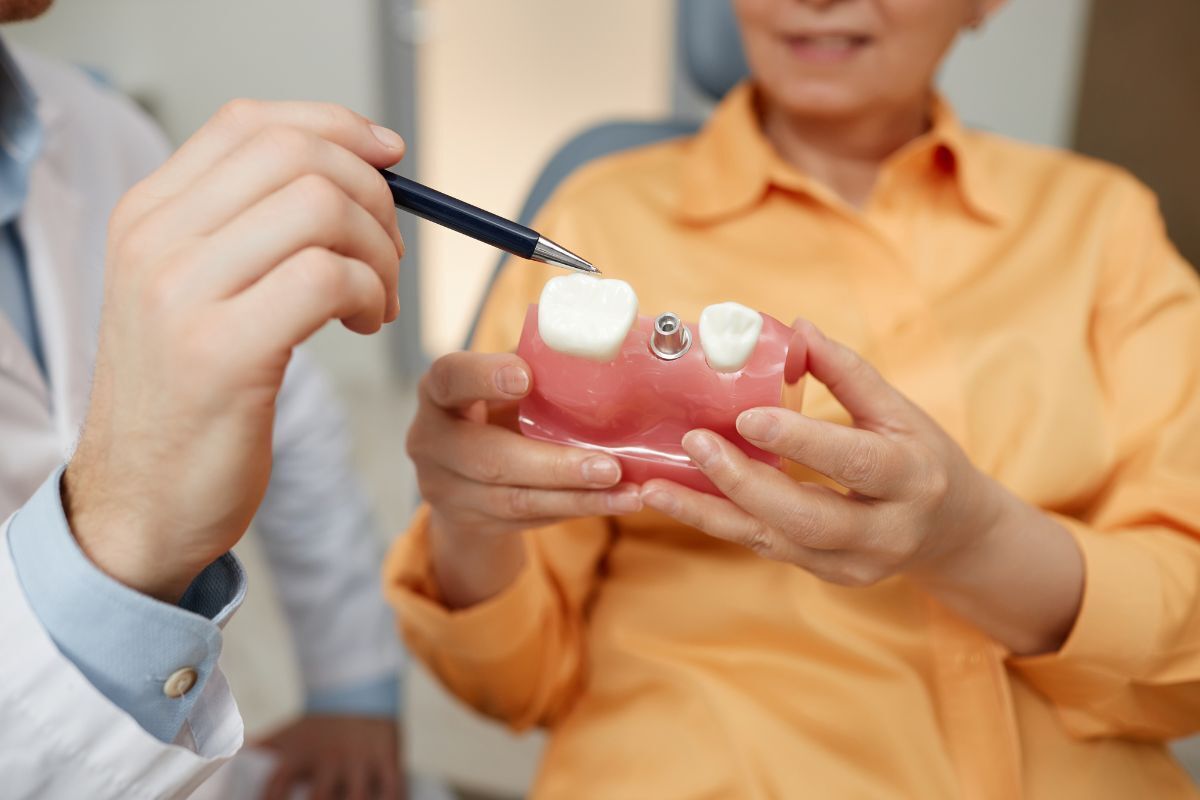
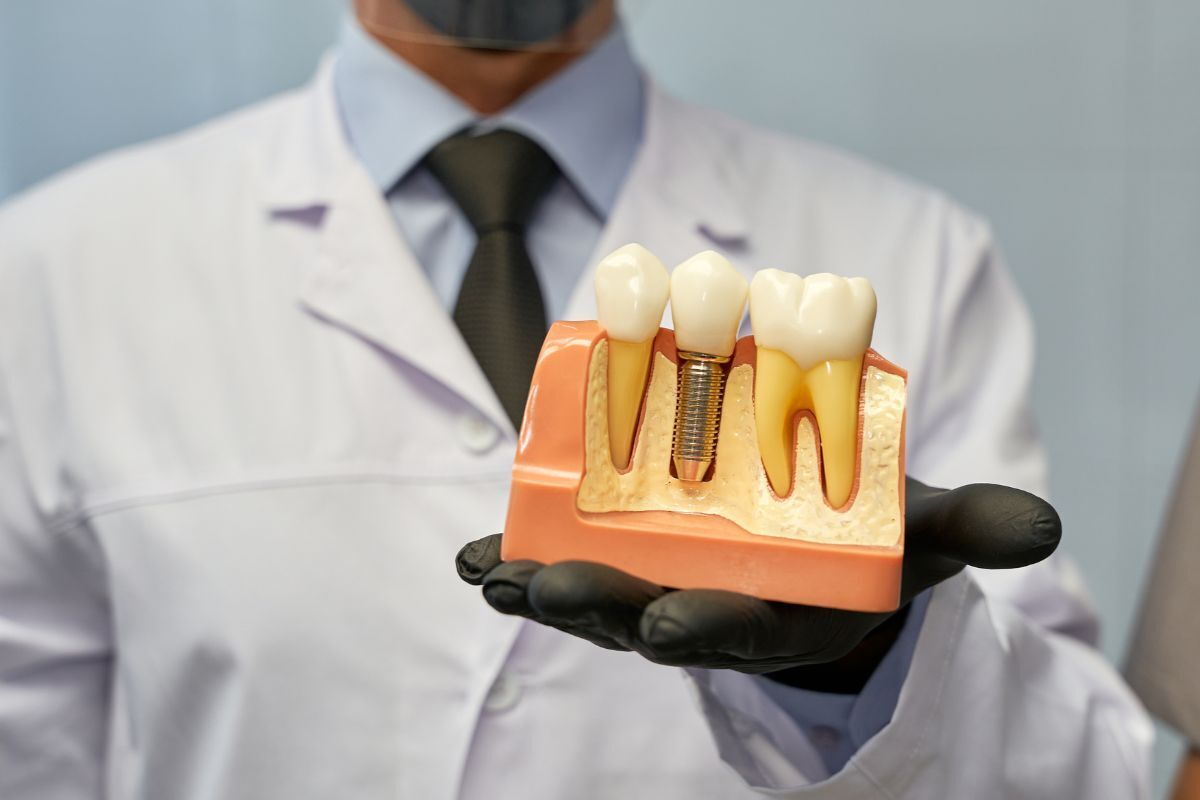
Dental implants are small posts, usually made of titanium, that are placed into the jawbone where a tooth is missing. Over time, the bone grows around the implant, creating a strong base for a crown, bridge, or denture. In many ways, implants act like natural tooth roots and can last many years when cared for properly. For patients in Colorado Springs, clinics like Mountain Top Periodontics & Implants focus on these procedures along with supporting gum–health care.
Who Usually Qualifies for Implants?
Most adult patients are considered potential candidates if they meet a few basic conditions. These include:
- One or more missing teeth
- Enough healthy bone in the jaw to support the implant
- Healthy gums with no active gum infection
- Good overall health and the ability to heal after minor surgery
Patients who already manage conditions like diabetes, heart disease, or osteoporosis can often still move forward, as long as those issues are under control and the dentist is aware. Many practices in Colorado Springs offer implant planning that includes X‑rays and 3D scans to check bone and plan safely.
Bone and Gum Health Matter Most
Bone volume and gum health are two of the biggest factors in deciding if you can have dental implants. If the jawbone is too thin or has changed shape after tooth loss, a bone graft or sinus lift may be needed first. These steps help rebuild a solid base so the implant can stay in place long term.
Gum disease must also be treated before implants are placed. Active gum infection raises the risk of implant failure and can slow healing. In Colorado Springs, gum disease treatment –based practices often include deep cleaning, antibiotics, and ongoing care to keep the mouth healthy. Only after the gums are stable is it safe to move forward with implants.
Medical Conditions That May Affect Candidacy
Some health issues can change how implants are planned, but they do not always rule them out. Examples include:
- Uncontrolled diabetes or severe immune disorders
- Ongoing radiation or certain cancer treatments
- Heavy smoking or poor oral‑care habits
If any of these apply, your dentist may suggest steps to improve your health, such as better blood‑sugar control, quitting smoking, or working with your doctor. In Colorado Springs, many periodontists and implant specialists take time to review your medical history and build a step‑by‑step plan that fits your needs.
Age, Lifestyle, and Long‑Term Care
There is no strict upper age limit for dental implants, but patients must be healthy enough to heal. Younger patients usually need to wait until jaw growth is complete, which is often around late teens or early adulthood. Adults of any age can be candidates if their bone and gums are strong and they are willing to maintain good oral hygiene.
Successful implants also depend on how you care for your mouth every day. Brushing, flossing, and regular check‑ups help keep both natural teeth and implant‑supported teeth stable. For people in Colorado Springs, finding a practice that offers long‑term gum health support and implant follow‑up can make a big difference in how well the treatment works.
When Implants Might Not Be the First Choice
In some cases, implants are not the best first step. These include:
- Severe bone loss that cannot be safely rebuilt
- Advanced gum disease that has not yet been treated
- Patients who are unable or unwilling to follow after‑care rules
For these patients, other options such as bridges or dentures may be suggested first. Once the gums and underlying health are improved, implant placement can be revisited. Many Colorado Springs clinics combine dental implants colorado springs co services with gum–health care so that patients can plan treatment in stages, not all at once.
How the Process Works in Colorado Springs
If you’re considering implants in Colorado Springs, the first step is usually a full exam. This may include X‑rays, 3D scans, and a review of your medical history. Your dentist will discuss your goals, explain the steps, and estimate how long treatment may take. If gum disease or bone issues are present, you might start with gum disease treatment Colorado Springs providers offer before implant surgery begins.
After the implant is placed, it needs time to bond with the bone, often a few months. Then a custom crown or restoration is attached. Some clinics also offer sedation or stress‑free options to help patients feel more at ease.
Common Questions People Ask
1. Can I get dental implants if I have gum disease?
Yes, but the gum infection must be treated first. Healthy gums support the implant and lower the risk of failure.
2. Do I need perfect bone to qualify?
No. If bone is thin, bone‑graft procedures can often rebuild enough support.
3. Are implants safe for older adults?
Many older adults are excellent candidates as long as their overall health is stable and they can follow care instructions.
4. How long do implants last?
With good care, dental implants can last decades. Long‑term success depends on oral hygiene and regular check‑ups.
5. Can smokers get dental implants?
Smoking raises the risk of complications, but quitting or cutting back can greatly improve outcomes.
6. Are implants painful?
Most patients feel only mild discomfort, similar to a tooth extraction. Over‑the‑counter pain relief is often enough.
7. How do I find a good implant dentist in Colorado Springs?
Look for a practice that offers both dental implants colorado springs co and gum health care, has clear reviews, and explains the process in simple terms.
Ready to Take the Next Step?
If you’ve been wondering, “Can I get dental implants?” the best answer is: only a full exam can tell for sure. Everyone’s mouth and health are different, so personalized guidance matters. In Colorado Springs, many patients start by scheduling a consultation with a periodontist or implant specialist who knows how to plan safely and clearly.
If you’re ready to explore your options, it’s a good idea to contact a local dental office that offers both dental implants and gum disease treatment. A caring team can review your history, explain what you can expect, and help you decide whether implants are the right path for your smile and your health.