If you have been thinking about replacing a missing tooth, chances are you have already heard about dental implants. They are one of the most reliable tooth replacement options available today. But what exactly happens during the process? And how do you know if it is right for you?
This guide breaks down the entire implant journey in plain, honest terms, so you can walk into your next appointment feeling informed and ready.
Why Dental Implants Are Worth Understanding
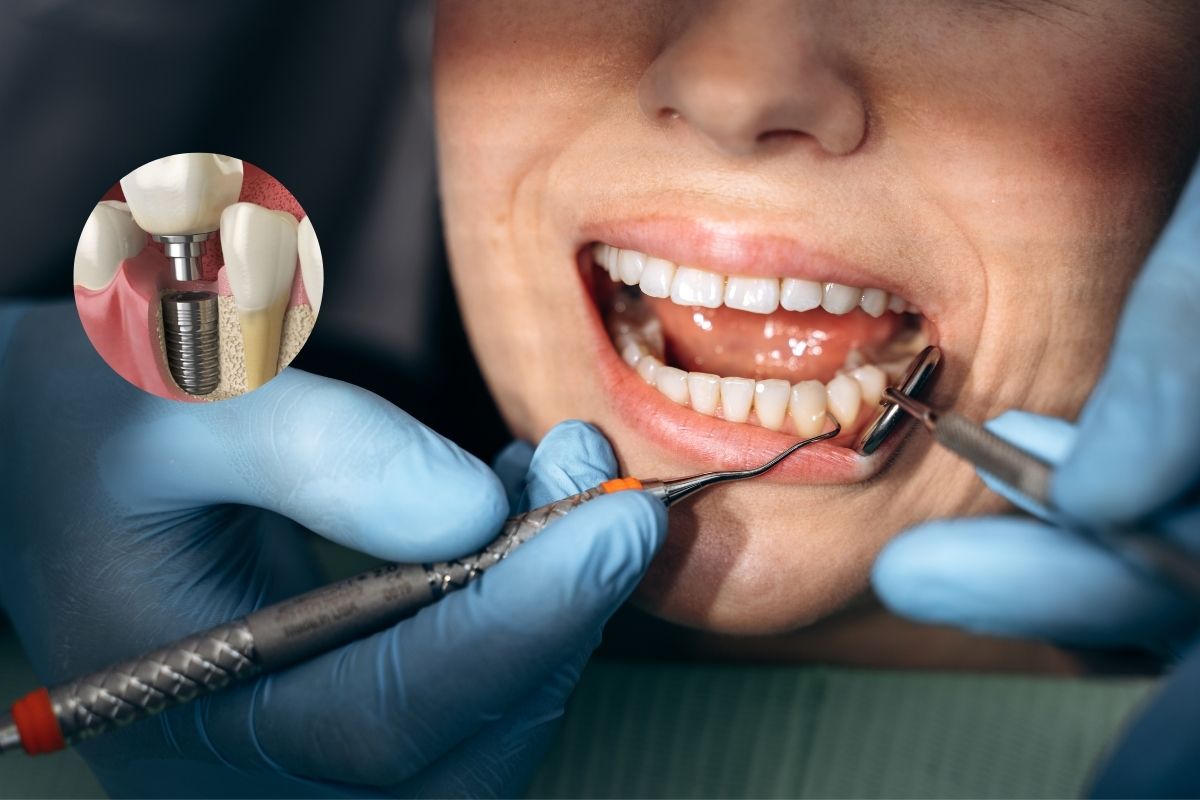
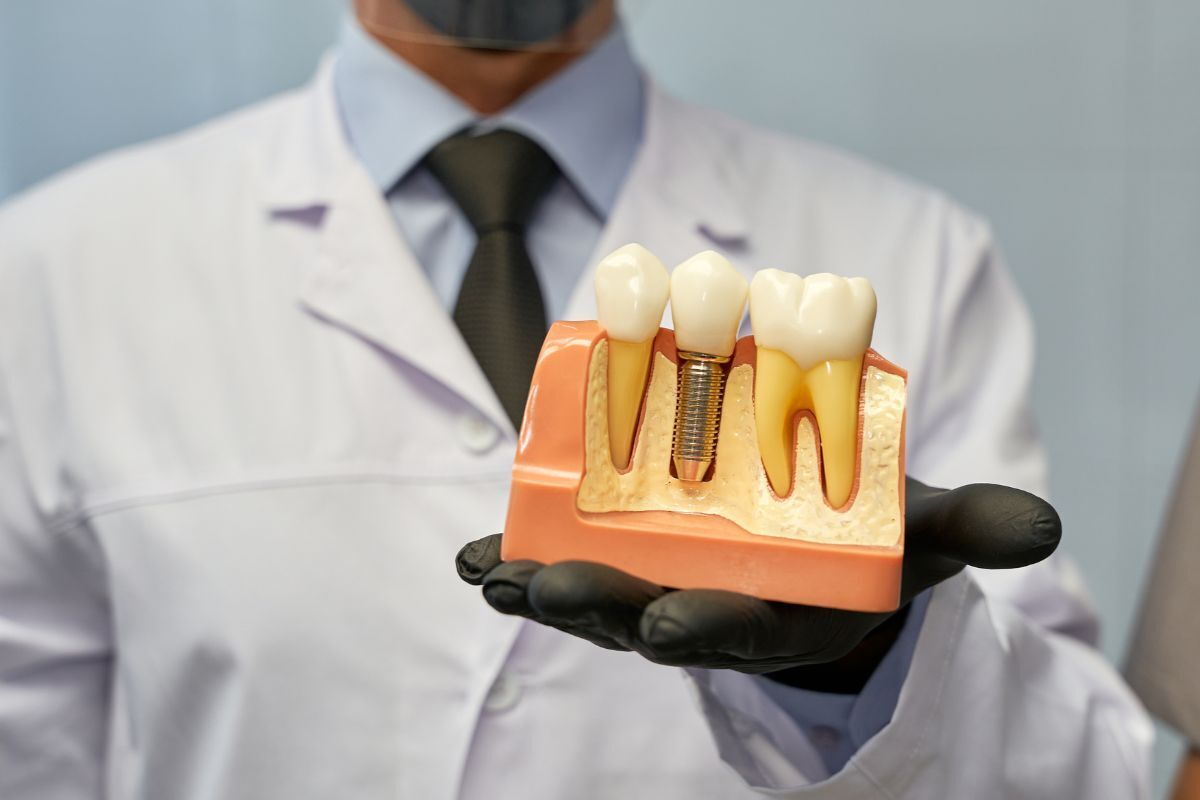
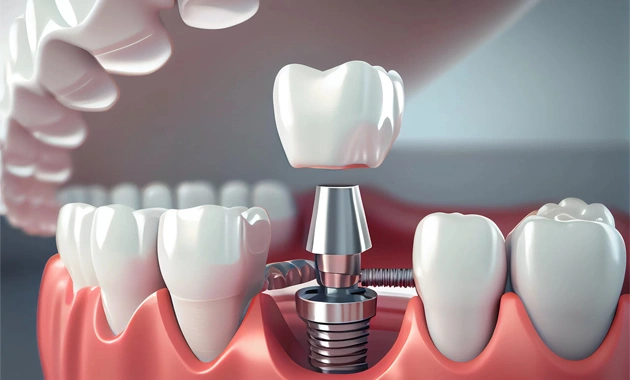
A dental implant is a small titanium post that is placed into the jawbone. It acts as an artificial root for a replacement tooth. Unlike dentures or bridges, implants are fixed in place and designed to last for many years with proper care.
For patients in and around Colorado Springs, CO, access to quality implant care has grown significantly. At Mountain Top Periodontics & Implants, the team focuses on making the process clear and comfortable from the very first visit.
Step 1: Initial Evaluation and Consultation
Before any procedure begins, your provider will do a full evaluation. This includes:
- X-rays and 3D imaging to assess bone density and structure
- A review of your medical history to check for conditions that may affect healing
- An oral exam to evaluate gum health and surrounding teeth
This step matters because not everyone is an immediate candidate. Some patients need bone grafting first, which builds up the jaw before the implant can be placed.
Step 2: Treatment Planning
Once the evaluation is complete, a custom treatment plan is created. This plan includes the number of implants needed, the timeline, and whether any preparatory procedures are required.
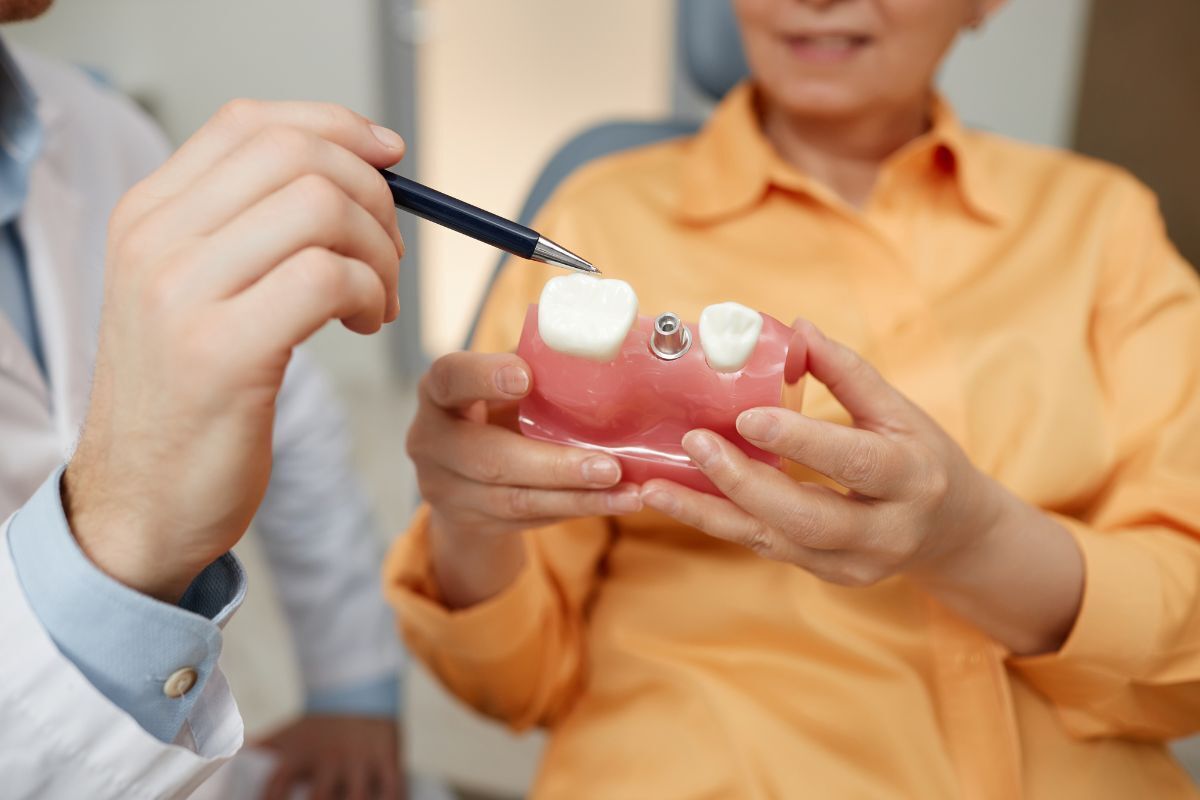
Patients exploring dental implants in Colorado Springs will find that personalized planning is a key part of the process. A plan that fits your specific anatomy leads to better outcomes and fewer surprises along the way.
Step 3: Implant Placement Surgery
This is the main procedure. Here is what happens:
- Local anesthesia is applied to numb the area. Sedation options are also available.
- A small incision is made in the gum to expose the jawbone.
- A hole is drilled into the bone at a precise location and angle.
- The titanium post is inserted into that space.
- The gum is closed around or over the implant.
The procedure typically takes one to two hours per implant. Most patients report less discomfort than they expected.
For more on what to expect during implant surgery, the American Academy of Periodontology offers a well-rounded patient overview.
Step 4: Osseointegration (Healing Phase)
After placement, the implant needs time to fuse with the jawbone. This process is called osseointegration, and it takes anywhere from three to six months.
During this time:
- Avoid hard foods near the implant site
- Keep up with oral hygiene as directed
- Attend follow-up appointments to monitor healing
This phase is critical. Rushing it increases the risk of implant failure.
The National Institute of Dental and Craniofacial Research provides solid background on how implants integrate with bone tissue.
Step 5: Abutment Placement
Once the implant has fully bonded with the bone, a small connector called an abutment is attached to the top of the post. This piece holds the final crown in place.
In some cases, the abutment is placed during the initial surgery. In others, a second minor procedure is needed. Your provider will determine which approach suits your situation.
Step 6: Crown Placement
The final step is placing the custom-made crown. This is the visible part of the tooth. It is shaped and colored to match your natural teeth as closely as possible.
Once the crown is secured, your implant is complete. You can eat, speak, and smile without worrying about it shifting or slipping.
Frequently Asked Questions
1. How long do dental implants last?
With proper care, implants can last 15 to 25 years or longer. The crown may need replacement after 10 to 15 years.
2. Does the implant procedure hurt?
Most patients feel pressure but not sharp pain during the procedure. Post-surgery soreness is manageable with over-the-counter medication.
3. Am I a good candidate for dental implants?
Good candidates have healthy gums and enough bone to support the post. A consultation with your provider will confirm eligibility.
4. How much do dental implants cost?
Costs vary based on the number of implants, location, and whether preparatory procedures are needed. Many offices offer financing options.
5. Can smokers get dental implants?
Smoking increases the risk of implant failure. Providers typically advise patients to quit or reduce smoking before and after surgery.
6. How do I care for my implant after placement?
Brush twice a day, floss daily, and schedule regular cleanings. Implants require the same care as natural teeth.
7. What happens if the implant fails?
Implant failure is rare but can happen. Signs include pain, swelling, or looseness. Early detection and treatment improve recovery chances.
Conclusion
Understanding the step-by-step nature of dental implant placement helps patients set realistic expectations and make better decisions. The process takes time, but each stage serves a clear purpose: building a stable, lasting result.
If you are ready to explore your options, schedule a consultation with a qualified periodontist or implant specialist in your area. You can also contact a local dental office like Mountain Top Periodontics & Implants in Colorado Springs, CO, to get a full evaluation and personalized plan.
The team serves patients across the region, including those specifically searching for trusted dental implants in Colorado Springs, CO. Taking that first step is the most important one.
This article is intended for informational purposes only and does not constitute medical advice. Please consult a licensed dental professional for guidance specific to your situation.