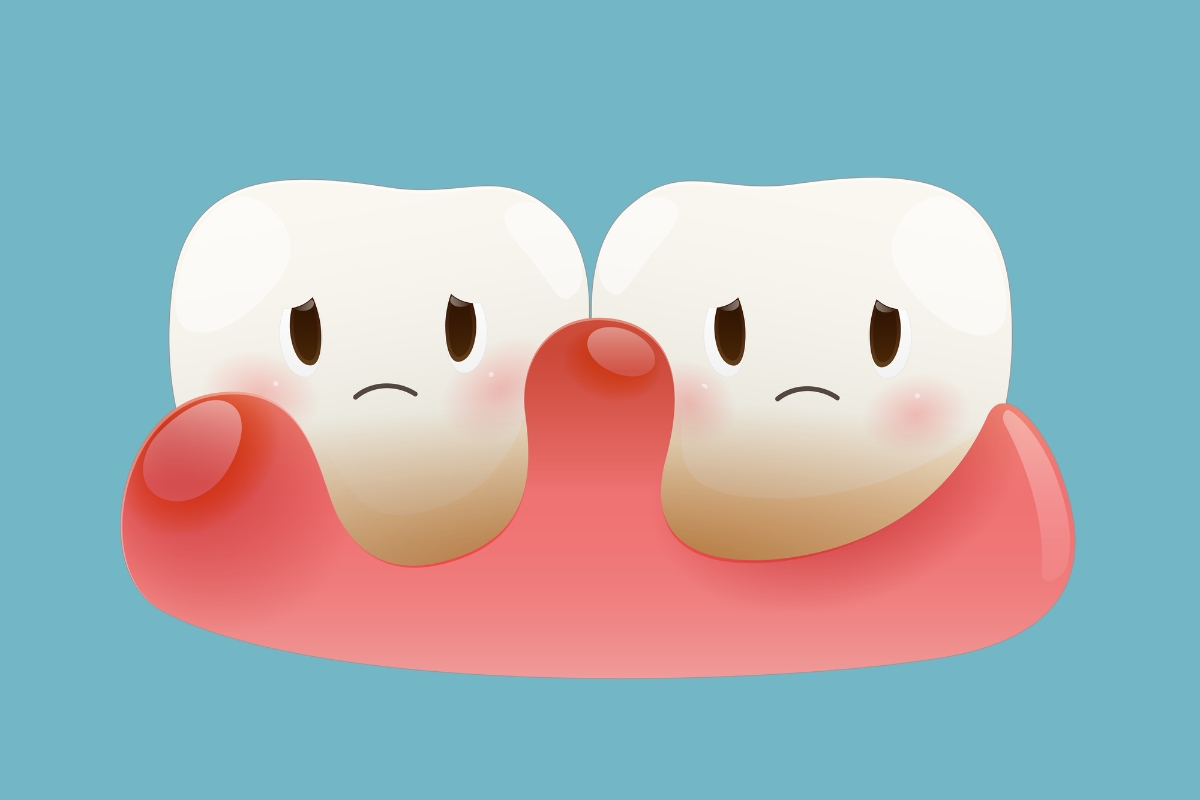
Gum disease is one of the most common oral health problems in the United States. The scary part? Most people don’t know they have it until it has already progressed. At Mountain Top Periodontics & Implants in Colorado Springs, we see this every week. Patients come in for a routine exam and learn their gums have been silently suffering for months or longer. The good news is that gum disease is largely preventable, and in many cases, it can be stopped before it causes real damage.
This guide breaks down what causes gum disease, how to stop it, and how keeping your gums healthy can save you from costly procedures down the road, including treatments related to dental implants in Colorado Springs.
What Is Gum Disease, and Why Does It Matter?
Gum disease, also called periodontal disease, is an infection of the tissues holding your teeth in place. It usually starts quietly, with a little redness or bleeding when you brush. Left untreated, it can destroy the bone supporting your teeth and lead to tooth loss.
There are two main stages:
• Gingivitis: The early stage. Gums are inflamed, red, and may bleed. This stage is fully reversible with proper care.
• Periodontitis: The advanced stage. Gums pull away from teeth, bone becomes damaged, and teeth may loosen or fall out.
Beyond your mouth, research connects gum disease to serious health issues like heart disease, diabetes, and complications during pregnancy. Protecting your gums is about more than your smile; it is about your overall health.
What Actually Causes Gum Disease?
Most cases start with plaque, a sticky layer of bacteria that builds up on your teeth. If plaque isn’t removed through daily brushing and flossing, it hardens into tartar, which only a dental professional can remove.
Other factors that raise your risk include:
• Smoking or using any tobacco products
• Hormonal changes during pregnancy or menopause
• Certain medications that reduce saliva flow
• Diabetes and other chronic health conditions
• A diet high in sugar and low in nutrients
• Genetics, as some people are more prone to gum problems
Knowing your risk level helps you take the right steps before problems develop.
7 Proven Ways to Prevent Gum Disease for Good
1. Brush the Right Way, Twice a Day
Use a soft-bristled toothbrush and fluoride toothpaste. Brush for two full minutes and angle the bristles at 45 degrees toward your gumline. The American Dental Association (ADA) confirms that brushing twice daily and flossing once a day form the core of gum disease prevention.
2. Floss Every Night Without Skipping
Flossing cleans between your teeth where your toothbrush simply cannot reach. Skipping it means leaving nearly 40% of your tooth surfaces dirty. Build the habit before bed, every night, without exception.
3. Add an Antibacterial Mouthwash
A good antibacterial rinse kills bacteria that brushing and flossing miss. It is not a replacement for brushing but a smart addition to your daily routine, especially if you are prone to gum sensitivity.
4. Stop Smoking
Tobacco is one of the strongest risk factors for gum disease. It weakens your immune system, reduces blood flow to gum tissue, and makes it harder for your mouth to heal. Quitting smoking is one of the most impactful changes you can make for your oral health.
5. Eat Foods That Support Gum Health
Reduce sugary snacks and drinks. Eat more leafy greens, dairy, and foods rich in vitamin C. These nutrients strengthen gum tissue and help your body fight infection. Staying hydrated also keeps your saliva flowing, which naturally protects your gums.
6. Don’t Skip Professional Cleanings
Even with perfect home care, tartar builds up in spots only a professional can reach. A cleaning every six months removes that buildup before it causes damage. If you are at higher risk, your dentist may recommend more frequent visits.
7. Know the Warning Signs
Catch problems early by watching for:
• Gums that bleed when you brush or floss
• Persistent bad breath that won’t go away
• Red, swollen, or tender gum tissue
• Gums that appear to pull away from your teeth
• Loose or shifting teeth
If you notice any of these signs, act quickly. Early treatment is far simpler and less expensive than treating advanced disease.
What Happens When Gum Disease Goes Untreated?
When gum disease reaches its advanced stages, it destroys the bone that anchors your teeth. This can lead to tooth loss that requires restorative care. Options like bridges, dentures, or solutions involving dental implants in Colorado Springs are all effective ways to restore function and appearance. However, prevention is always the less costly and more comfortable path.
At Mountain Top Periodontics & Implants, we work with patients who need restoration after years of untreated gum disease. We also help those who want to avoid that path entirely. The American Academy of Periodontology offers excellent resources on understanding how gum disease progresses and what to do at each stage.
A Simple Daily Routine That Works
Preventing gum disease long-term is about small habits done consistently. Here is a routine that takes under 10 minutes a day:
• Morning: Brush for 2 minutes, then rinse with antibacterial mouthwash
• After meals: Drink water or chew sugar-free gum to clear bacteria
• Evening: Floss thoroughly, then brush again before bed
• Weekly: Check your gums in the mirror for any visible changes
Ten minutes a day is a small price for a lifetime of healthy teeth and gums.
When Home Care Isn’t Enough
Sometimes gum disease develops despite good home care. That is when professional periodontal treatment makes a real difference. Treatments like scaling and root planing, also called a deep cleaning, remove built-up bacteria from below the gumline where no toothbrush can reach.
The Centers for Disease Control and Prevention (CDC) estimates that nearly half of American adults over 30 have some form of periodontal disease. Most cases are manageable, even reversible, when addressed early with the right professional support.
At Mountain Top Periodontics & Implants, we treat every stage of gum disease, from early gingivitis to severe periodontitis. Our goal is always to help you keep your natural teeth for as long as possible.
Frequently Asked Questions
Can gum disease be cured permanently?
Gingivitis, the earliest form, can be fully reversed with proper care. Advanced periodontitis can be managed and stabilized, but bone loss that has already occurred does not grow back on its own. Acting early makes all the difference.
How do I know if I have gum disease?
Watch for bleeding when you brush, bad breath that persists, red or swollen gums, visible gum recession, and loose teeth. A dentist or periodontist can confirm a diagnosis with a full exam and X-rays.
Is gum disease contagious?
The bacteria that cause gum disease can transfer through saliva, like through kissing or sharing utensils. But having those bacteria does not mean you will develop gum disease. Good oral hygiene is your best protection.
How often should I visit the dentist for prevention?
Most people do well with two cleanings per year. If you have a history of gum problems, your dentist may suggest visits every three to four months for more frequent monitoring.
Can gum disease affect my overall health?
Yes. Studies link periodontal disease to heart disease, poorly controlled diabetes, respiratory illness, and complications during pregnancy. Healthy gums are a foundation for overall health, not just oral health.
Are dental implants an option after gum disease?
Yes, but only after the gum disease has been fully treated and the mouth is stable. Our team at Mountain Top Periodontics & Implants evaluates every patient individually to decide if and when implant treatment is the right fit.
What is the difference between a regular cleaning and a deep cleaning?
A regular cleaning removes plaque and tartar from tooth surfaces and just below the gumline. A deep cleaning goes much further, removing bacteria from the roots of the teeth below the gumline. It is recommended when gum disease has already started to progress.
Take the First Step Toward Healthier Gums
Gum disease does not have to be part of your story. With the right daily habits and a trusted dental team behind you, healthy gums are absolutely within reach. Whether you are just noticing early warning signs or you want to get ahead of the problem entirely, Mountain Top Periodontics & Implants is here for you.
Do not wait for things to get worse. Schedule a consultation with our team today so we can take a clear look at your gum health together. You can also contact a local dental office in Colorado Springs to ask about your options and find the care level that fits your needs. The sooner you act, the easier it is to protect the smile you have for years to come.