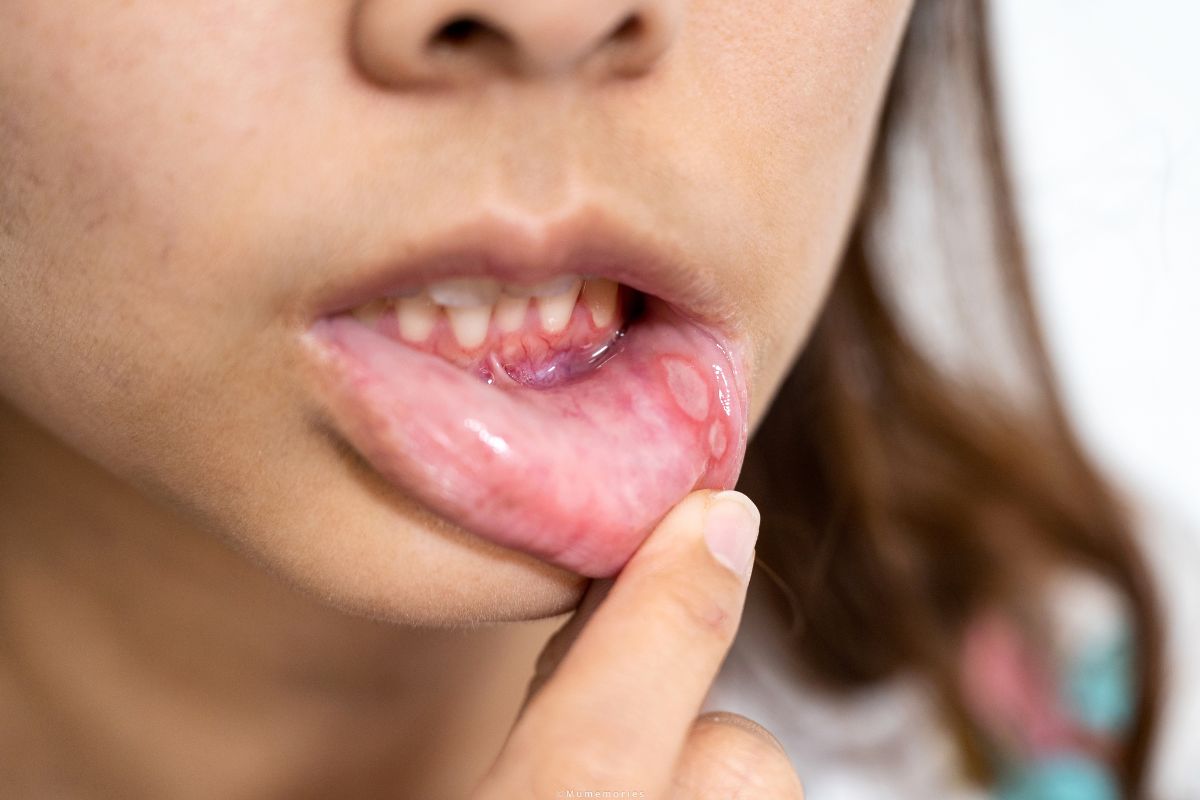
Gum disease does not always cause pain, but that does not mean it is harmless. When early gum inflammation is left untreated, it can progress from gingivitis to periodontitis, a chronic infection that can damage the gums, periodontal ligaments, and bone supporting your teeth. In advanced cases, untreated periodontal disease can contribute to loose teeth, tooth loss, and the need for more complex dental treatment.
The good news is that gum disease is treatable, and early intervention can help prevent or limit permanent damage. Gingivitis is generally reversible with appropriate professional care and good oral hygiene, while periodontitis cannot be reversed but can be managed and slowed with professional treatment.
If you have noticed bleeding gums, persistent bad breath, gum recession, swollen gums, or changes in how your teeth fit together, it is worth having your gum health evaluated rather than waiting for symptoms to become painful.
If you’re searching for gum disease treatment near me, understanding what can happen when periodontal disease is ignored can help you recognize why timely periodontal care matters.
What Happens When Gum Disease Is Not Treated?
Untreated gum disease generally progresses gradually rather than causing all of its damage at once.
The process can look like this:
- Plaque buildup
- Gingivitis
- Periodontal pockets
- Loss of attachment
- Bone loss
- Loose teeth
- Possible tooth loss
Not every person will experience every stage, and the rate of progression varies. Risk factors such as smoking, diabetes, genetics, oral hygiene, and other health conditions can influence periodontal disease.
Here are seven potential consequences of leaving gum disease untreated.
1. Gum Inflammation Can Become More Advanced
Gingivitis is usually the earliest stage of gum disease. You may notice:
- Red or swollen gums
- Bleeding when brushing or flossing
- Tender gum tissue
- Persistent bad breath
- Changes in the appearance of your gumline
At this stage, the inflammation primarily affects the gums, and gingivitis is generally reversible with professional treatment and improved oral hygiene.
The problem begins when gingivitis is ignored.
As plaque remains around the teeth, bacteria can continue to trigger inflammation. Plaque can also harden into calculus, commonly called tartar. Unlike soft plaque, tartar cannot be removed with ordinary brushing and requires professional treatment.
That creates an environment in which periodontal disease can progress beneath the gumline.
2. Periodontal Pockets Can Become Deeper
Healthy gum tissue fits closely around the teeth.
With periodontitis, inflammation and infection can cause the gum tissue to separate from the tooth, creating periodontal pockets.
These pockets provide additional space for bacteria and plaque to accumulate beneath the gumline.
As the disease progresses, pockets can become deeper and more difficult to clean with ordinary brushing and flossing. The American Academy of Periodontology explains that the destruction of gum tissue and supporting bone can cause these pockets to deepen over time.
This is one reason gum disease cannot always be managed by simply brushing more frequently once periodontitis has developed.
A periodontal evaluation can measure pocket depths and assess the health of the tissues supporting your teeth.
3. Your Gums May Begin to Recede
As periodontal disease damages the tissues supporting your teeth, the gumline may gradually move downward or pull away from the teeth.
This can make your teeth appear longer than they previously did. You may also experience:
- Increased tooth sensitivity
- Exposed tooth roots
- Greater risk of root decay
- Changes in the appearance of your smile
- Difficulty keeping exposed areas clean
Gum recession can have causes other than periodontal disease, including aggressive brushing and certain anatomical factors. However, recession accompanied by other signs of gum disease should be evaluated.
The American Academy of Periodontology lists receding gums and teeth that appear longer as warning signs of periodontal disease.
4. The Bone Supporting Your Teeth Can Be Destroyed
This is one of the most serious consequences of untreated periodontitis.
Your teeth are not held in place by the gums alone. They are supported by periodontal tissues and the alveolar bone surrounding their roots.
When periodontitis progresses, inflammation and infection can destroy this supporting bone.
The CDC identifies bone loss around teeth as a defining feature of periodontitis. Unlike gingivitis, the bone loss associated with periodontitis is irreversible, although professional treatment can slow and manage the disease.
Bone loss may not cause obvious symptoms in its early stages.
That is why someone can feel relatively comfortable while periodontal damage is occurring beneath the gumline.
Why bone loss matters
As supporting bone is lost, teeth may become less stable.
Advanced bone loss can also affect future restorative treatment, including dental implant planning, because implants require adequate bone support.
If substantial bone has already been lost, additional procedures such as bone grafting or guided tissue regeneration may sometimes be considered depending on the individual case.
The American Academy of Periodontology notes that certain periodontal surgical procedures can help regenerate lost bone and tissue in appropriately selected cases.
5. Your Teeth May Become Loose or Shift
Healthy periodontal tissues help keep your teeth stable.
As periodontal disease destroys the bone and attachment structures surrounding a tooth, that support can weaken.
You may eventually notice:
- A tooth feels loose
- Teeth appear to be shifting
- New spaces develop between teeth
- Your bite feels different
- Food becomes trapped between certain teeth
- A partial denture no longer fits the same way
Loose or separating teeth and changes in your bite are recognized warning signs of periodontal disease.
A loose tooth should not automatically be assumed to be caused by gum disease. Trauma, grinding, infection, and other dental conditions can also affect tooth stability.
However, unexplained tooth mobility deserves prompt evaluation.
6. Tooth Loss Can Become a Real Possibility
One of the most serious potential outcomes of advanced untreated periodontitis is tooth loss.
When too much supporting bone and periodontal tissue are destroyed, a tooth may no longer have enough support to remain stable.
The American Academy of Periodontology explains that progressive periodontal disease can destroy the tissue and bone supporting teeth, eventually causing teeth to become loose and potentially fall out or require removal.
The CDC also identifies periodontitis as a leading cause of tooth loss.
Losing a tooth can affect more than appearance.
Missing teeth can make it harder to:
- Chew certain foods
- Speak comfortably
- Maintain normal bite function
- Keep neighboring teeth properly positioned
Tooth loss may also lead to additional restorative treatment, depending on the location and number of missing teeth.
That is why treating periodontal disease before it reaches an advanced stage can be important for preserving your natural teeth.
7. Treatment May Become More Complex
The longer periodontal disease progresses, the more damage may need to be addressed.
Early gingivitis may respond to professional cleaning and improved daily oral hygiene.
Periodontitis may require more specialized treatment, such as:
- Scaling and root planing
- Periodontal maintenance
- Local antimicrobial treatment
- Laser-assisted periodontal therapy
- Periodontal surgery
- Bone grafting
- Guided tissue regeneration
- Soft-tissue grafting
The treatment selected depends on the severity, location, and activity of the disease.
The CDC lists scaling and root planing, medications, and surgical procedures among potential treatments for periodontitis.
Mountain Top Periodontics & Implants also provides non-surgical and advanced periodontal treatment options, including scaling and root planing, laser periodontal therapy, regenerative procedures, and periodontal plastic surgery.
The goal is not simply to make the gums look healthier. Treatment is intended to control the infection and protect the tissues and bone that support your teeth.
Can Gum Disease Affect Your Overall Health?
Your mouth is connected to the rest of your body, so periodontal disease should not be viewed as an isolated cosmetic problem.
Periodontitis involves chronic inflammation and infection of the tissues surrounding and supporting the teeth.
The CDC notes that untreated periodontitis can make some chronic conditions, including diabetes, worse.
The relationship between periodontal disease and other health conditions is complex. A connection does not necessarily mean that gum disease directly causes every condition with which it is associated.
For example, diabetes and periodontal disease can influence each other. The American Academy of Periodontology notes that people with diabetes are more likely to develop periodontal disease and may experience more severe periodontal problems.
This is another reason periodontal health deserves regular attention, particularly if you have other health conditions or risk factors.
Why Can Gum Disease Get Worse Without Hurting?
One of the biggest reasons people delay treatment is simple: gum disease may not hurt.
The American Academy of Periodontology describes gum disease as often being “silent,” meaning noticeable symptoms may not appear until the disease has reached a more advanced stage.
You may have periodontal inflammation or bone loss without experiencing significant pain.
That means waiting until your gums hurt is not a reliable way to decide whether you need periodontal care.
Instead, watch for changes such as:
- Bleeding while brushing or flossing
- Red or swollen gums
- Persistent bad breath
- Gum recession
- Pus around the gums
- Loose or shifting teeth
- Changes in your bite
- New spaces between teeth
- Increased tooth sensitivity
If you notice these changes, a periodontal evaluation can determine whether gum disease is present and how advanced it may be.
Can Untreated Gingivitis Turn Into Periodontitis?
Yes.
Gingivitis is the earliest stage of periodontal disease and is generally reversible.
If inflammation continues and the underlying plaque and calculus are not adequately controlled, gingivitis can progress to periodontitis. At that point, the disease can involve destruction of the tissues and bone supporting the teeth.
This distinction is important:
Gingivitis: inflammation of the gums without the bone loss associated with periodontitis.
Periodontitis: a more advanced disease involving destruction of the supporting tissues and bone.
Once periodontitis has caused bone loss, the lost bone does not simply grow back on its own. Treatment focuses on controlling the disease and, in selected cases, regenerating some lost tissues.
Who Is More Likely to Develop Advanced Gum Disease?
Anyone can develop gum disease, but certain factors can increase risk. These include:
Smoking and Tobacco Use
Tobacco use is a significant risk factor for periodontal disease and can contribute to disease progression.
Diabetes
Diabetes is associated with increased periodontal disease risk and can contribute to more severe disease activity.
Genetics
Some people are more susceptible to periodontal disease because of genetic factors.
Inconsistent Oral Hygiene
Plaque that remains around the teeth and gumline can trigger inflammation and contribute to periodontal disease.
Age
The risk of periodontitis increases with age, although gum disease is not an inevitable part of getting older.
Previous Periodontal Disease
People who have already been treated for periodontitis can experience recurrence, which is why periodontal maintenance is important. MT Perio’s existing content specifically addresses the possibility of recurrent disease and the need for long-term maintenance.
What Should You Do If You Think You Have Gum Disease?
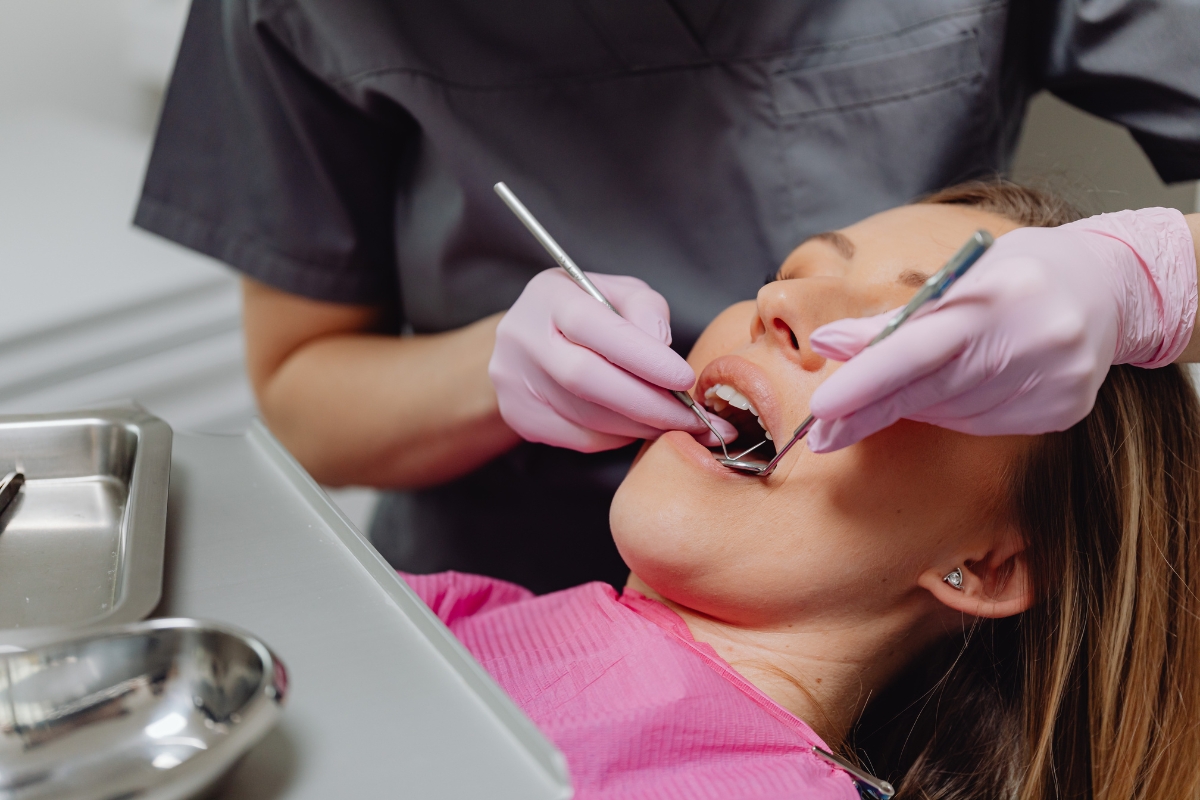
The first step is to have your gums evaluated. A periodontal evaluation may include:
- Review of your dental and medical history
- Examination of the gums
- Periodontal pocket measurements
- Assessment of gum recession
- Evaluation of tooth mobility
- Dental X-rays or other imaging when appropriate
- Assessment of bone levels
- Review of risk factors
This helps determine whether you have gingivitis, periodontitis, or another condition that may be causing your symptoms.
A periodontist specializes in the diagnosis and treatment of diseases affecting the gums, periodontal tissues, and supporting bone.
What Treatment Is Available for Gum Disease?
Treatment depends on the stage and severity of periodontal disease.
Scaling and Root Planing
Scaling and root planing, sometimes called a deep cleaning, removes plaque and calculus from tooth surfaces above and below the gumline.
The root surfaces are also cleaned and smoothed to support healing.
The CDC identifies scaling and root planing as a common non-surgical treatment for periodontitis.
Laser Periodontal Therapy
Laser-assisted periodontal treatment may be used in selected cases to address diseased tissue and bacteria beneath the gumline.
Mountain Top Periodontics & Implants offers laser periodontal treatment as one of its periodontal care options.
Periodontal Surgery
More advanced disease may require surgical treatment when non-surgical therapy alone cannot adequately address the affected areas.
Depending on the condition, procedures may target periodontal pockets, damaged bone, or other supporting tissues.
Regenerative Treatment
In appropriately selected cases, regenerative periodontal procedures can be used to encourage the body to rebuild some lost bone or tissue.
The American Academy of Periodontology describes the use of bone grafts, membranes, and tissue-stimulating proteins in certain regenerative procedures.
The appropriate treatment is determined after evaluating the individual tooth and periodontal condition.
Is It Too Late to Treat Gum Disease?
Usually, it is worth seeking treatment even if gum disease has been present for a long time.
Advanced periodontal disease may have caused permanent bone or attachment loss, but that does not mean nothing can be done.
Periodontitis is a chronic condition that cannot be reversed in the same way as gingivitis, but professional treatment can slow its progression and help manage the disease.
Depending on your condition, treatment may focus on:
- Controlling active infection
- Reducing periodontal pocket depths
- Managing inflammation
- Preserving remaining bone
- Stabilizing teeth
- Regenerating selected areas of lost tissue
- Establishing a long-term periodontal maintenance plan
The earlier the disease is identified, the more opportunity there may be to limit additional damage.
What Happens After Gum Disease Treatment?
Treating periodontal disease is not necessarily a one-time event.
Because periodontitis is chronic, patients with a history of the disease may need ongoing periodontal maintenance to reduce the risk of recurrence.
Mountain Top Periodontics & Implants notes that periodontal maintenance is an important part of long-term disease management and that maintenance intervals may be more frequent than routine dental cleanings for patients with periodontal disease.
Your long-term plan may include:
- Regular periodontal maintenance visits
- Consistent brushing and interdental cleaning
- Monitoring periodontal pockets
- Managing risk factors
- Professional evaluation when symptoms return
The objective is to keep the disease controlled and protect the teeth and supporting structures over time.
Gum Disease Treatment Near Me: When Should You See a Periodontist?
If you’re searching for gum disease treatment near me, consider scheduling a periodontal evaluation if you have persistent symptoms or have been told that you have periodontal disease.
You should especially consider an evaluation if you notice:
- Gums that bleed regularly
- Persistent bad breath
- Gum recession
- Deep periodontal pockets
- Loose or shifting teeth
- Bone loss on dental X-rays
- A history of periodontal disease
- A recommendation for scaling and root planing
- Gum problems that continue despite regular dental cleanings
Mountain Top Periodontics & Implants provides periodontal care, including treatment for gum disease and advanced periodontal conditions.
Visit our periodontal practice in Greenwood Village to have your gums evaluated and learn whether treatment is appropriate for your condition.
Frequently Asked Questions
What happens if gum disease is left untreated for years?
Long-term untreated periodontal disease can progressively damage the gums, periodontal attachment, and supporting bone. Advanced disease can cause gum recession, deep periodontal pockets, tooth mobility, and eventually tooth loss.
Can untreated gum disease cause tooth loss?
Yes. Advanced periodontitis can destroy the bone and tissues that support teeth, eventually making affected teeth loose and potentially leading to tooth loss.
Can gum disease go away on its own?
Gingivitis can often be reversed with professional care and effective oral hygiene. Periodontitis is different: once supporting bone has been lost, the condition cannot simply reverse on its own. Professional treatment can slow and manage the disease.
Can gum disease be treated before I lose a tooth?
Yes. Treatment is intended to control periodontal infection and preserve the supporting structures around your teeth whenever possible. The appropriate approach depends on how advanced the disease is and how much damage has already occurred.
Is gum disease treatment painful?
The level of discomfort depends on the type and extent of treatment. Your periodontal team can discuss anesthesia, comfort measures, and sedation options when appropriate. Mountain Top Periodontics & Implants offers several sedation options for patients who experience dental anxiety or require more extensive periodontal treatment.
Do I need a periodontist for gum disease?
Mild gingivitis may often be managed by a general dental team. More advanced, persistent, or recurring periodontal disease may require evaluation and treatment by a periodontist, who has specialized training in gum tissue and the supporting bone around teeth.
How do I find gum disease treatment near me?
Look for a dental professional who evaluates periodontal health rather than treating only the visible symptoms. If you have persistent bleeding, gum recession, deep pockets, bone loss, or loose teeth, a periodontal evaluation can help determine the severity of the disease and appropriate treatment options.
The Bottom Line
Leaving gum disease untreated can allow a manageable gum problem to progress into a condition that damages the tissues and bone supporting your teeth.
Gingivitis is generally reversible, but once periodontitis causes bone and attachment loss, that damage cannot simply be reversed. Without treatment, advanced periodontal disease can contribute to gum recession, deep pockets, bone loss, loose teeth, and tooth loss.
The important point is that you do not have to wait for severe pain before seeking care. Gum disease can progress quietly, which makes professional periodontal evaluation important when warning signs appear.
If you are experiencing bleeding gums, persistent bad breath, gum recession, loose teeth, or have been told you have bone loss, schedule a periodontal evaluation with Mountain Top Periodontics & Implants.