Losing a tooth can affect more than your smile. It can change how you eat, speak, and feel about your appearance. That is why many patients choose implant-based tooth replacement to restore function and confidence. While implant dentistry has an excellent long-term success rate, no treatment is completely immune to complications.
For patients considering or already living with dental implants in Colorado Springs, understanding the signs of implant failure is important. Early intervention often helps prevent the need for more extensive treatment and protects surrounding oral structures. Whether you recently completed a dental implant procedure or have had replacement teeth for years, recognizing potential warning signs can help you take action before problems worsen.
This guide explains seven signs that should never be ignored and when it may be time to seek professional evaluation.
Can a Dental Implant Fail?
Yes, implant complications can occur, although they are uncommon when treatment is properly planned and maintained.
Failure may happen shortly after placement or years later. Early issues often relate to healing and integration with the jawbone. Later complications may result from infection, excessive bite pressure, bone loss, or inadequate oral hygiene. Understanding the warning signs can help preserve your investment and support long-term oral health.
1. Persistent Pain That Does Not Improve
Some discomfort is normal after a dental implant treatment. Mild soreness typically improves within several days as healing progresses.
Pain that persists for weeks or develops suddenly after years of stability deserves attention. Ongoing discomfort may indicate infection, nerve irritation, excessive pressure, or problems involving the surrounding bone.
If pain interferes with eating or daily activities, schedule an evaluation promptly rather than waiting for symptoms to resolve on their own.
2. Loose or Moving Implant
A stable implant should feel similar to a natural tooth. It should not shift, wobble, or move during chewing.
What Causes Implant Mobility?
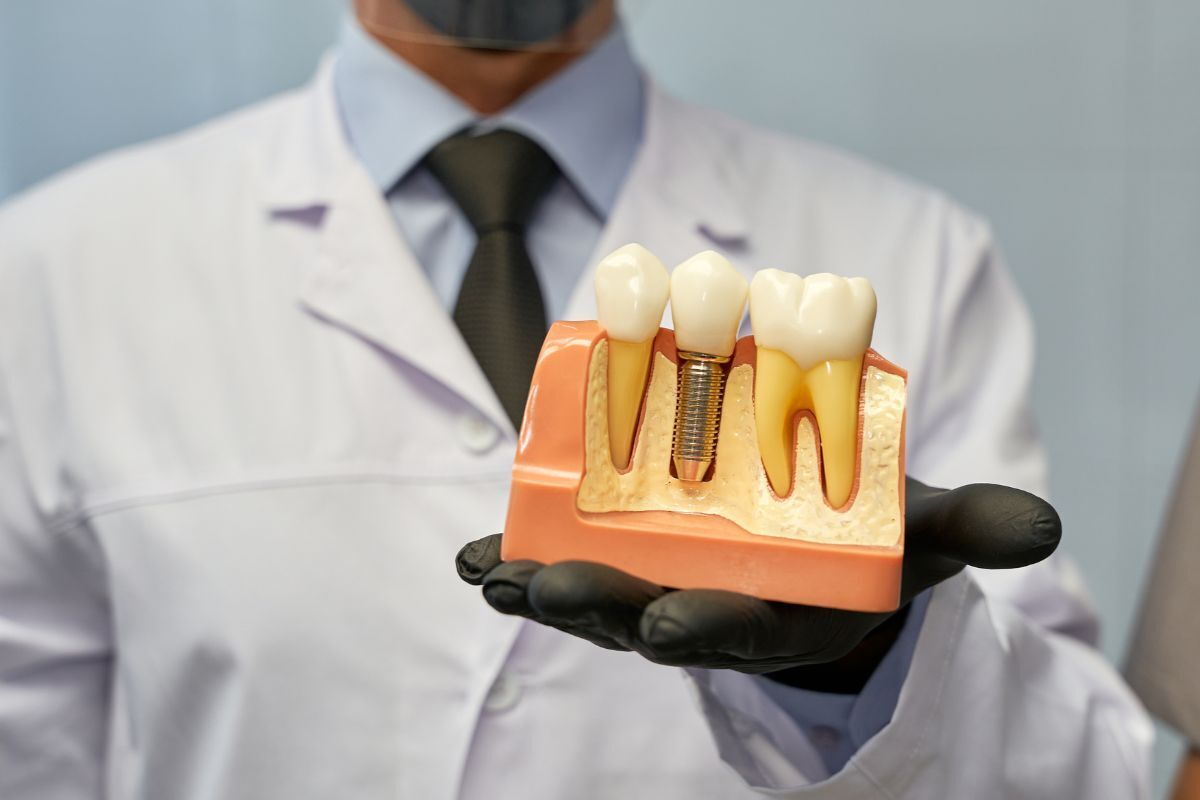
Movement may occur when the artificial tooth roots fail to integrate properly with the jawbone. Bone loss around the implant can also reduce stability over time.
Patients throughout Colorado Springs, Briargate, and nearby communities should seek immediate evaluation if they notice any mobility. Early treatment may improve the chances of preserving the restoration.
3. Swollen, Red, or Bleeding Gums Around the Implant
Healthy tissue surrounding an implant-supported restoration should appear pink and firm.
Persistent swelling, tenderness, redness, or bleeding may signal peri-implant disease. This inflammatory condition affects the tissues supporting the implant and can progress if left untreated.
Why Gum Health Matters
The gums create a protective seal around the implant. When infection develops, bacteria may damage surrounding tissue and bone. Professional care can help manage inflammation before significant damage occurs.
4. Receding Gums or Visible Metal Components
Gum recession around an implant is not normal and should be evaluated.
As tissue pulls away, portions of the implant may become visible. This change can affect appearance and may indicate underlying bone loss. Patients seeking a permanent tooth replacement often expect a natural-looking result, making early intervention particularly important.
In many cases, treatment options are available to address soft-tissue concerns and improve long-term stability.
5. Difficulty Chewing or Changes in Your Bite
Many patients choose implants because they restore strong chewing function. If biting suddenly feels uncomfortable or uneven, something may be wrong.
Changes in your bite can place excessive stress on the restoration and surrounding structures. A professional examination can determine whether adjustments are needed to protect both the implant and neighboring teeth.
This issue is frequently identified during routine maintenance visits, which is one reason ongoing follow-up care remains important.
6. Bad Taste, Bad Breath, or Drainage
Persistent bad breath that does not improve with brushing and flossing may indicate an infection.
Patients sometimes notice an unpleasant taste or drainage around the implant site. These symptoms often suggest bacterial accumulation beneath the gumline.
For patients with dental implants in Colorado Springs, prompt treatment is especially important because infections rarely improve without professional intervention. During an evaluation, clinicians can identify the source of the problem and recommend appropriate care.
7. Bone Loss Seen on X-Rays
Bone loss often develops silently. Many patients experience no symptoms during the early stages.
That is why routine examinations and diagnostic imaging play a critical role in long-term implant maintenance. X-rays allow specialists to monitor the bone supporting the implant and identify concerns before they become severe.
At Mountain Top Periodontics & Implants – Colorado Springs, Dr. Weaver carefully evaluates implant health through comprehensive examinations designed to detect issues early and preserve long-term function whenever possible.
What Increases the Risk of Implant Failure?
Several factors can increase the likelihood of complications:
- Poor oral hygiene
- Smoking or tobacco use
- Untreated gum disease
- Teeth grinding or clenching
- Certain medical conditions affecting healing
- Missed maintenance appointments
- Excessive force on the restoration
Understanding these risk factors helps patients protect their missing tooth solutions and maintain healthy supporting tissues.
When Should You Contact a Specialist?
You should schedule an evaluation if you notice:
- Persistent pain
- Implant mobility
- Gum swelling or bleeding
- Receding tissue
- Changes in your bite
- Ongoing bad breath
- Signs of infection
Many implant concerns can be addressed more effectively when detected early. Delaying treatment may allow damage to progress and reduce available treatment options.
For residents of Colorado Springs, Monument, Falcon, and surrounding communities, professional monitoring remains one of the best ways to protect replacement teeth and maintain long-term oral health.
Protecting Your Smile for Years to Come
Modern implant dentistry remains one of the most predictable and effective tooth replacement options available. However, success depends on ongoing care, regular evaluations, and prompt attention to warning signs.
If you notice any of the symptoms discussed above, do not ignore them. Whether you need an assessment of existing dental implants in Colorado Springs or want to explore solutions for failing restorations, Mountain Top Periodontics & Implants – Colorado Springs can help. Dr. Weaver and the team provide comprehensive evaluations, advanced periodontal care, and personalized treatment recommendations designed to support long-term oral health. If concerns arise, schedule an appointment to determine the best next step for your smile and restore confidence.
Frequently Asked Questions
Can a failing implant be saved?
In many cases, yes. Success depends on the cause and severity of the problem. Early intervention often provides more treatment options. If you notice swelling, discomfort, or loss of mobility, scheduling a professional evaluation as soon as possible offers the best opportunity to preserve the restoration.
How long do implants typically last?
With proper care, implants can function successfully for decades. Longevity depends on oral hygiene, routine maintenance, overall health, and bite forces. Regular checkups allow providers to monitor surrounding tissues and address concerns before they threaten long-term stability.
What happens if bone loss develops around an implant?
Bone loss can reduce support and increase the risk of implant complications. Diagnostic imaging helps identify the issue early. Treatment may involve infection control, periodontal therapy, regenerative procedures, or other interventions designed to protect remaining bone and support oral function.
Can gum disease affect an implant?
Yes. Gum disease can progress into peri-implant disease, which affects the tissues surrounding the restoration. Redness, bleeding, swelling, and tenderness are common warning signs. Professional treatment and improved home care can help manage inflammation and protect supporting structures.
How often should implant patients have follow-up visits?
Most patients benefit from regular maintenance visits every few months based on their individual needs. These appointments allow providers to evaluate tissue health, check bite function, monitor bone levels, and make adjustments that support long-term success and comfort.