Gum disease is one of those silent oral health issues that can sneak up without warning — starting with mild bleeding and swelling, and eventually threatening your teeth and bone health. Many people wonder if it’s possible to cure gum disease without a dentist, especially when symptoms seem mild or manageable.
While some home remedies and gum disease self-care tips can improve gum health, professional care from a periodontist like Mountain Top Periodontics & Implants is often necessary to fully treat the condition and prevent recurrence. Still, there’s a lot you can do at home to manage early stages and support healing.
Understanding Gum Disease and Why It Happens
Gum disease (periodontal disease) typically begins as gingivitis, an inflammation of the gums caused by bacterial plaque buildup. If left untreated, it can progress to periodontitis, where infection damages the bone and tissues supporting your teeth.
Common causes include:
- Poor oral hygiene or irregular brushing
- Smoking or tobacco use
- Hormonal changes
- Diabetes or certain medications
- Genetic predisposition
While professional gum disease treatment offers the most reliable results, understanding the cause helps you target the right home care approach.
Early Signs You Should Never Ignore
Even if you’re trying to manage gum problems at home, spotting the warning signs early is crucial. Watch for:
- Red, swollen, or tender gums
- Bleeding during brushing or flossing
- Persistent bad breath
- Gum recession or loose teeth
- A change in bite alignment
If these symptoms persist, it’s a sign your gums may need more than home care — that’s when seeing a periodontist becomes essential.
Effective Home Remedies for Gingivitis and Gum Disease Self-Care
If you’re wondering how to cure gum disease without a dentist, the truth is: you can manage early gingivitis at home with consistent oral hygiene and natural remedies. However, these methods are best for prevention and mild cases — not advanced periodontitis.
- Brush and Floss Consistently
Use a soft-bristled brush and fluoride toothpaste to gently clean teeth and gum lines twice daily. Flossing removes trapped food particles and prevents plaque buildup between teeth. - Use Antibacterial Mouthwash
Rinsing with a mouthwash that contains chlorhexidine, hydrogen peroxide, or essential oils helps kill harmful bacteria and reduce inflammation. - Try Saltwater Rinses
A simple saltwater rinse acts as a natural disinfectant and can soothe swollen gums. Mix half a teaspoon of salt in a glass of warm water and rinse twice a day. - Oil Pulling
An ancient remedy gaining modern popularity, oil pulling with coconut or sesame oil can help remove bacteria and promote healthier gums. - Eat for Gum Health
Incorporate vitamin C-rich foods like oranges and leafy greens, and avoid sugary snacks. A nutrient-rich diet supports gum healing and overall oral health. - Stay Hydrated
Dry mouth encourages bacterial growth. Drink plenty of water throughout the day to maintain saliva flow and wash away debris.
These home remedies for gingivitis can make a noticeable difference if followed regularly, especially in the early stages of gum inflammation.
When Home Remedies Aren’t Enough
While gum disease self-care can reduce symptoms, it may not remove hardened plaque (tartar) or deep bacterial pockets. That’s where professional help becomes vital.
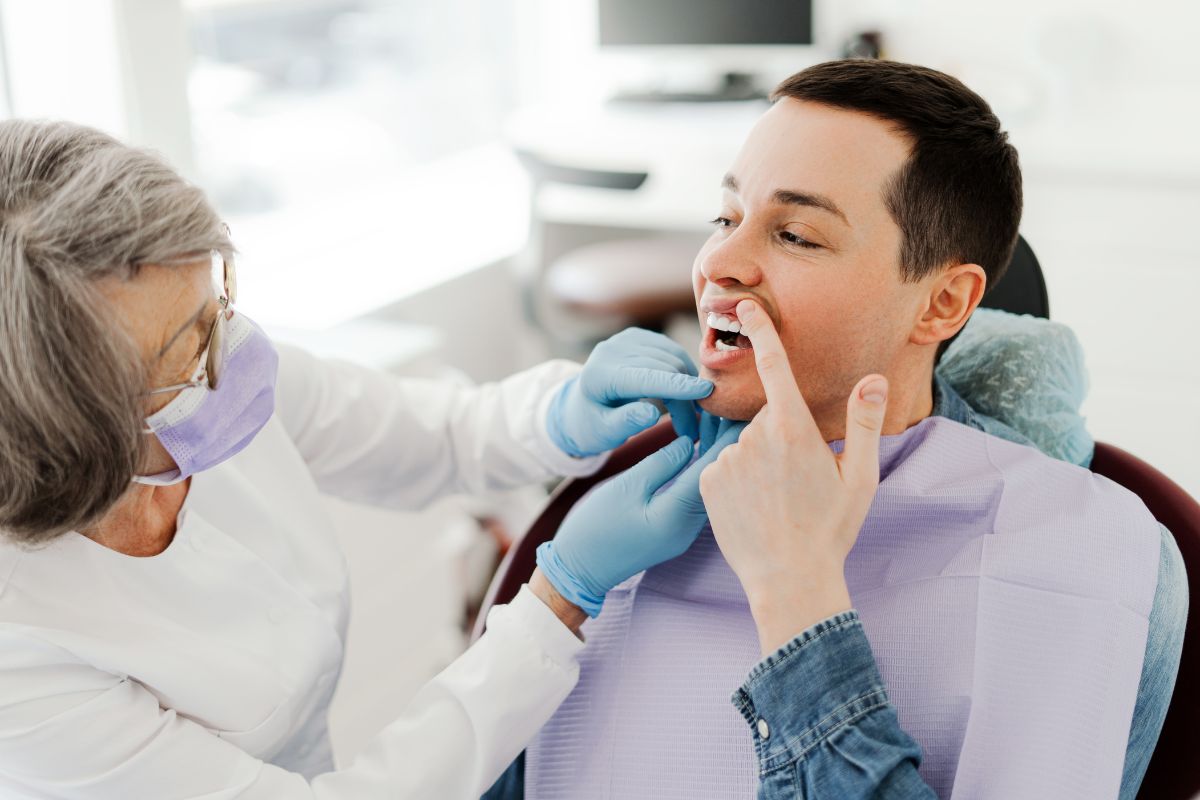
At Mountain Top Periodontics & Implants, patients receive customized gum disease treatment combining modern techniques and gentle care to stop disease progression and promote long-term oral health.
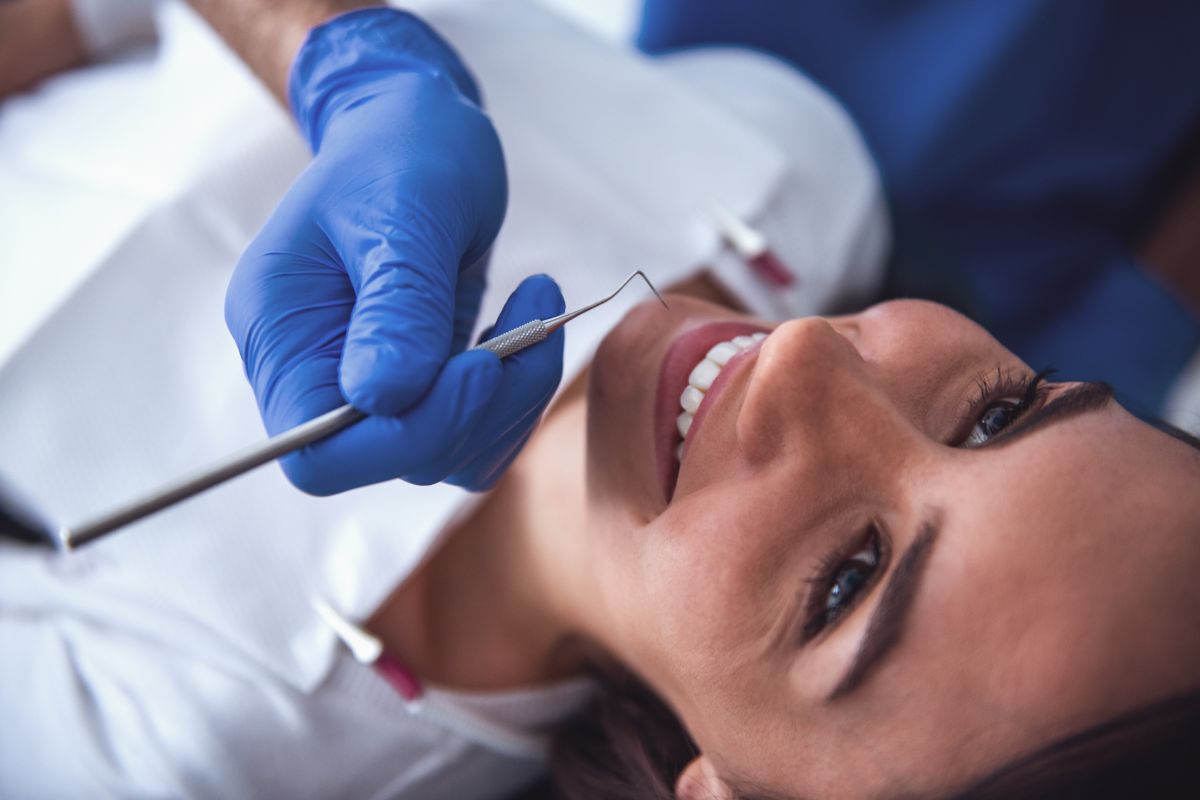
Our Colorado Springs periodontist can perform scaling and root planing — a deep-cleaning procedure to remove tartar buildup and smooth root surfaces. Advanced cases might require gum surgery or laser therapy to restore gum health.
Preventing Gum Disease for the Long Run
Once your gums start healing, maintaining healthy habits can prevent a relapse.
Here’s how you can protect your gums for life:
- Brush twice and floss once every day
- Use an electric toothbrush for better plaque removal
- Quit smoking or vaping
- Schedule routine dental cleanings
- Eat a balanced, low-sugar diet
These habits not only prevent gum problems but also contribute to overall well-being.
Frequently Asked Questions
Can you reverse gum disease at home?
You can reverse gingivitis — the earliest form of gum disease — with good oral hygiene and home remedies. However, once it progresses to periodontitis, you’ll need professional treatment.
What’s the best swollen gums treatment at home?
Saltwater rinses, cold compresses, and antibacterial mouthwashes are effective for mild swelling. Avoid harsh brushing or flossing until inflammation subsides.
How can I treat gum recession naturally?
While you can’t regrow lost gum tissue, improving your brushing technique and maintaining good oral hygiene can prevent further gingival recession. Severe cases may need grafting by a specialist.
Is oil pulling effective for gum disease?
Oil pulling can reduce bacteria and improve oral hygiene, but it’s not a cure. Use it alongside proper brushing, flossing, and dental checkups.
How often should I see a periodontist?
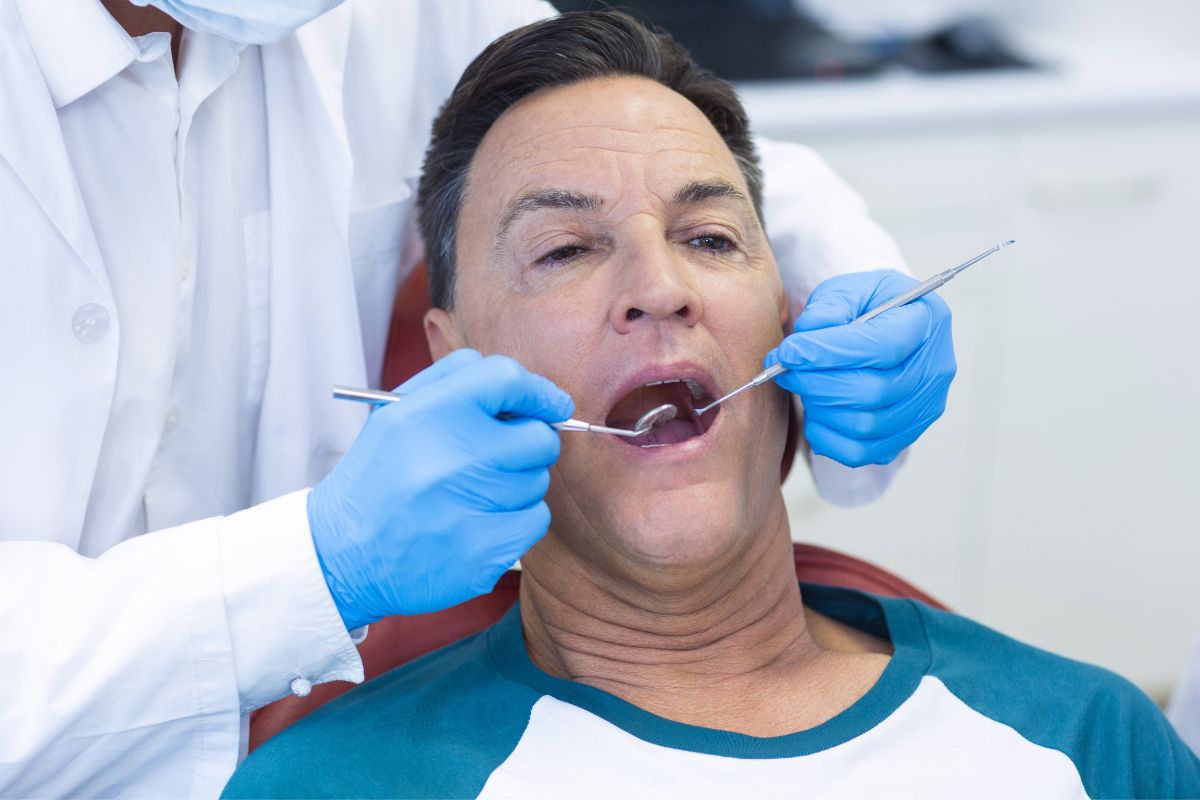
If you’re at risk for gum disease, visiting your periodontist every 3–6 months ensures early detection and professional cleanings to prevent severe infections.
Healthy Gums Start with Daily Care — and Expert Guidance
It’s possible to manage early gum disease with consistent self-care, but complete healing often requires professional intervention. A balance of at-home care and professional treatment is the key to restoring and maintaining healthy gums.
Your gums play a vital role in your oral health — treat them with the care they deserve, both at home and under the guidance of a trusted periodontist.