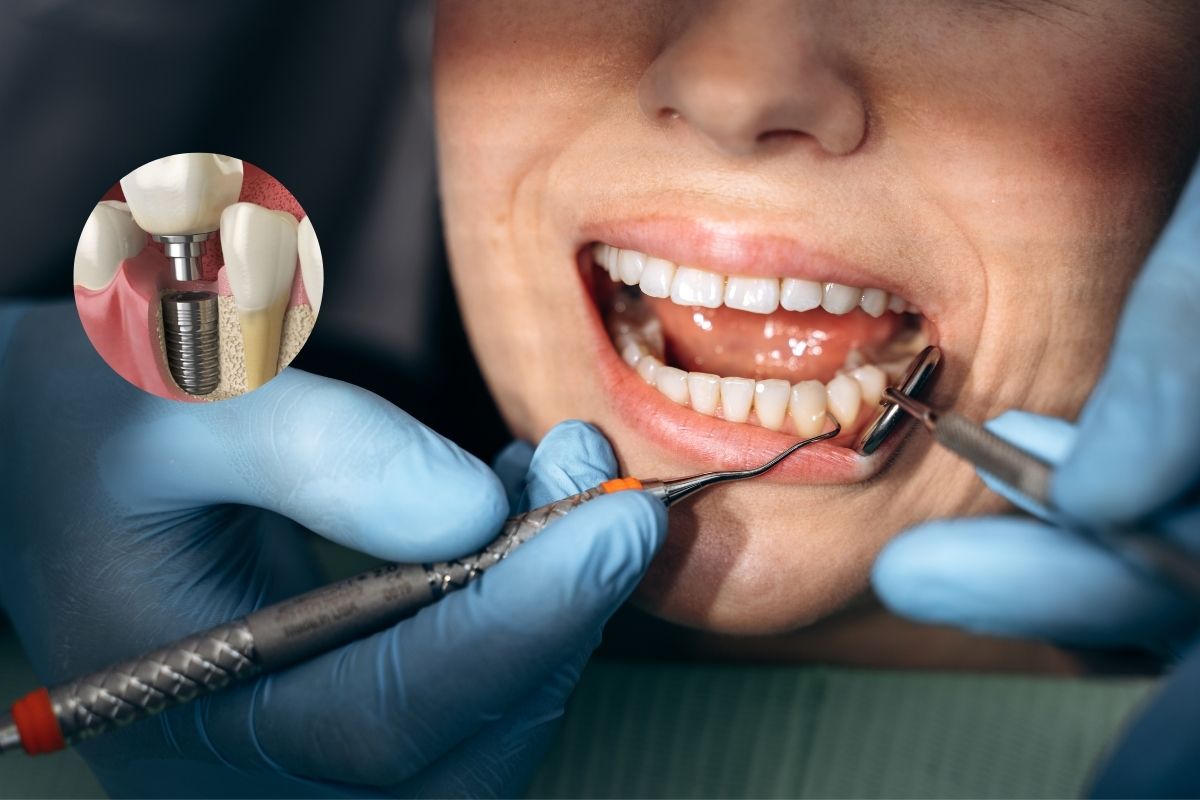
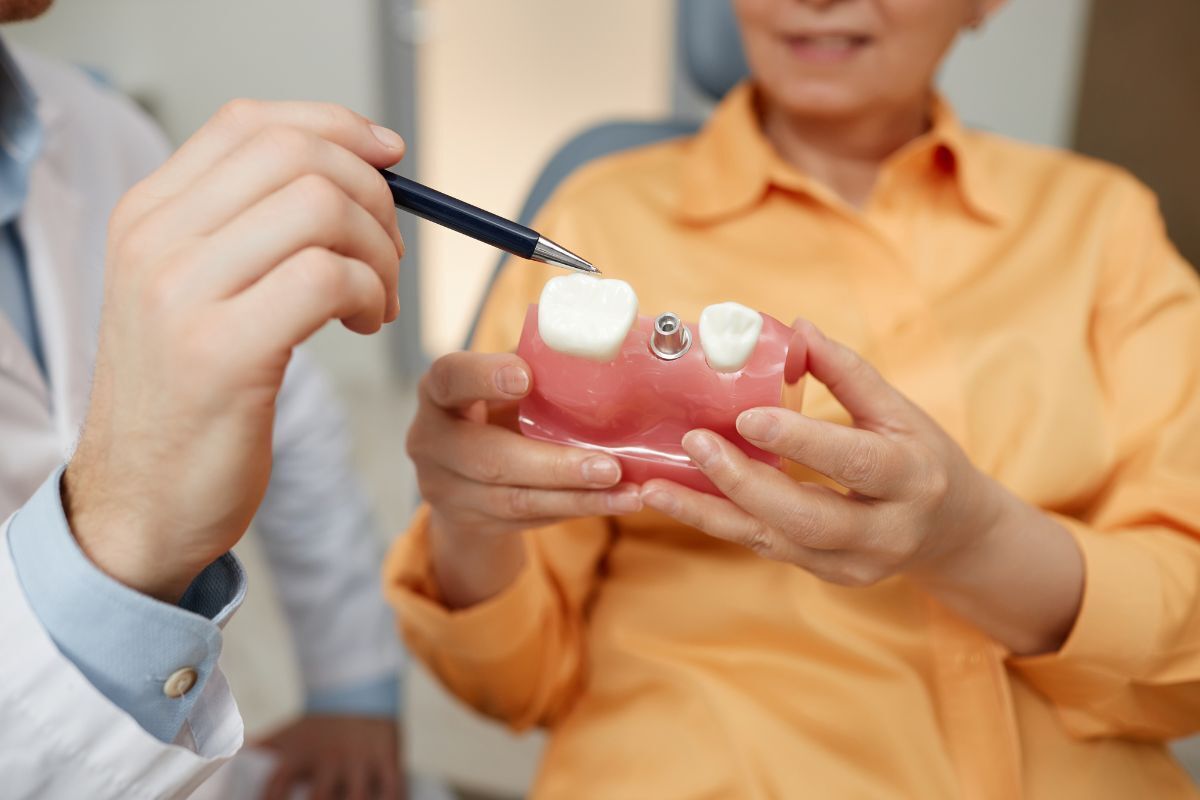
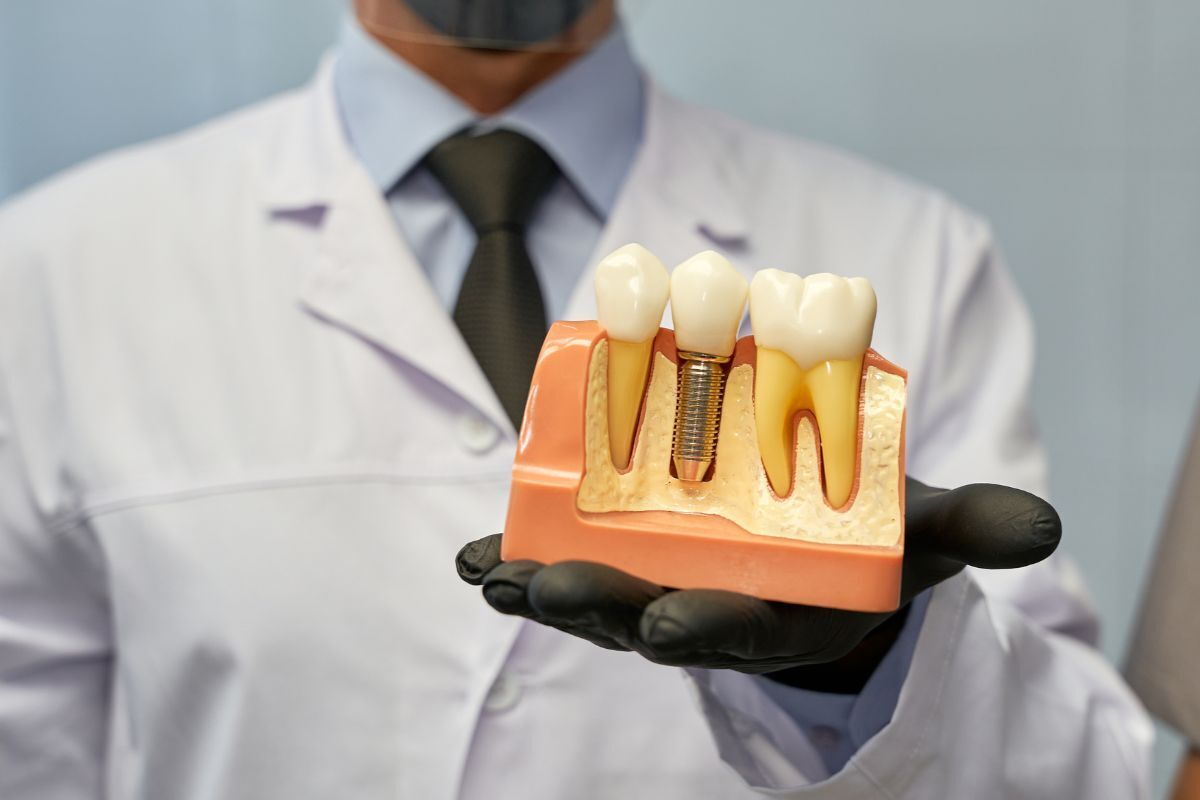
When it comes to maintaining your smile after getting dental implants, many patients have one common question: “Can you floss dental implants?” The short answer—yes, you not only can floss dental implants, but you absolutely should. Good oral hygiene doesn’t stop once your implants are placed; in fact, maintaining them is key to their long-term success. Just like your natural teeth, dental implants require daily care, and flossing is a major part of that.
If you’ve received your implants or you’re considering one, understanding the right maintenance routine is essential for preserving your investment and oral health. Let’s break down how flossing fits into your post-implant care plan.
Why Flossing Implants Is Non-Negotiable
You may assume that because dental implants aren’t real teeth, they don’t need flossing. That’s a dangerous myth. While implants are artificial, the surrounding gums and bone are very real and vulnerable to plaque and bacteria. Neglecting flossing can lead to a condition called peri-implantitis, which is inflammation around the implant and one of the most common causes of implant failure.
Here’s why flossing is crucial for implant longevity:
- Removes plaque and food debris around the implant
- Reduces the risk of gum disease, especially peri-implantitis
- Protects the supporting bone structure
- Prevents bad breath and bacterial infections
In short, flossing helps protect your entire oral environment—even the parts you can’t see.
How to Floss Around Dental Implants Properly
Flossing around implants requires slightly more attention than natural teeth, but it’s far from complicated. Here’s how to do it safely and effectively:
1. Use Implant-Safe Floss
Opt for floss specifically designed for implants or bridges. These types usually include a stiff end, a spongy middle, and a regular floss end to navigate around the implant crowns.
2. Slide—Don’t Snap
Never snap floss between your implant crowns. Instead, gently slide it under the gum line and wrap it around the implant post in a “C” shape to clean effectively.
3. Consider Floss Threaders
Floss threaders help guide floss beneath fixed implant bridges or tightly spaced crowns, making it easier to reach tricky spots.
4. Try Interdental Brushes or Water Flossers
Interdental brushes and water flossers are excellent additions to your routine. These tools reach areas traditional floss might miss and are gentle on the gums.
5. Be Consistent
Flossing around dental implants should be a daily habit, just like brushing. It doesn’t take long, and the long-term payoff is worth it.
Mistakes to Avoid When Flossing Dental Implants
Even well-intentioned flossing can go wrong if done incorrectly. Here are some common mistakes to steer clear of:
- Using sharp or metal objects near your implants
- Forcing floss between tight spaces—this can damage your gum tissue
- Skipping flossing altogether—especially after meals
- Using the wrong floss—non-implant-safe floss can fray or break under implant crowns
Working with our implant dentist in Colorado Springs can help you establish a flossing technique that suits your implant type and specific oral structure.
Signs You’re Not Flossing Enough Around Implants
How do you know if your flossing routine is missing the mark? Here are some red flags:
- Persistent bad breath
- Bleeding or swollen gums around the implant
- A feeling of discomfort or looseness in the implant area
- Visible plaque buildup between implant crowns
If you notice any of these symptoms, it’s time to revisit your hygiene habits—or consult your implant dentist for an evaluation.
Flossing as Part of Your Long-Term Implant Care
Flossing isn’t just a post-surgery routine—it’s part of your forever plan. When combined with regular brushing, mouthwash, and professional cleanings, flossing significantly reduces the risk of implant complications.
Here’s what your daily routine should ideally include:
- Brushing with a soft-bristle brush twice a day
- Flossing once a day, using implant-specific floss
- Using an antimicrobial rinse (if recommended)
- Scheduling checkups with your dentist every 6 months
Staying diligent with your routine gives your dental implants a solid chance to last a lifetime.
Your Smile Deserves the Best Care
Dental implants are one of the best advancements in modern dentistry, offering a natural-looking, long-lasting solution to missing teeth. But the work doesn’t stop after surgery. Regular maintenance—including flossing—is key to keeping your implants healthy and your smile strong.
If you’re unsure about your flossing technique or which tools are best, the team at Mountain Top Periodontics & Implants is here to help. We’ve built a reputation for excellence in dental implants in Colorado Springs, and our personalized care plans ensure that every patient knows how to care for their new smile the right way. If you have questions or need one-on-one guidance, schedule an appointment with us.
Protect your investment. Protect your health. Start flossing your implants the right way—today.