

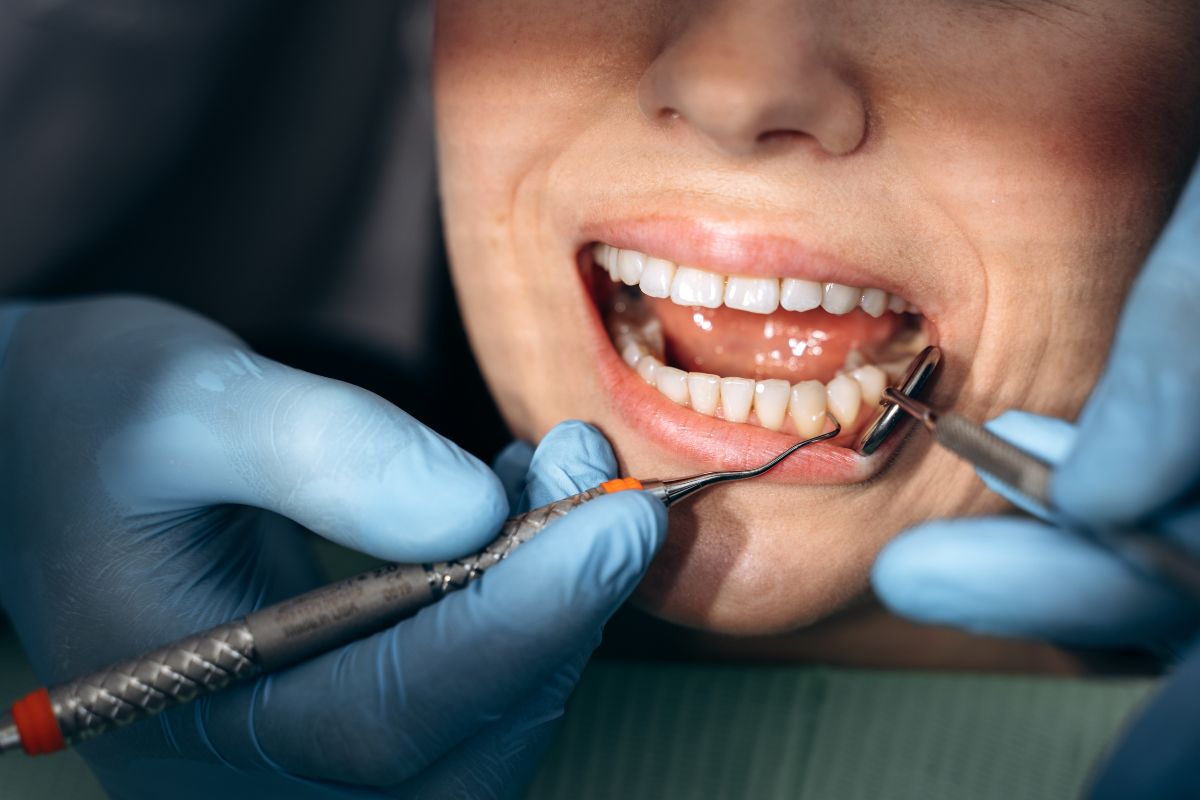
When your dentist or periodontist recommends a “deep cleaning,” it is completely natural to feel a wave of hesitation. One of the most common questions patients ask when facing gum treatment is whether scaling and root planing is painful, often confusing it with invasive procedures like root canal therapy. Modern periodontics relies on advanced local anesthetics and gentle ultrasonic technology to ensure your procedure is completely comfortable from start to finish.
At Mountain Top Periodontics & Implants – Colorado Springs, our experienced specialists, Dr. Adam Weaver and Dr. Kearny Chang, leverage state-of-the-art pain management and specialized periodontal techniques to preserve your natural teeth without discomfort. If you are experiencing gum redness or bleeding, visit our dental office today or book an appointment for a personalized assessment.
What Is Scaling and Root Planing, and How Does It Differ From a Root Canal?
This is a non-surgical deep cleaning procedure that removes hardened plaque (calculus) from beneath the gumline and smooths tooth root surfaces. Unlike a root canal, which treats infected nerve tissue inside the core of a tooth, this procedure treats the supporting gums and bone outside the tooth. This specialized periodontal therapy stops active gum infection and prevents premature tooth loss.
Many patients hear the phrase “root planing” and immediately worry they are undergoing a root canal. However, these two procedures address entirely different parts of your oral anatomy:
- Scaling: Uses precision ultrasonic and hand instruments to clear bacterial plaque and calculus (tartar) deep within periodontal pockets, areas above and below your gumline that regular toothbrushes and floss cannot reach.
- Root Planing: Carefully smooths the rough spots on your tooth roots. By smoothing these root surfaces, bacteria lose their anchors, allowing your gum tissue to heal and reattach tightly to the teeth.
In contrast, a root canal is an endodontic procedure where a dentist accesses the interior pulp chamber of a tooth to remove infected nerve tissue. Scaling and root planing remain strictly on the outer root surfaces and surrounding soft tissues.
According to data from the Centers for Disease Control and Prevention (CDC), nearly 42% of U.S. adults aged 30 and older suffer from some form of periodontal disease. Detecting periodontitis early prevents the need for more invasive surgical interventions down the road.
Is it Painful During the Procedure?
No, this procedure is not painful during the treatment session because periodontists thoroughly numb the targeted gums and teeth using local anesthetic. Patients typically feel only mild pressure or low vibration from the ultrasonic equipment rather than sharp discomfort. Advanced techniques and customized sedation options further ensure a peaceful experience.
When you undergo scaling and root planing in Colorado Springs, your comfort is the primary clinical objective. Before treatment begins, a topical numbing gel is applied to your gums, followed by a local anesthetic that completely blocks pain signals in the target quadrant.
For patients who experience dental anxiety or have heightened tooth sensitivity, advanced sedation dentistry options, including oral sedation and conscious IV sedation, are available to make the appointment entirely stress-free.
| Treatment Phase | What You Actually Feel | Clinical Purpose |
|---|---|---|
| Anesthetic Application | Slight pinch or subtle pressure | Numbs gums, roots, and surrounding tissues completely. |
| Ultrasonic Scaling | Gentle vibration and cool water rinse | Micro-vibrations loosen hardened calculus deposits effortlessly. |
| Root Planing | Light tactile pressure along root surfaces | Creates smooth root surfaces that resist future bacterial adhesion. |
| Post-Treatment Healing | Mild tenderness comparable to workout soreness | Gums begin tightening and reattaching to clean root structures. |
Because our region’s dry, high-altitude air can sometimes aggravate oral tissue dryness and increase oral sensitivity, keeping your mouth hydrated before and after care helps maintain soft tissue elasticity. Whether you spend your weekends hiking around Pikes Peak or exploring the scenic trails near Garden of the Gods, localized periodontal care is designed to keep you active without interruption.
What to Expect After Treatment: Healing and Recovery Insights
Post-procedure recovery is minimal, with most patients returning to their normal routine the same day. You may experience minor gum tenderness or slight temperature sensitivity for a few days as inflammation subsides. Following simple home care instructions and eating soft foods ensures a smooth, rapid recovery.
Understanding your recovery roadmap helps eliminate post-treatment anxiety. Here is what you can expect step-by-step during your healing phase:
- Immediate Post-Treatment (Hours 1 to 4): Numbness & Initial Rest.
Your lip and gum tissues will remain numb for several hours. Avoid hot liquids or chewing firm foods until sensation returns to prevent accidental cheek or lip biting.
- First 24 to 48 Hours: Diet Adjustments & Gentle Cleaning.
Stick to soft, nourishing foods, such as cool smoothies, yogurt, scrambled eggs, or lukewarm soups. Avoid sharp chips, popcorn, seeds, or overly spicy dishes that could irritate tender gum tissue.
- Days 3 to 7: Tissue Tightening & Inflammation Reduction.
Gum swelling decreases visibly, and bleeding during brushing stops. Continue brushing gently with a soft-bristled toothbrush and rinse with prescribed antimicrobial washes or warm saltwater.
- Follow-Up & Periodontal Maintenance: Long-Term Health Monitoring.
Re-evaluating your periodontal pocket depths ensures your gums are reattaching properly. Long-term success relies on ongoing periodontal maintenance to keep bacterial plaque at bay.
Living in an outdoor-focused community means enjoying local culinary spots after your procedure, like grabbing a warm bowl of soup in Downtown or taking a gentle walk around Cheyenne Mountain. Choosing scaling and root planing in Colorado Springs guarantees your gum care is tailored to your unique lifestyle and health needs.
How Scaling and Root Planing Preserves Your Natural Smile
This procedure preserves your natural teeth by eliminating deep-seated bacterial colonies that cause chronic inflammation and bone loss. Halting the progression of periodontitis protects the jawbone structure that holds your teeth firmly in place. This foundational treatment prevents tooth mobility, gum recession, and the need for tooth extractions.
Left untreated, chronic gum infection destroys the delicate periodontal ligament and alveolar bone surrounding your teeth. Over time, deep pockets form, creating an oxygen-deprived environment where destructive anaerobic bacteria thrive.
By removing calculus and smoothing root structures, scaling and root planing in Colorado Springs interrupts this destructive cycle. For advanced periodontal conditions, our specialists also offer specialized therapies such as LANAP Therapy (laser gum care), Osseous Surgery, and Gum Grafting to restore damaged tissues. Preserving your natural dentition protects your bite alignment, facial structure, and long-term quality of life.
Take the Next Step Toward Optimal Periodontal Health
You do not have to let dental fear or anxiety keep you from treating gum disease. Modern periodontal care makes deep cleanings efficient, comfortable, and pain-free. As every patient’s oral anatomy and periodontal depth are unique, receiving a comprehensive clinical evaluation is essential for determining your exact care plan.
Contact our practice today to schedule your personalized diagnostic evaluation and discover how our gentle, professional care can protect your smile for a lifetime.
Frequently Asked Questions (FAQs)
1. Will I need numbing for scaling and root planing?
Yes, local anesthetic is applied to numb your gums and teeth thoroughly. This ensures you experience complete comfort with zero sharp pain during the entire deep cleaning process.
2. How long does a scaling and root planing session take?
A typical appointment lasts 60 to 90 minutes per section of your mouth. Periodontists often treat one or two quadrants per visit to ensure thorough cleaning and manageable healing.
3. Can I return to work right after deep gum cleaning?
Yes, most patients return to work or daily activities immediately following their appointment. Mild numbness persists for a few hours, but it does not hinder normal daily tasks.
4. What foods should I eat after my deep cleaning?
Choose soft, cool foods like yogurt, smoothies, eggs, and lukewarm soups for the first two days. Avoid hot, spicy, crunchy, or seedy items that might irritate tender gum tissue.
5. How often do I need scaling and root planing done?
Scaling and root planing is usually a one-time therapeutic procedure to treat active periodontitis. Afterward, routine periodontal maintenance visits every three to four months prevent bacteria from returning.
6. Is scaling and root planing different from a regular cleaning?
Yes, regular cleanings polish surfaces above the gumline for preventative health. Scaling and root planing cleans deep below the gumline to treat existing bone loss and active gum disease.
7. Does scaling and root planing cause permanent tooth sensitivity?
Temporary sensitivity to hot or cold may occur for a few days as inflamed gums heal. Desensitizing toothpaste and proper home hygiene quickly resolve this mild, temporary sensation.